Common Heating Issues and How to Fix Them Fast
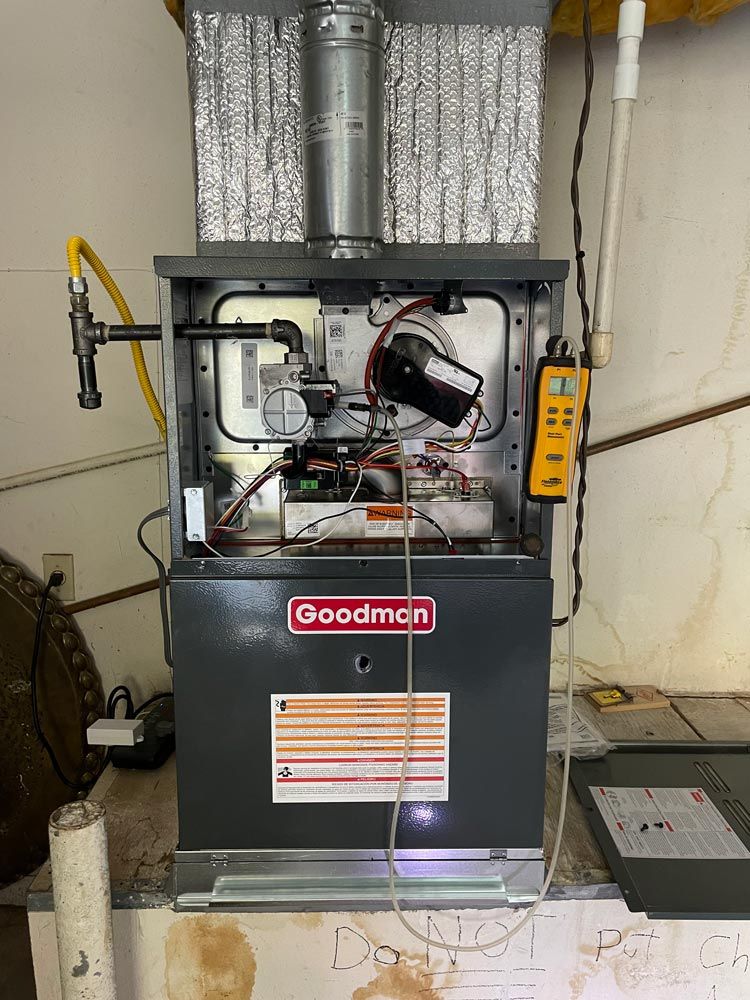
You might be shivering at home despite having the heater on, and you’re not alone. Common heating issues such as thermostat glitches, furnaces blowing cold air, or uneven warmth distribution can quickly turn your cozy haven into a chilly ordeal. The good news is that many of these problems have straightforward solutions. Imagine regaining comfort by adjusting a thermostat setting or replacing a clogged filter. But what if the issue is more complex, like a faulty pilot light or leaking ductwork? Don’t worry; there’s a roadmap for tackling these challenges swiftly and efficiently.
Thermostat Malfunctions
A malfunctioning thermostat can disrupt your heating system’s efficiency, so start by ensuring it’s set to the correct mode and temperature. Verify that the thermostat is in ‘heat’ mode and the setpoint is higher than the current room temperature. If the display is unresponsive or blank, check the power supply—replace batteries or inspect wiring connections. Calibration issues might cause inaccurate readings; consult the manufacturer’s manual to recalibrate—clean dust and debris inside and outside the unit to prevent sensor interference. If the thermostat is programmable, review its schedule settings to ensure it meets your heating needs. For persistent issues, consider upgrading to a smart thermostat, offering enhanced control and precision, ultimately improving your system’s service to others.
Furnace Blowing Cold Air
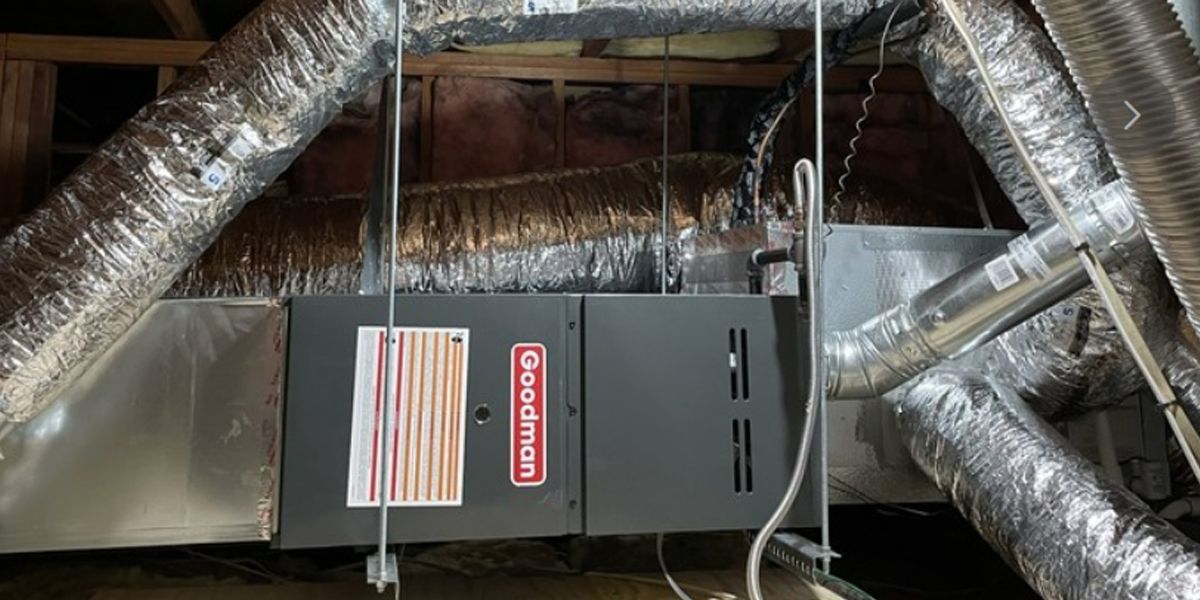
Experiencing your furnace blowing cold air often indicates issues with the pilot light, thermostat settings, or even clogged air filters, necessitating a systematic troubleshooting approach to restore warmth efficiently. Start by checking if the pilot light is out. If it is, relight it following the manufacturer’s instructions. Next, verify your thermostat is set to “heat” and the fan is set to “auto” for proper cycling. Dirty air filters can restrict airflow, causing the furnace to overheat and shut down. Replace them regularly to maintain efficiency.
To resolve these issues:
- Inspect and relight the pilot light if necessary.
- Adjust thermostat settings to ensure proper operation.
- Replace air filters to prevent restricted airflow and overheating.
These steps will help you serve others by restoring comfortable temperatures swiftly.
Uneven Heating
When rooms in your home heat unevenly, check for blocked vents and ensure your ductwork is sealed correctly to distribute warm air effectively. This simple step can significantly enhance airflow and thermal equilibrium. Next, evaluate the insulation. Poor insulation often leads to heat loss, resulting in inconsistent temperatures. Consider upgrading to high-quality insulation to maintain consistent warmth. Also, assess your thermostat’s placement. If it’s in a drafty area, it may provide inaccurate readings. Relocating it to a central location can improve temperature regulation. Don’t forget to balance your system by adjusting dampers, which control airflow to various zones. By carefully addressing these areas, you’ll guarantee a more uniform heating experience, providing comfort and service to those you care about.
Pilot Light Issues
While guaranteeing even heating in your home, don’t overlook the importance of a properly functioning pilot light, as its failure can disrupt the entire heating system. A faulty pilot light can lead to inefficient heating or complete system shutdown.
Here’s how to address common pilot light issues:
- Inspect the Thermocouple: A malfunctioning thermocouple can prevent the pilot light from staying lit. Ensure it’s properly aligned and free of debris.
- Check Gas Supply: Verify that the gas valve is open and the supply is uninterrupted. A closed valve or gas line issue can extinguish the pilot light.
- Clean the Pilot Orifice: Dust and debris can clog the orifice, blocking the gas flow. Clean it carefully to restore peak performance.
Clogged Air Filters
Clogged air filters restrict airflow, reducing your heating system’s efficiency and potentially causing overheating or failure. To guarantee this, regularly inspect your HVAC system’s filter. Locate the filter housing, typically near the return air duct. Remove the filter and hold it up to a light source. If you can’t see light through it, it’s time for a replacement. Use the manufacturer’s recommended filter type to secure peak performance. Change your filter every 1-3 months, depending on usage and air quality. Keeping the filters clean enhances airflow, maintains system efficiency, and extends equipment life. Remember, a well-maintained filter benefits your system and improves indoor air quality, serving your household’s health and comfort.
Strange Noises
After confirming your air filters are clean, pay attention to any unusual noises from your heating system, as these sounds often indicate issues like loose components, worn-out bearings, or airflow obstructions. Addressing these problems promptly guarantees operational efficiency and prevents further damage. Here’s how you can tackle these noises:
- Rattling Sounds: Check for loose panels or screws. Tighten them to prevent metal-on-metal contact.
- Squealing Noises: Inspect the blower motor bearings. Lubricate them or replace if necessary to reduce friction.
- Banging Sounds: Examine ductwork for expansion and contraction issues. Insulate ducts to minimize noise.
Radiator Troubles
Radiator troubles often stem from trapped air or sludge buildup, reducing heating efficiency and requiring systematic bleeding or flushing to restore peak performance. To bleed a radiator, start by turning off the heating system. Use a radiator key to open the bleed valve slowly, releasing trapped air until water flows steadily. Tighten the valve securely. For sludge issues, a power flush is more effective. This involves connecting a power flushing machine to your system and circulating chemicals that break down sludge and remove deposits. It’s important to check radiator balancing afterward to ensure uniform heat distribution. Addressing these issues will enhance system performance, providing warmth and comfort to those relying on you for a cozy home environment.
Boiler Pressure Problems
Boiler pressure problems often arise from leaks or faulty components, requiring immediate attention to maintain peak heating system performance. To address these issues efficiently, first check the pressure gauge. If the pressure is below 1 bar, the system may need water.
Here’s how you can troubleshoot:
- Inspect for leaks: Examine pipes and radiators for visible leaks. Fixing these promptly can prevent further pressure loss.
- Repressurize the system: Use the filling loop to adjust pressure. Before proceeding, make sure the boiler is off and cool to avoid scalding.
- Replace faulty components: If the pressure relief valve or expansion vessel is defective, replace them to restore top-notch performance.
Ductwork Leaks
While addressing boiler pressure issues is essential, ensuring your ductwork is free from leaks is equally vital for maintaining an efficient heating system. Leaky ducts can lead to up to 30% energy loss, affecting indoor comfort and increasing utility bills. Start by inspecting accessible ductwork for visible gaps or disconnected joints. Use mastic sealant or metal-backed tape to seal any leaks. Don’t use duct tape, as it degrades quickly. Check for unsealed registers and grilles, ensuring they’re tightly fitted. Consider hiring a professional to perform a duct leakage test for inaccessible areas. Balancing airflow is essential, so adjust dampers to optimize distribution. Regular maintenance keeps your system running efficiently, ensuring consistent heat delivery for your household’s needs.
Heat Pump Failures
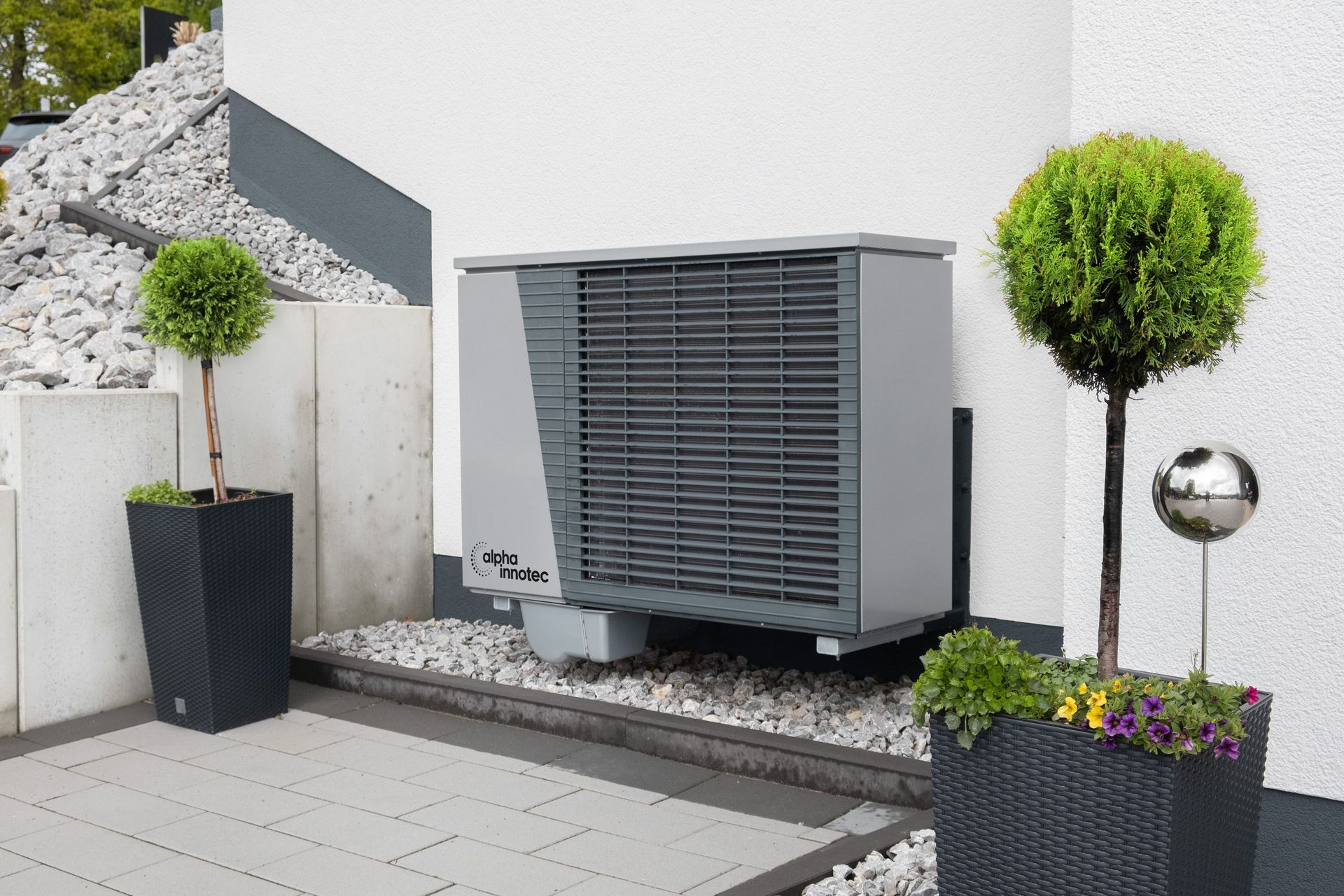
Experiencing heat pump failures can disrupt your home’s comfort, so it is crucial to diagnose issues promptly to restore efficient operation. Start by checking the thermostat settings and setting it to ‘heat’ mode. Next, inspect the air filters for clogs, as restricted airflow can hinder performance. If these steps don’t resolve the problem, consider the following:
- Refrigerant Levels: Low refrigerant can cause inefficient heating. Contact a professional to check and replenish the refrigerant.
- Outdoor Unit Obstructions: Remove debris or ice buildup around the outdoor unit to ensure proper airflow.
- Electrical Connections: Inspect and tighten any loose electrical connections, as faulty wiring can affect the heat pump’s functionality.
These proactive measures will enhance your heat pump’s reliability, ensuring your home remains a cozy haven for those you serve.
Conclusion
By swiftly tackling heating issues, you can maintain a cozy home, considering 87% of homeowners experience heating problems annually. Start by ensuring your thermostat functions correctly, and check if your furnace’s pilot light needs attention. Don’t forget to replace clogged air filters and inspect ductwork for leaks. A proactive approach not only restores comfort but also enhances system efficiency, reducing energy costs to a noteworthy extent. Remember, regular maintenance is key to avoiding these common pitfalls.
Frequently Asked Questions
How Can I Reduce My Heating Bills During the Winter Months?
To reduce heating bills, seal drafts, upgrade insulation, and install a programmable thermostat. Maintain your HVAC system regularly. Energy-efficient windows should be used, and a smart meter should be considered for monitoring usage. Prioritize comfort while saving costs.
What Are the Benefits of Upgrading to a Smart Thermostat?
Just like Prometheus bringing fire, a smart thermostat revolutionizes your home. You gain precise temperature control, optimize energy consumption, and enjoy remote access. It empowers you to serve others by reducing your carbon footprint.
How Often Should I Schedule Professional Maintenance for My Heating System?
Schedule professional maintenance for your heating system annually to guarantee peak performance and longevity. Regular inspections help identify issues early, improving efficiency and safety. Don’t wait for breakdowns; proactive service benefits your home and those you serve.
Are There Eco-Friendly Heating Options Available for Residential Homes?
You can choose eco-friendly heating options like geothermal heat pumps, solar thermal systems, or biomass boilers. These systems reduce your carbon footprint, improve energy efficiency, and offer sustainable solutions for your home’s heating needs.
What Safety Precautions Should I Take When Using Space Heaters?
Think of space heaters as small but potent forces of nature you control. Position them safely, avoid extension cords, maintain clear surroundings, and turn them off when unattended. These actions guarantee warmth without compromising safety.
You might also like
Inland Empire Comfort