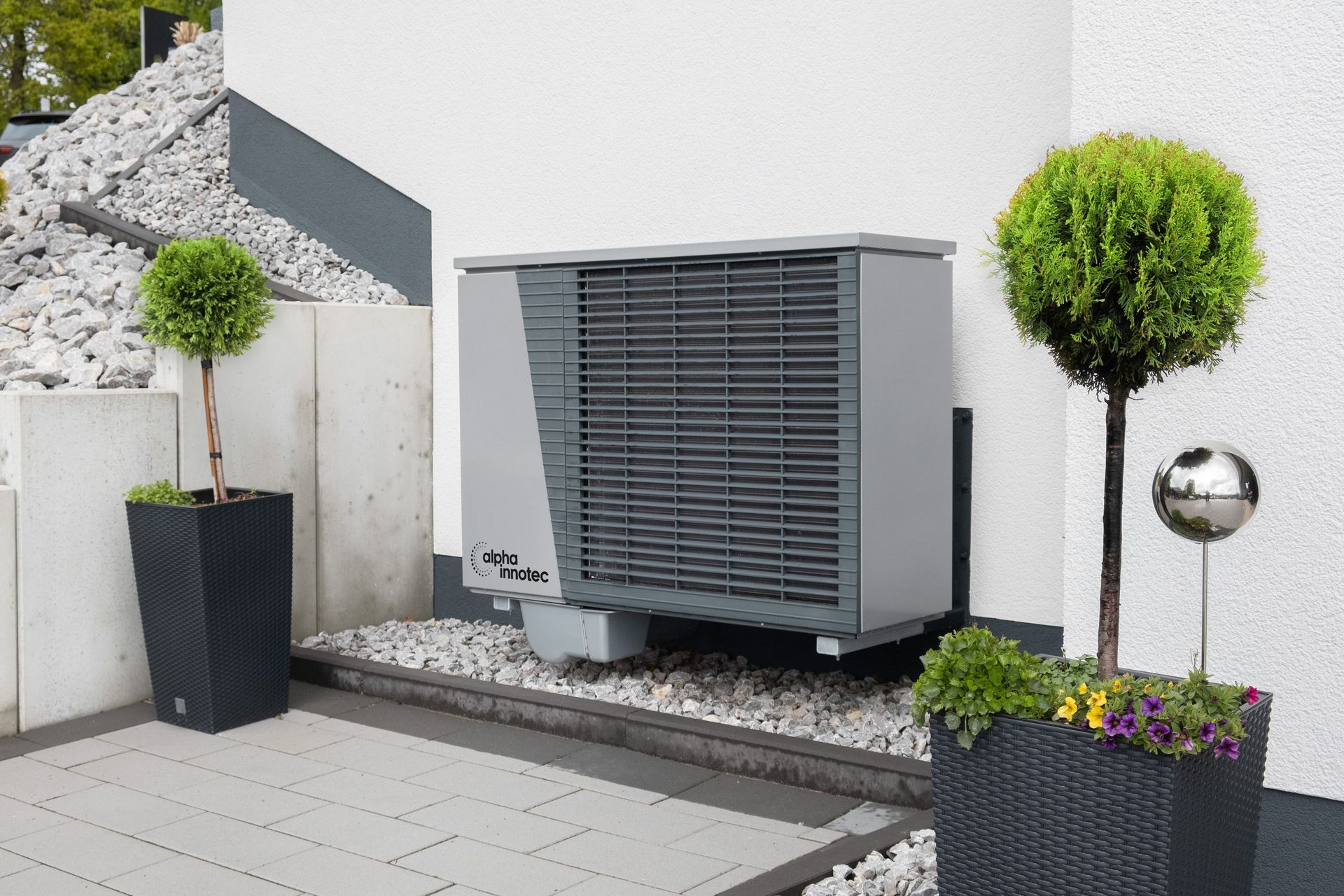
HVAC Contractor in Riverside, CA

⭐⭐⭐⭐⭐ Air Conditioning Services in: Riverside, Corona, Norco, Eastvale, Jurupa Valley, Moreno Valley

CONTACT OUR PROFESSIONAL TEAM OF AIR CONDITIONING EXPERTS

Contact Us

Air Conditioning Repair Service

RESIDENTIAL/COMMERCIAL AIR CONDITIONING & FURNACE REPAIR

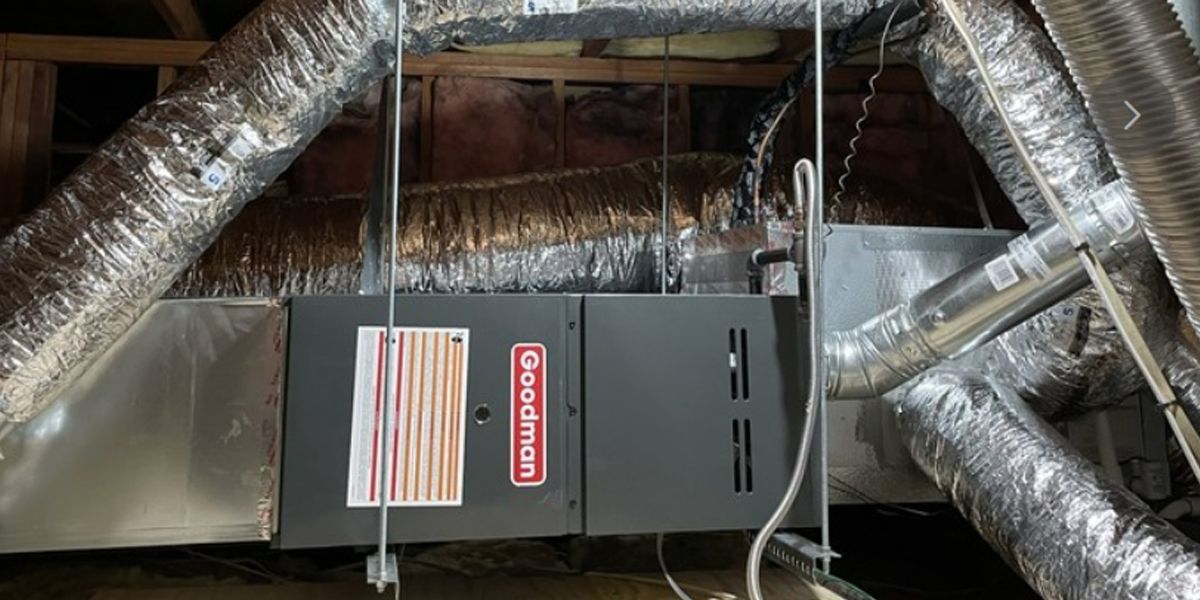
WE ARE A PROUD BRYANT AND GOODMAN DEALER

Whether you need your AC system installed or repaired, we’ve got you covered. Call Inland Empire Comfort at  951-336-1718 today!


When your home air conditioning and furnace systems need repair, we’re the Riverside HVAC contractors you should call. We serve the community with our quality heating and cooling service, helping you and your loved ones get the help they need. We hire only the best technicians within the industry, who make sure to provide the best in sales, service, and installation.


We also focus on repairs for air conditioning, heating installation, AC units, and overall systems maintenance. Our range of services guarantees that we will be able to not only have the expertise to fix your problem, but also have the resources to do it.


Air Conditioning

At Inland Empire Comfort, we offer full air conditioning repair in the Riverside area as part of our services. We check all the parts of your AC unit, from furnace filters to condenser coils to make sure we fully understand the issue in order to fix it.

AC Repair

Heating

Our goal at Inland Empire Comfort is to make sure your heating unit works the best for your home. If your furnace is making noises or not heating properly, these are signs of needed maintenance and possible repairs.

Heating Repair

WHY CHOOSE US

5 star rated company on Google and Yelp

Inland Empire comfort is proud to not only be rated 5 stars by local Riverside county residents on both Yelp and Google, but we are also completely Guaranteed by Google!


In order to get you the care you need. It can be miserable to be in a house with no AC or heating, which is why we try to shorten this uncomfortable time by offering fast response times around the clock for when you need it.


No one can plan for when their heating or AC unit will break or need repairs, so it’s helpful to have an HVAC contractor in Riverside who is only a phone call away, so you can get a fast and easy fix.
Find out more →
Inland Empire Comfort - Offer 20% off

Helping Those Who Help Others

We're proud to offer 20% off to those who serve and support our communities every day. If you’re a veteran, active service member, first responder, or healthcare technician, thank you—this one’s for you.


Call today to book your appointment and claim your discount.

CONTACT US TODAY FOR A FREE QUOTE

When you're ready to replace your HVAC system, we offer complimentary consultations.  Contact us today to schedule today and beat the Summer heat!

ABOUT US

We are also a COVID-19 aware company, having policies in place to be the safest for your home. We take care to sanitize all materials and tools we use, as well as mandate masks for all our technicians to keep a safe and healthy home environment. We want to make sure our clients are comfortable and safe during this uncertain time, and we do everything we can to make sure that happens.

What Your Neighbors Says About Us

Our Most Popular Blog Posts

By SEOCH • October 11, 2026
As cold weather approaches Riverside, recognizing the early warning signs of a struggling heating system can mean the difference between a routine repair and an emergency breakdown in the middle of January. Unusual noises, uneven temperatures, unexpected odors, and rising energy bills are all signals worth paying attention to well before the first real cold front settles over the valley. Our heating repair team in Riverside, CA , sees these warning signs every fall, and catching them early consistently saves homeowners from far more expensive repairs once winter is in full swing. Common Signs of Heating System Struggles A heating system rarely fails without warning. Unusual noises are often the first indicator that something is wrong. Banging, rattling, or squealing sounds during operation typically indicate loose components, worn parts, or airflow restrictions that warrant closer inspection. Inconsistent temperatures throughout the home are another common red flag. If some rooms stay comfortably warm while others feel noticeably cooler, the system may be struggling to distribute heat evenly, whether from ductwork issues, a failing blower, or an aging furnace that can no longer keep pace with the home's heating demand. A sudden spike in energy bills without a clear explanation often accompanies this kind of inefficiency, since a struggling system works harder to produce the same output. Unpleasant odors should never be dismissed, either. Strange smells, particularly those resembling burning or chemical odors, can indicate a serious mechanical or electrical issue. Frequent cycling, where the system turns on and off more often than it should, rounds out the list of common symptoms and often signals a developing malfunction. Routine furnace maintenance helps catch these issues while they are still minor and inexpensive to correct. How to Detect Uneven Heating in Your Home Uneven heating is worth investigating specifically, since it often points to a root cause that will only worsen over time. Noticeable temperature variations between rooms, where some areas feel markedly warmer or cooler than others, are usually the first sign that homeowners notice. Drafts are another indicator, particularly in areas where cold air seems to seep in around windows, doors, or wall penetrations, which can point to insulation gaps as much as heating system issues. Inconsistent thermostat readings that don't match what different rooms actually feel like suggest the system isn't distributing conditioned air evenly throughout the ductwork. Homeowners who find themselves constantly adjusting the thermostat just to reach a comfortable baseline temperature are often dealing with a system that has already lost some of its original efficiency. Why Is Your Heating System Making Strange Noises? Strange noises from a heating system are rarely random, and identifying the type of sound can help narrow down the underlying cause before a technician even arrives. A banging sound often points to loose components inside the unit, while rattling frequently indicates debris that has made its way into the system. A high-pitched whistle, on the other hand, typically signals an airflow restriction, often traced back to a clogged filter. Ignoring these sounds rarely resolves the underlying issue, and problems left unaddressed tend to compound over time rather than resolve on their own. Older systems will naturally run somewhat noisier as components wear, but persistent or worsening sounds are worth a professional evaluation. Regular heating maintenance catches many of these issues early, before a minor noise becomes a major repair. When to Consider Frequent Repairs Over Replacement At a certain point, ongoing repairs no longer represent the most cost-effective path forward, and replacement becomes the more sensible option. A heating system over 15 years old is generally approaching the end of its expected service life, and continuing to invest in repairs for an aging unit often costs more over time than a new installation would. A sudden increase in energy costs without a clear cause frequently signals declining efficiency that repairs alone cannot fully resolve. Homeowners calling for repairs multiple times in a single season are dealing with a reliability problem that a single fix is unlikely to solve permanently. Persistent hot and cold spots throughout the home can point to a system that is simply no longer capable of meeting the home's heating demand, regardless of how many individual repairs are made. Consulting with expert heating technicians provides an honest, informed perspective on whether replacement is the more practical choice. How to Prepare Your Heating System for Winter in Riverside, CA A few proactive steps in the fall go a long way toward avoiding heating problems once winter arrives. Checking and replacing air filters ensures proper airflow and system efficiency from the start of the season. A programmable thermostat, if not already in place, can help maintain comfortable temperatures while keeping energy costs in check. Scheduling a professional maintenance visit before the season's first cold snap allows a technician to catch potential issues while they are still minor and inexpensive to address. Inspecting ductwork for leaks and sealing any gaps improves overall heating efficiency, and testing the system before temperatures drop confirms everything is functioning correctly, well ahead of when it will be needed most.
By SEOCH • October 11, 2026
Moreno Valley homeowners know the feeling well: a Santa Ana wind event rolls through, temperatures spike, the air fills with fine desert dust, and within days the HVAC system seems to be working harder than usual just to keep up. These seasonal conditions are more than an inconvenience. They place genuine strain on cooling and heating equipment, and understanding how that strain develops helps homeowners recognize problems before they turn into full system failures. Our air conditioning repair team in Moreno Valley, CA , sees a consistent pattern of wind- and dust-related service calls every year. The underlying causes are worth understanding in detail. How Santa Ana Winds Impact HVAC Efficiency Santa Ana winds are dry, often forceful, and capable of quickly shifting local temperature and humidity levels. These conditions force HVAC systems to work harder to maintain a stable indoor temperature, since the equipment is constantly compensating for outdoor swings rather than operating under steady-state conditions. The dry air associated with these wind events also draws moisture out of the system's components over time, gradually reducing overall efficiency. A system that would otherwise cycle normally during stable weather ends up running longer and more frequently during extended wind events, which shows up directly on the monthly energy bill. Consistent professional inspections and proper filtration are the most effective ways to blunt these effects and keep the system operating within its intended performance range. The Effects of Desert Dust on HVAC Systems Fine desert dust settling into an HVAC system creates a cascade of problems that compound the longer they go unaddressed. Filters clog more quickly than they would under normal conditions, and once airflow is restricted, every other component in the system has to work harder to compensate. That added strain accelerates wear on critical parts, increasing the likelihood of component failure well before the component's expected lifespan. Poor air quality follows closely behind, since dust particles that pass through a saturated filter circulate directly through the home's living space. Homeowners in dust-heavy periods typically need to change filters far more often than the standard 90-day interval, and ignoring accumulated buildup for too long raises the risk of a sudden, unexpected system failure. Scheduled air conditioning maintenance addresses this buildup directly, cleaning components that a filter change alone cannot reach. Signs Your HVAC System Is Struggling With Wind and Dust Recognizing the early signs of wind and dust strain gives homeowners a chance to act before a minor issue becomes a major repair. Reduced airflow from the vents is usually the first noticeable symptom, often due to dust accumulation that restricts the system's ability to move air efficiently. Rattling or whistling sounds frequently follow, signaling that dust or debris is beginning to interfere with moving components inside the unit. A sudden spike in energy bills without a corresponding change in usage habits is another common indicator, suggesting the system is compensating for inefficiencies caused by dust and airflow restriction. Visible dust accumulating more quickly than usual around vents or throughout the home often indicates clogged filters that are struggling to keep pace with outdoor conditions. Catching these signs early, before a full system evaluation becomes necessary, keeps minor issues from escalating during the next wind event. Preventative Measures for HVAC Maintenance During Santa Ana Winds A handful of proactive steps goes a long way toward protecting an HVAC system during the wind-and-dust season. Inspecting and cleaning filters on a more frequent schedule during active wind periods helps prevent airflow restrictions that drive most other problems. Sealing gaps around windows and doors reduces how much dust infiltrates the home in the first place, easing the overall burden on the system. Keeping trees and shrubs trimmed back from outdoor units prevents debris from blocking vents and airflow paths, and scheduling seasonal maintenance with a professional technician catches wear and tear before it becomes a functional problem. Covering outdoor units during especially severe wind events adds an extra layer of protection against airborne debris and impact damage. For homeowners concerned about how dust and allergens affect indoor air quality, indoor air quality testing can identify specific issues that filtration alone may not fully resolve. When to Call for Professional HVAC Service Certain signs call for professional attention rather than a wait-and-see approach. Unusual noises, a system struggling to maintain a consistent temperature, or a noticeable jump in energy bills are all reasonable triggers to schedule a service visit. Poor indoor air quality, particularly a persistent presence of dust or allergens despite regular filter changes, is another clear signal that the system needs a closer look. Routine inspections following a significant Santa Ana wind event are a smart habit for Moreno Valley homeowners, since these events are precisely when dust-related strain accumulates fastest. Emergency service is available for situations that cannot wait for a scheduled appointment, ensuring homeowners are never left without cooling or heating during a weather event.
By SEOCH • September 11, 2026
As temperatures in the Santa Ana River basin begin their seasonal shift and Riverside evenings cool off, homeowners often overlook one of the most important maintenance windows of the year. Fall is the ideal time to schedule a heat pump tune-up, well before the system needs to carry the full weight of winter heating demand. Catching small issues now, while the weather is still mild, prevents them from becoming full breakdowns once cold nights settle in. Our heat pump services in Riverside, CA , are built around exactly this kind of proactive care, giving homeowners a clear picture of their system's condition before it matters most. Why Fall Is Ideal for a Heat Pump Tune-Up As the season shifts and temperatures begin to drop, many homeowners overlook the importance of preparing their heat pump for the months ahead. Scheduling a tune-up in the fall allows a technician to address developing issues before the cold sets in, rather than discovering a problem during a January cold front when service demand is highest. Fall's milder weather also makes maintenance work easier and more thorough. Technicians can access outdoor components, test system performance under moderate conditions, and complete diagnostic work without the pressure of an active heating emergency. Scheduling early avoids the seasonal rush that comes with the first real cold snap, when every HVAC company in the Inland Empire sees a spike in emergency calls. Getting ahead of that curve means homeowners get a full inspection on their own schedule rather than waiting in line during peak season. How a Tune-Up Enhances Efficiency and Longevity A heat pump tune-up serves as a comprehensive checkup of the entire system, and its value extends well beyond simply confirming the unit turns on. During a proper tune-up, a technician cleans critical components, checks refrigerant levels, and inspects electrical connections, all of which directly affect the system's efficiency. A heat pump operating at optimal efficiency uses less energy to deliver the same heating output, resulting in lower monthly utility bills. Just as important, addressing minor wear and tear before it compounds reduces strain on the compressor and other core components, extending the system's usable lifespan and reducing the likelihood of an unexpected failure mid-winter. What to Expect During a Heat Pump Tune-Up A thorough tune-up follows a consistent process designed to catch issues before they affect performance. A technician begins by checking refrigerant levels and inspecting the coils for dirt, corrosion, or physical damage, since a compromised coil directly limits heat transfer efficiency. Filters are cleaned or replaced to restore proper airflow, and electrical connections are examined and tested, along with the thermostat, to confirm the system responds accurately to temperature settings. Ductwork inspection is also part of a complete visit, since leaks or blockages in the duct system can undermine even a perfectly functioning heat pump. Once the inspection is complete, the homeowner receives a detailed report covering the findings and any recommended repairs or improvements, giving a clear basis for deciding what, if anything, needs further attention. The Cost-Effectiveness of Regular Maintenance Regular heat pump maintenance is as much a financial decision as a comfort one. A well-maintained system operates more efficiently, reducing strain on its components and extending its service life, which translates directly into fewer costly repairs down the road. Proactive maintenance also allows minor issues to be caught and corrected before they escalate into major failures. A refrigerant leak identified during a routine tune-up is a straightforward repair. The same leak left unaddressed for months can lead to compressor damage that costs many times more to fix. Investing in scheduled maintenance is a hedge against the far greater expense of emergency repairs and premature system replacement, and our heating maintenance service is designed to catch exactly these developing issues. Signs Your Heat Pump Needs Immediate Attention While fall maintenance is the ideal proactive step, some warning signs indicate a system needs attention right away rather than waiting for a scheduled visit. Grinding or hissing noises, a system that fails to heat or cool properly, or a sudden and unexplained spike in energy bills are all signals that should not be ignored. Unusual smells coming from the unit or a system that cycles on and off more frequently than normal can also indicate developing problems that warrant a closer look. These symptoms often indicate issues that will only worsen with continued use, and addressing them promptly typically costs less than waiting until the system fails.