Signs Your Heating System Is Struggling Before Cold Weather Arrives in Riverside, CA
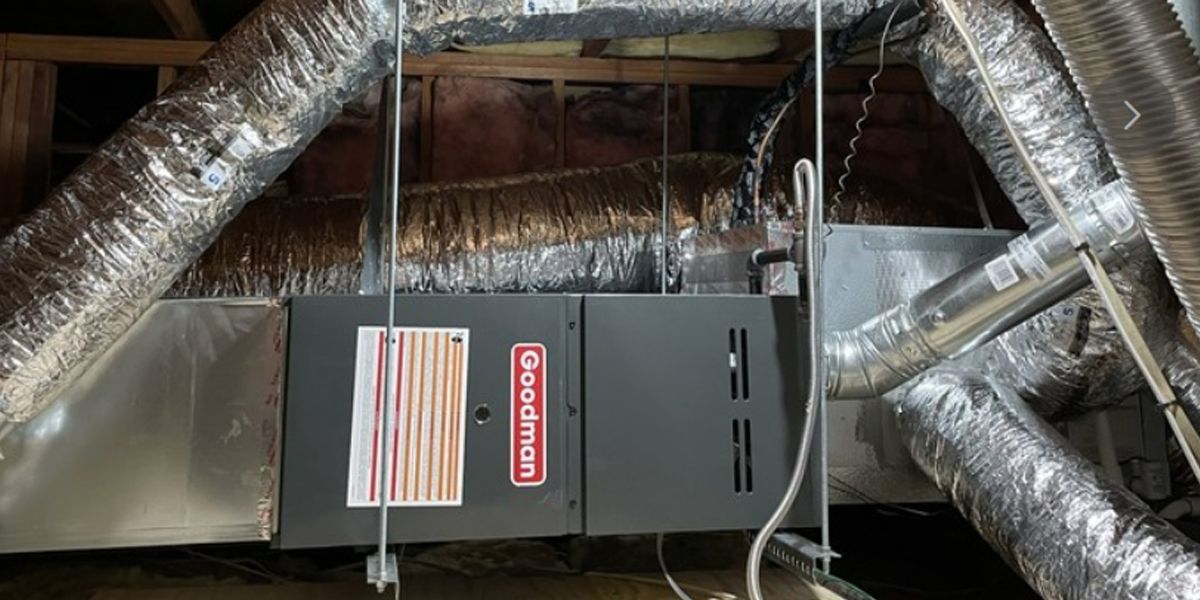
As cold weather approaches Riverside, recognizing the early warning signs of a struggling heating system can mean the difference between a routine repair and an emergency breakdown in the middle of January. Unusual noises, uneven temperatures, unexpected odors, and rising energy bills are all signals worth paying attention to well before the first real cold front settles over the valley.
Our heating repair team in Riverside, CA, sees these warning signs every fall, and catching them early consistently saves homeowners from far more expensive repairs once winter is in full swing.
Common Signs of Heating System Struggles
A heating system rarely fails without warning. Unusual noises are often the first indicator that something is wrong. Banging, rattling, or squealing sounds during operation typically indicate loose components, worn parts, or airflow restrictions that warrant closer inspection.
Inconsistent temperatures throughout the home are another common red flag. If some rooms stay comfortably warm while others feel noticeably cooler, the system may be struggling to distribute heat evenly, whether from ductwork issues, a failing blower, or an aging furnace that can no longer keep pace with the home's heating demand. A sudden spike in energy bills without a clear explanation often accompanies this kind of inefficiency, since a struggling system works harder to produce the same output.
Unpleasant odors should never be dismissed, either. Strange smells, particularly those resembling burning or chemical odors, can indicate a serious mechanical or electrical issue. Frequent cycling, where the system turns on and off more often than it should, rounds out the list of common symptoms and often signals a developing malfunction. Routine furnace maintenance helps catch these issues while they are still minor and inexpensive to correct.
How to Detect Uneven Heating in Your Home
Uneven heating is worth investigating specifically, since it often points to a root cause that will only worsen over time. Noticeable temperature variations between rooms, where some areas feel markedly warmer or cooler than others, are usually the first sign that homeowners notice.
Drafts are another indicator, particularly in areas where cold air seems to seep in around windows, doors, or wall penetrations, which can point to insulation gaps as much as heating system issues. Inconsistent thermostat readings that don't match what different rooms actually feel like suggest the system isn't distributing conditioned air evenly throughout the ductwork. Homeowners who find themselves constantly adjusting the thermostat just to reach a comfortable baseline temperature are often dealing with a system that has already lost some of its original efficiency.
Why Is Your Heating System Making Strange Noises?
Strange noises from a heating system are rarely random, and identifying the type of sound can help narrow down the underlying cause before a technician even arrives. A banging sound often points to loose components inside the unit, while rattling frequently indicates debris that has made its way into the system. A high-pitched whistle, on the other hand, typically signals an airflow restriction, often traced back to a clogged filter.
Ignoring these sounds rarely resolves the underlying issue, and problems left unaddressed tend to compound over time rather than resolve on their own. Older systems will naturally run somewhat noisier as components wear, but persistent or worsening sounds are worth a professional evaluation. Regular heating maintenance catches many of these issues early, before a minor noise becomes a major repair.
When to Consider Frequent Repairs Over Replacement
At a certain point, ongoing repairs no longer represent the most cost-effective path forward, and replacement becomes the more sensible option. A heating system over 15 years old is generally approaching the end of its expected service life, and continuing to invest in repairs for an aging unit often costs more over time than a new installation would.
A sudden increase in energy costs without a clear cause frequently signals declining efficiency that repairs alone cannot fully resolve. Homeowners calling for repairs multiple times in a single season are dealing with a reliability problem that a single fix is unlikely to solve permanently. Persistent hot and cold spots throughout the home can point to a system that is simply no longer capable of meeting the home's heating demand, regardless of how many individual repairs are made. Consulting with expert heating technicians provides an honest, informed perspective on whether replacement is the more practical choice.
How to Prepare Your Heating System for Winter in Riverside, CA
A few proactive steps in the fall go a long way toward avoiding heating problems once winter arrives. Checking and replacing air filters ensures proper airflow and system efficiency from the start of the season. A programmable thermostat, if not already in place, can help maintain comfortable temperatures while keeping energy costs in check.
Scheduling a professional maintenance visit before the season's first cold snap allows a technician to catch potential issues while they are still minor and inexpensive to address. Inspecting ductwork for leaks and sealing any gaps improves overall heating efficiency, and testing the system before temperatures drop confirms everything is functioning correctly, well ahead of when it will be needed most.
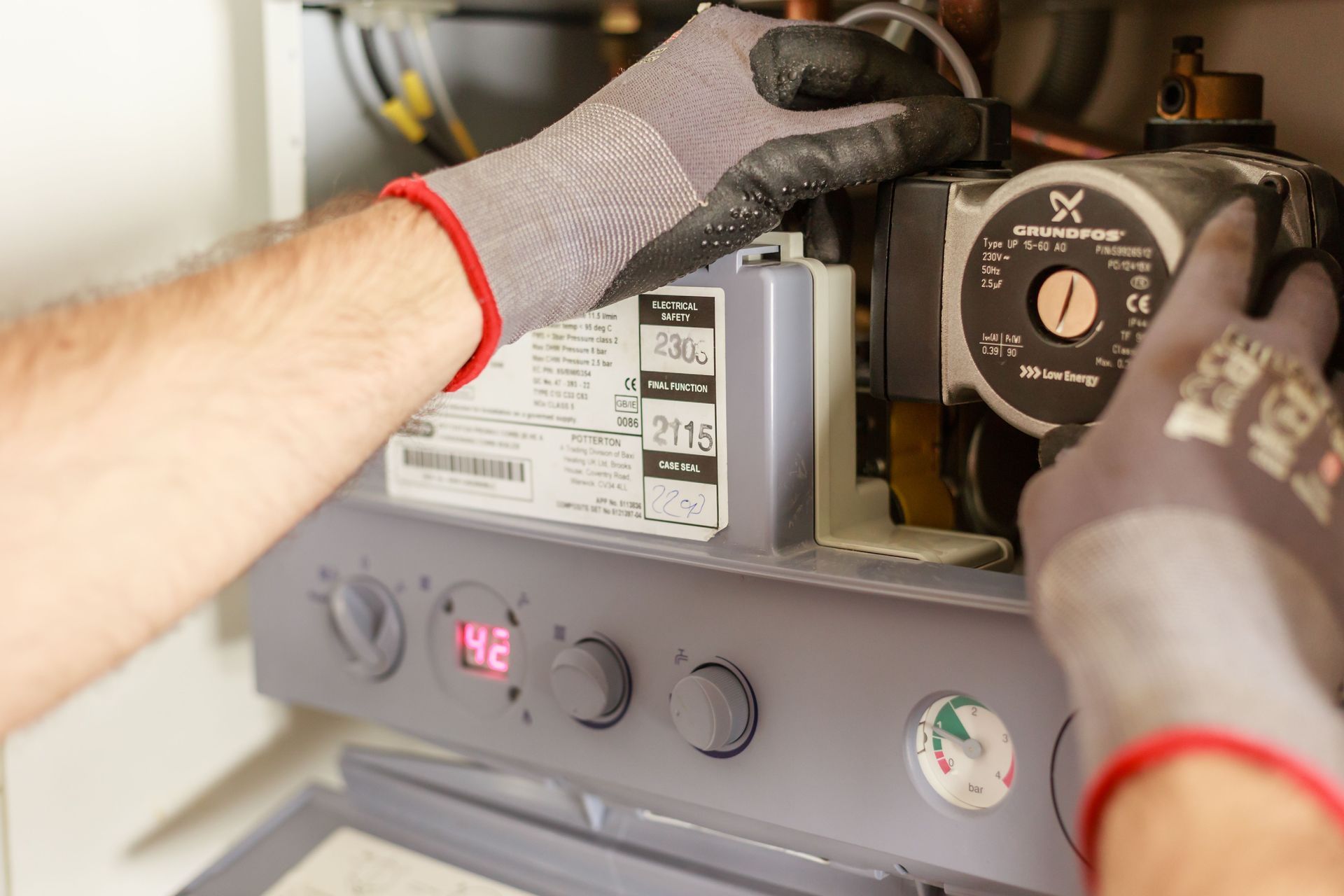
Inland Empire Comfort Keeps Riverside Warm
Recognizing the early signs of a struggling heating system gives Riverside homeowners the chance to address problems on their own schedule rather than in the middle of an emergency. Inland Empire Comfort brings the experience and diagnostic precision needed to catch these issues early and keep your home comfortable through every cold front the season brings.
If you've noticed any of these warning signs, contact our team today to schedule an inspection before winter settles in.
You might also like
Inland Empire Comfort