Here's Why Fall Is Prime Time for a Heat Pump Tune-Up in Riverside, CA
Inland Empire Comfort
September 11, 2026
How Often Should You Service Your Air Conditioner

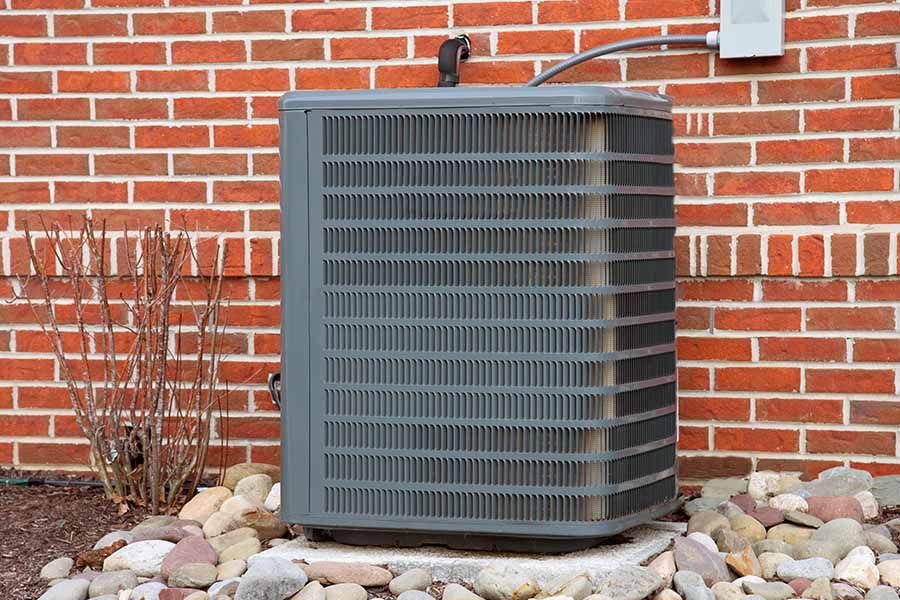
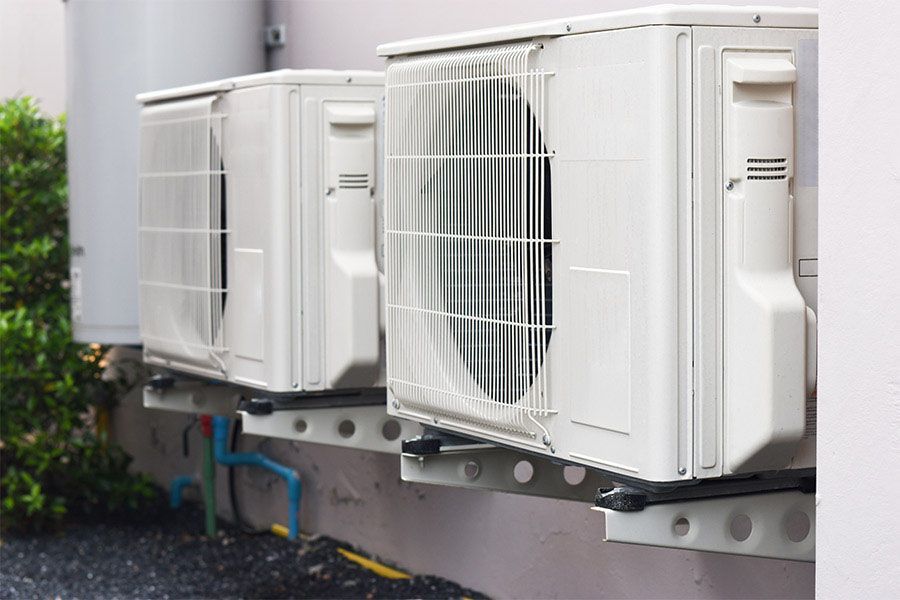
As temperatures in the Santa Ana River basin begin their seasonal shift and Riverside evenings cool off, homeowners often overlook one of the most important maintenance windows of the year. Fall is the ideal time to schedule a heat pump tune-up, well before the system needs to carry the full weight of winter heating demand. Catching small issues now, while the weather is still mild, prevents them from becoming full breakdowns once cold nights settle in.

Our heat pump services in Riverside, CA, are built around exactly this kind of proactive care, giving homeowners a clear picture of their system's condition before it matters most.

Why Fall Is Ideal for a Heat Pump Tune-Up

As the season shifts and temperatures begin to drop, many homeowners overlook the importance of preparing their heat pump for the months ahead. Scheduling a tune-up in the fall allows a technician to address developing issues before the cold sets in, rather than discovering a problem during a January cold front when service demand is highest.

Fall's milder weather also makes maintenance work easier and more thorough. Technicians can access outdoor components, test system performance under moderate conditions, and complete diagnostic work without the pressure of an active heating emergency. Scheduling early avoids the seasonal rush that comes with the first real cold snap, when every HVAC company in the Inland Empire sees a spike in emergency calls. Getting ahead of that curve means homeowners get a full inspection on their own schedule rather than waiting in line during peak season.

How a Tune-Up Enhances Efficiency and Longevity

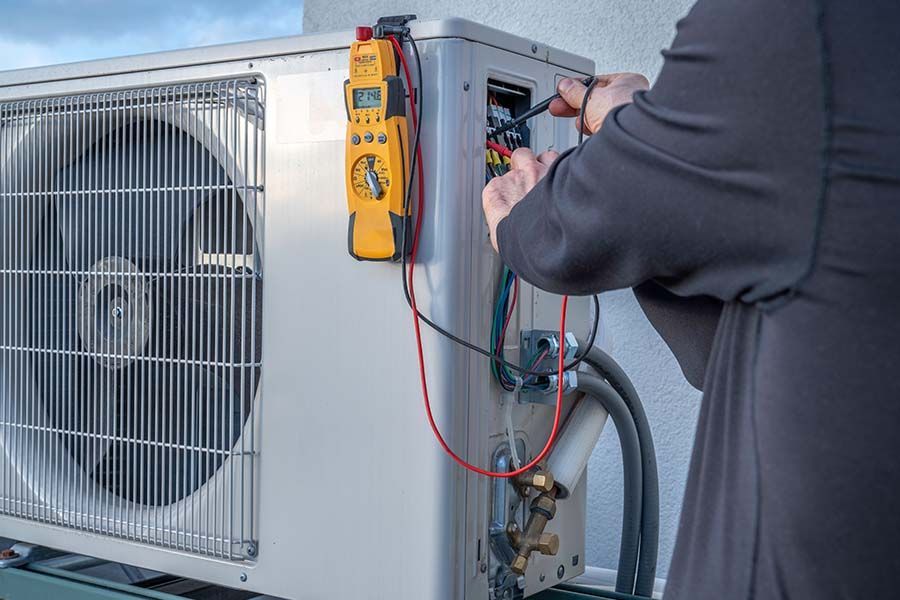
A heat pump tune-up serves as a comprehensive checkup of the entire system, and its value extends well beyond simply confirming the unit turns on. During a proper tune-up, a technician cleans critical components, checks refrigerant levels, and inspects electrical connections, all of which directly affect the system's efficiency.

A heat pump operating at optimal efficiency uses less energy to deliver the same heating output, resulting in lower monthly utility bills. Just as important, addressing minor wear and tear before it compounds reduces strain on the compressor and other core components, extending the system's usable lifespan and reducing the likelihood of an unexpected failure mid-winter.

What to Expect During a Heat Pump Tune-Up

A thorough tune-up follows a consistent process designed to catch issues before they affect performance. A technician begins by checking refrigerant levels and inspecting the coils for dirt, corrosion, or physical damage, since a compromised coil directly limits heat transfer efficiency. Filters are cleaned or replaced to restore proper airflow, and electrical connections are examined and tested, along with the thermostat, to confirm the system responds accurately to temperature settings.

Ductwork inspection is also part of a complete visit, since leaks or blockages in the duct system can undermine even a perfectly functioning heat pump. Once the inspection is complete, the homeowner receives a detailed report covering the findings and any recommended repairs or improvements, giving a clear basis for deciding what, if anything, needs further attention.

The Cost-Effectiveness of Regular Maintenance

Regular heat pump maintenance is as much a financial decision as a comfort one. A well-maintained system operates more efficiently, reducing strain on its components and extending its service life, which translates directly into fewer costly repairs down the road.

Proactive maintenance also allows minor issues to be caught and corrected before they escalate into major failures. A refrigerant leak identified during a routine tune-up is a straightforward repair. The same leak left unaddressed for months can lead to compressor damage that costs many times more to fix. Investing in scheduled maintenance is a hedge against the far greater expense of emergency repairs and premature system replacement, and our heating maintenance service is designed to catch exactly these developing issues.

Signs Your Heat Pump Needs Immediate Attention

While fall maintenance is the ideal proactive step, some warning signs indicate a system needs attention right away rather than waiting for a scheduled visit. Grinding or hissing noises, a system that fails to heat or cool properly, or a sudden and unexplained spike in energy bills are all signals that should not be ignored.

Unusual smells coming from the unit or a system that cycles on and off more frequently than normal can also indicate developing problems that warrant a closer look. These symptoms often indicate issues that will only worsen with continued use, and addressing them promptly typically costs less than waiting until the system fails.
Fix Refrigerant Leaks for Good With Air Conditioning Repair

Inland Empire Comfort Has Fall Covered

Scheduling a heat pump tune-up before winter arrives is one of the most cost-effective steps a Riverside homeowner can take to protect both comfort and budget through the coming season. Inland Empire Comfort brings the technical expertise and local experience to catch developing issues early and keep your system running reliably when you need it most.

Ready to get ahead of winter? Schedule your heat pump tune-up today and head into the cold season with confidence.

You might also like

Inland Empire Comfort
By SEOCH September 11, 2026
Homes in the Claremont foothills have a distinct set of comfort challenges that standard HVAC solutions do not always address well. The terrain along the base of the San Gabriel Mountains creates microclimates that shift quickly: warm afternoons that give way to noticeably cooler evenings, dry Santa Ana wind events that push temperatures up without warning, and older housing stock that was often built without the ductwork infrastructure modern central systems require. Ductless mini-splits and heat pumps have become an increasingly practical answer to these conditions. They offer precise climate control, strong energy efficiency, and installation flexibility that make them well-suited to the foothill properties throughout the Claremont area. For homeowners considering an upgrade, understanding how these systems work and what to expect from the installation process is the right starting point. Our team, providing air conditioning repair in Claremont, CA , works with these systems regularly and can walk through the options that best fit your home. Benefits of Ductless Mini-Splits for Claremont Homes A ductless mini-split system delivers both heating and cooling without relying on a network of ducts running through walls, attics, or crawl spaces. For homes in the older neighborhoods near Claremont's historic Village district or the hillside properties above Baseline Road, this distinction matters considerably. Adding or extending ductwork in these homes is often impractical, expensive, and disruptive. A mini-split bypasses that requirement entirely. The core advantages these systems offer Claremont homeowners are substantial. Mini-splits avoid the energy losses associated with ductwork, which can account for a significant portion of a central system's total energy consumption, and homeowners typically see a meaningful reduction in monthly utility costs after switching. Indoor air handlers also operate independently, allowing different rooms or areas of the home to be maintained at different temperatures simultaneously, which is particularly useful in foothill homes where sun exposure varies significantly from room to room. Most systems include multi-stage filtration that captures dust, allergens, and fine particles, an important consideration given the dust and pollen levels that accompany wind events in the Claremont area. On top of that, indoor units are compact, wall-mounted, and quiet, with the compressor located outdoors, integrating cleanly into the living space without the visual footprint of window units or the mechanical complexity of central systems. How Heat Pumps Work and Their Efficiency in Foothill Areas A heat pump operates on a fundamentally different principle than a furnace or standard air conditioner. Rather than generating heat through combustion or electrical resistance, it transfers thermal energy from one place to another. In heating mode, it extracts warmth from the outdoor air and moves it inside. In cooling mode, that process reverses. The result is a single system that provides year-round comfort from a single piece of equipment. This approach is notably efficient because moving heat requires significantly less energy than producing it. Heat pumps can deliver multiple units of heating or cooling energy for every unit of electricity consumed. In the foothill climate around Claremont, heat pumps perform particularly well. Winters along the base of the San Gabriel Mountains are mild by most standards, with temperatures rarely reaching the extremes that can challenge heat pump efficiency in colder regions. The system handles both warm-season cooling demand and moderate winter heating load without compromise, and does so at lower operating costs than maintaining separate heating and cooling equipment. Choosing the Right System: Mini-Split vs. Central Air The choice between a ductless mini-split and a central air system comes down to the home's specific characteristics rather than to a universal preference for one technology over the other. Mini-splits are generally the stronger choice when: The home lacks existing ductwork, or the current ducts are in poor condition Precise room-by-room temperature control is a priority The project involves an addition, converted garage, or detached structure, where extending ductwork would be difficult Energy efficiency and lower long-term operating costs are primary concerns Central air systems remain a practical option when: The home already has well-maintained ductwork in good condition Uniform whole-house conditioning is the primary goal Quieter mechanical rooms and consolidated equipment are priorities Based on what we see in Claremont properties, particularly in the foothill neighborhoods between Mills Avenue and the Pomona College campus, many homes benefit from a hybrid approach: a central system for the main living areas and a mini-split for specific zones where ductwork is impractical. A professional assessment of the home's layout and existing infrastructure is the most reliable way to determine the right configuration. Our air conditioning installation team in Claremont, CA evaluates each property individually before making any equipment recommendations. What to Expect During a Ductless System Installation A ductless mini-split installation is significantly less invasive than a central system installation, but it still requires precise work and professional execution to deliver reliable long-term performance. The process generally begins with a site assessment, where a technician evaluates the home's layout, identifies optimal placement for both indoor and outdoor units, assesses the electrical panel capacity, and determines the appropriate system size for the space. From there, the outdoor compressor unit is mounted on an exterior wall or ground pad in a location that provides adequate airflow clearance and minimizes noise impact on living areas. A small conduit carrying refrigerant lines, electrical wiring, and a condensate drain line is then run between the outdoor and indoor units, typically requiring a hole of approximately 3 inches in the exterior wall. Indoor air handlers are secured to interior walls at the planned locations and connected to the refrigerant lines and system controls. Once installation is complete, the technician charges the system, verifies refrigerant pressures, confirms proper operation across all modes, and walks the homeowner through the controls. The installation is typically completed within a day for a single-zone system, with multi-zone configurations taking modestly longer, depending on the number of indoor units involved. Keeping Your Mini-Split and Heat Pump Running Smoothly Like any mechanical system, ductless mini-splits and heat pumps require consistent maintenance to perform at their rated efficiency and reach their expected service life. In the Claremont foothill environment, where dust from wind events and debris from surrounding vegetation can accumulate quickly, staying on top of maintenance is especially important. Indoor unit filters should be checked monthly and cleaned or replaced as needed, since clogged filters restrict airflow, reduce efficiency, and can contribute to ice formation on the indoor coil. The compressor unit should also be kept free of leaves, debris, and vegetation, as obstructed airflow around the outdoor unit directly reduces system efficiency and can cause the compressor to overheat. Condensate drain lines are worth checking periodically for blockages, too, since a backed-up drain can cause water damage to the wall and ceiling around the indoor unit. Beyond these routine checks, a licensed technician should inspect refrigerant pressures, clean coil surfaces, verify electrical connections, and assess the system's overall condition annually. This professional tune-up is the most effective way to catch developing issues before they become costly repairs. Our air conditioning maintenance in Claremont, CA includes comprehensive service for mini-split and heat pump systems, covering all the above and providing a full condition report after each visit. For homeowners who currently have a heat pump and want to confirm it is properly set up for year-round performance, our heat pump services include diagnostics, tune-ups, and repairs for all major equipment brands.
By SEOCH August 27, 2026
Discover 10 practical ways to improve furnace efficiency in Riverside, CA. IE Comfort AC shares energy-saving tips to help lower heating costs. Read more.
By SEOCH August 27, 2026
When an air conditioning system fails unexpectedly in Woodcrest, CA, the urgency is real. Summer temperatures in this part of Riverside County climb quickly, and a home without cooling can become uncomfortable and even unsafe within hours. The pressure of an emergency can make it tempting to hire the first available contractor, but that decision carries risks. Knowing what to look for before making that call helps homeowners in Woodcrest and the surrounding communities make a confident choice under pressure. Our emergency AC repair services are available around the clock and are built to meet every standard covered in this guide. 1. Verify Licenses and Certifications to Ensure Legitimacy Licensing is the first and most fundamental qualification to verify before allowing any contractor into your home. In California, HVAC contractors must hold a valid C-20 license issued by the Contractors' State License Board. This license confirms that the contractor has met the state's requirements for technical knowledge and professional conduct. Verifying a contractor's license number through the CSLB website takes only a few minutes and provides immediate confirmation of their standing. Certifications from organizations such as NATE and HVAC Excellence go beyond the licensing minimum and indicate that technicians have pursued additional technical training. These credentials demonstrate a commitment to staying current with evolving equipment and industry best practices. Inland Empire Comfort Heating and Air is fully licensed, bonded, and insured, and we are happy to provide documentation of our credentials before any service appointment. 2. Check for 24/7 Availability for Emergency Services A contractor who offers emergency services only during business hours is not a true emergency resource. Cooling system failures do not respect schedules, and a breakdown at 9 p.m. on a July evening in Woodcrest requires the same prompt professional response as one that occurs at noon on a weekday. When evaluating contractors for emergency work, confirm that their 24/7 availability is genuine rather than a marketing claim. Ask directly about response times and how calls are handled after hours. A contractor with real around-the-clock availability will be able to answer those questions clearly and specifically. The ability to reach a live person and receive a committed response time is what separates a contractor who takes emergency service seriously from one who simply advertises it. 3. Read Customer Reviews and Testimonials for Credibility Assess Online Ratings Customer reviews on platforms like Google provide a meaningful window into how a contractor actually performs under real service conditions. When reviewing ratings, look for consistent patterns across multiple reviews rather than focusing on individual outliers. Positive feedback that repeatedly mentions prompt response times, clear communication, and quality workmanship reflects reliable operational standards. Patterns in negative reviews are equally informative, particularly those that reference poor follow-through or billing disputes. Comparing ratings across multiple platforms gives a more complete picture than relying on a single source. Pay attention to how the company responds to criticism. A contractor who addresses concerns professionally and works toward resolution demonstrates accountability that matters when you are the one with the problem. Seek Personal Recommendations Personal referrals from neighbors, friends, or local community groups carry a different kind of credibility than anonymous online reviews. A recommendation from someone in Woodcrest who has firsthand experience with a contractor in similar local conditions provides context that star ratings alone cannot capture. Asking within neighborhood social media groups or community forums often surfaces consistent names that reflect a genuine local reputation. 4. Evaluate Experience With Your Specific AC System Type System Compatibility Assessment Not all HVAC technicians have equal experience with every system type. A contractor who works primarily on one brand of equipment may not be the right choice for a system with different design characteristics or failure patterns. Before hiring, confirm that the contractor has direct experience with your specific brand and model. Ask whether they have handled common issues associated with your system type and whether they have reliable access to the replacement parts your equipment requires. Manufacturer Certifications Verification Manufacturer certifications indicate that a technician has received training directly from the equipment manufacturer and understands how to service that system to original specifications. For homeowners with Bryant or Goodman equipment, for example, working with a contractor familiar with those brands means repairs are performed in a way that preserves system integrity and supports warranty coverage. In our service calls throughout Woodcrest and the broader Riverside area, brand familiarity consistently improves diagnostic accuracy and repair outcomes. 5. Inquire About Warranty and Satisfaction Guarantees A contractor who stands behind their work will offer clear warranty terms on both parts and labor. Before approving any repair, ask specifically how long the warranty lasts, what it covers, and how claims are handled if a problem recurs. Manufacturer warranties on replacement components should also be honored and communicated transparently. Satisfaction guarantees reflect a contractor's confidence in their own workmanship. A company that commits to making things right if a repair does not hold is demonstrating accountability rather than simply making a sales claim. Reviewing customer feedback specifically for mentions of how warranty situations were handled gives insight into whether a contractor's stated guarantees translate into real-world follow-through. 6. Assess Transparency in Pricing and Estimates Clear, upfront pricing is a baseline expectation for any reputable HVAC contractor. Before work begins, a qualified contractor should provide a written estimate that breaks down labor costs, parts, and any applicable service fees. Hidden charges that appear on a final invoice without prior disclosure are a consistent red flag in contractor feedback and a sign of a business practice that does not prioritize the customer relationship. Ask whether the contractor charges flat rates or hourly fees, and clarify how emergency or after-hours calls are priced. Understanding the pricing structure in advance removes ambiguity and enables meaningful comparisons between contractors. A contractor who is willing to answer these questions clearly and without evasion is demonstrating the kind of transparency that holds up throughout the service relationship. Our air conditioning repair services are priced with full disclosure and no surprise charges. 7. Confirm Insurance Coverage for Protection and Peace of Mind Liability insurance and workers' compensation coverage are not optional considerations. They are essential protections for the homeowner. Liability insurance covers damage to the property that occurs during the repair process. Workers' compensation covers injuries sustained by technicians while on the job, protecting the homeowner from potential legal liability. Always request proof of insurance documentation before work begins, and take a moment to review the policy limits to confirm the coverage is adequate. Understanding the contractor's claims process in advance, so you know exactly what to do if something goes wrong, is a reasonable precaution that any legitimate contractor will support.

Book a Service Today