Do You Need to Replace Furnace with AC?

Inland Empire Comfort
December 7, 2021

Furnaces typically last 15 or 20 years. Replacing an aging furnace can be a time-consuming but necessary process. Many homeowners wonder if they should replace the air conditioning along with the furnace, rather than having to tear apart their heating and cooling system a second time when the air conditioner breaks down. Do you need to replace your furnace with AC?

Several factors might influence this decision. Consider the type of climate control system you have for your house. The age and condition of your air conditioner are also important. Lastly, consider whether the furnace replacement is part of a larger renovation project that could impact your air conditioning.

What Type of Air Conditioning Do You Have?

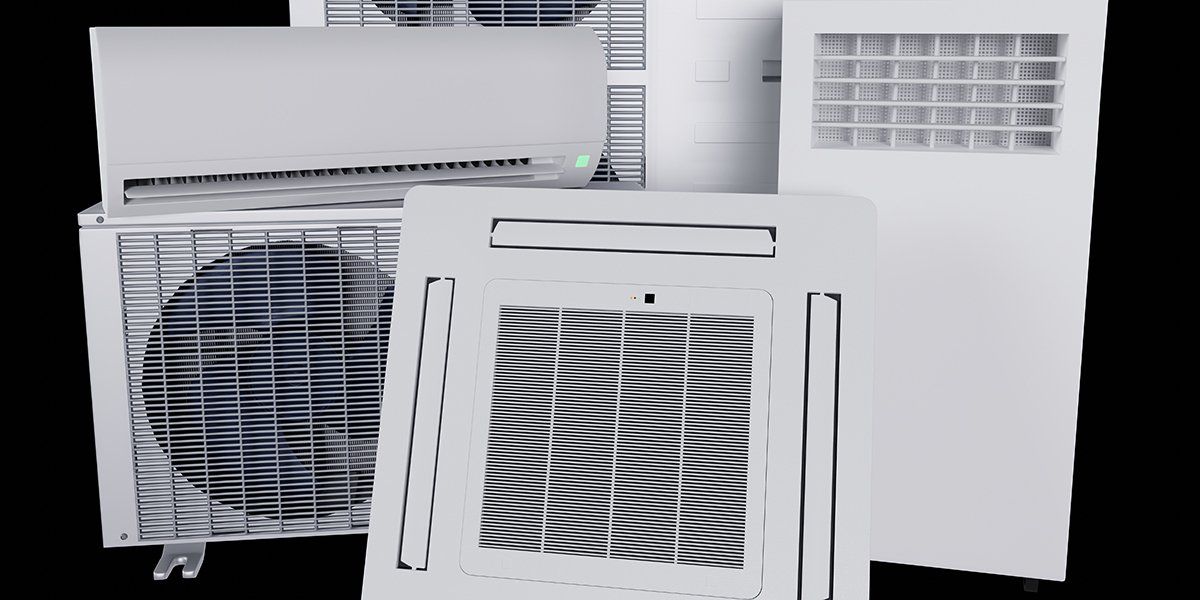
There are three common ways to cool your house with air conditioning. The old-fashioned system uses window-mounted air conditioning units that cool individual rooms.

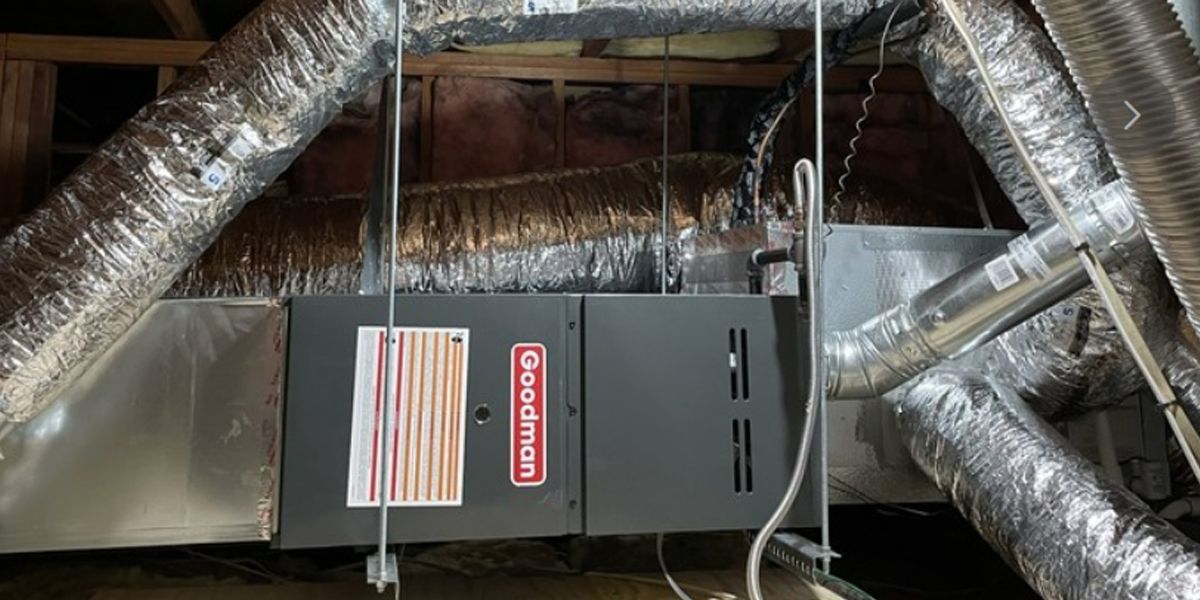
More modern houses often have integrated Heating, Ventilation, and Air Conditioning (HVAC) systems that incorporate both the furnace and the air conditioning units together with ductwork that carries temperature-controlled air to every room in the house.

More recently, split air conditioning units have become more popular. They consist of individual wall-mounted air conditioning units connected to a single condenser. Split AC allows homeowners to set the temperature individually for each room without needing a bulky and noisy full AC unit inside the house.

To learn more about split designs, read our article on comparing window and split AC.

If you have window AC units in your home, they operate independently of the furnace. There would be no reason to replace the wall units unless they were also showing wear and tear.

However, if you want to install a more contemporary HVAC or split system, combining the furnace replacement with the new AC installation has several benefits. You could save money compared to two separate installations, and you would have the opportunity to choose furnace and AC models that are compatible with one another and able to work together as a unit. It would be a shame to install a new furnace only to have to replace it again when you install an HVAC system.

If you have an HVAC system with ductwork and vents that serve both the furnace and the air conditioner, it might make sense to replace them together. As air conditioners and furnaces age, they often develop problems that affect the ductwork and clog the vents. It might not be optimal to install a new furnace into a system that has wear and tear from serving an aging furnace or AC.

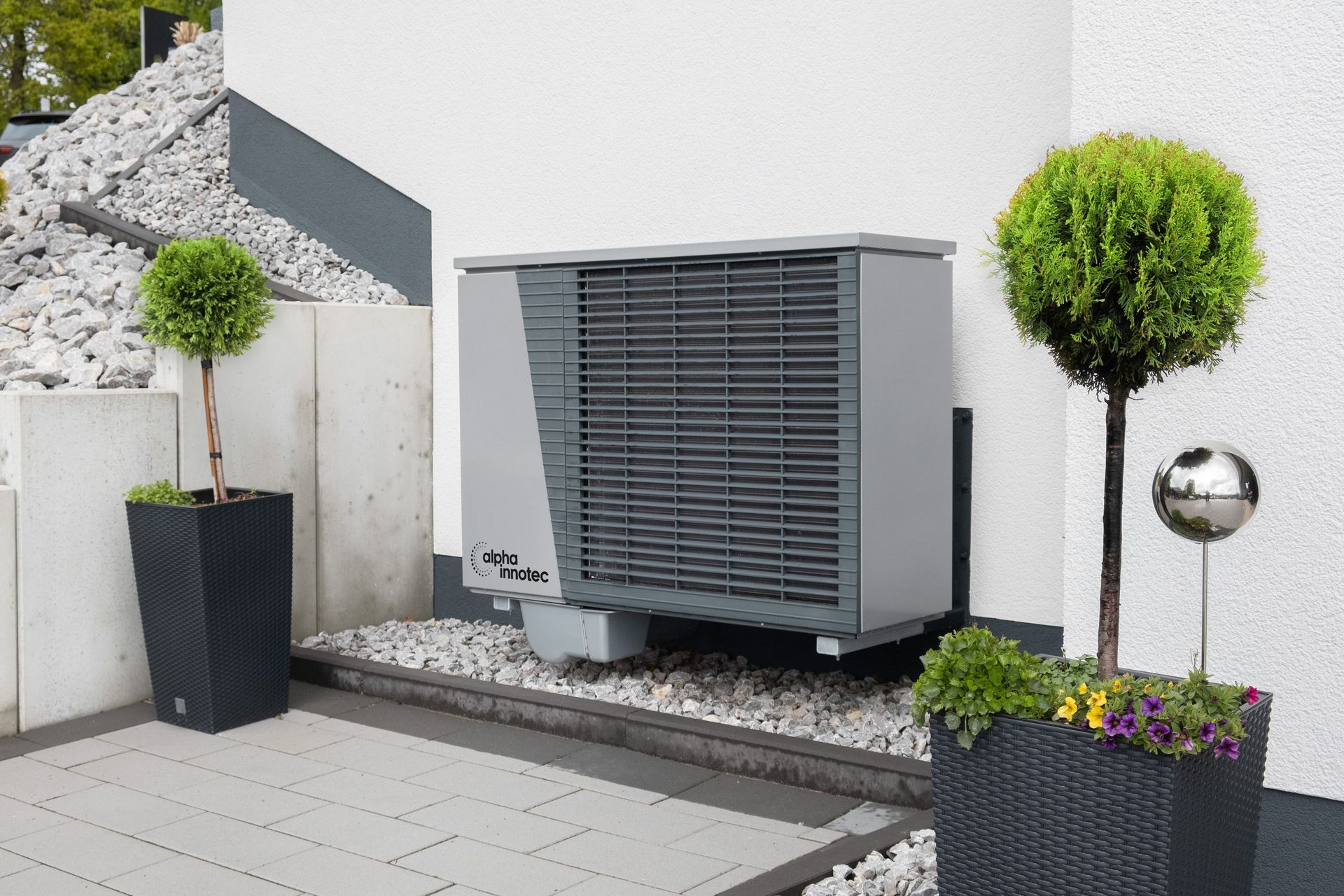
If you upgrade your AC to a new split system, you could replace your furnace with an energy-efficient heat pump. In this case, you might use an air handler instead of a furnace to move heated or cooled air through the house. 

Is Your Furnace Working Well?

If your furnace is less than 10 years old and is in good condition, you would sacrifice up to a decade of the furnace’s lifespan by replacing it early. The money you save by bundling the installation would most likely not outweigh the cost of a new furnace when you don’t need one.

Is the Furnace Compatible with Your New Air Conditioning System?

If you’ve already decided to replace your air conditioner, you might have some models in mind. You might have considered the energy efficiency and SEER rating of the options. Consider whether your current furnace blower motor is up to the task of working with your air conditioning system. 

In an HVAC or split system, the AC depends on the furnace’s blower motor to circulate air through your house. If the furnace can’t keep pace with the new high-efficiency air conditioner, you won’t save much money on energy bills despite the new AC.

Do You Need a Furnace Upgrade?

An older furnace might not meet the changing needs of your home or your family. If you have increased the square footage of your home, you might need a larger furnace. If you can reduce your energy bills by installing a more energy-efficient model, the savings could offset the cost of the furnace replacement. It may not be obvious when you need a furnace upgrade, so homeowners should consider their options with the guidance of a professional HVAC technician who has experience with modern furnaces, HVAC systems, and split systems.

It All Comes Down to Timing

Your new AC unit will probably last 10 or 15 years. By that time, will your furnace still be running? Could upgrading your furnace 10 years from now give you the opportunity to install a future model that improves on furnaces available today? On the other hand, does waiting mean that you have to deal with a failing furnace five years from now?


If, for example, you are raising children, why not give them the best heating and AC? On the other hand, if you plan to spend the next five or ten years renovating your house, letting the furnace muddle along until you’re finished might be a better choice. A professional can help you understand and weigh your options.

Professional Furnace and Air Conditioner Replacement

A new furnace or air conditioner is a costly investment that affects your enjoyment of your home for the next 20 years. If you have young children, they will spend the rest of their childhoods in the warmth and cool air of the system that you install. Be sure to hire the best, most experienced contractors in your area and carefully consider your options.

The HVAC technicians at Inland Empire Comfort are the local air conditioning repair experts in Riverside, CA. Inland Empire Comfort is licensed in the state of California, and our technicians have many years of experience with furnace and air conditioner replacement. We’ll give you a clear and customized answer to the question: Do you need to replace your furnace with AC? Call us today at (951) 336-1975 for a free quote. We’ll be happy to discuss your AC replacement and your heating and cooling needs.

You might also like

Inland Empire Comfort
By SEOCH August 27, 2026
Discover 10 practical ways to improve furnace efficiency in Riverside, CA. IE Comfort AC shares energy-saving tips to help lower heating costs. Read more.
By SEOCH August 27, 2026
When an air conditioning system fails unexpectedly in Woodcrest, CA, the urgency is real. Summer temperatures in this part of Riverside County climb quickly, and a home without cooling can become uncomfortable and even unsafe within hours. The pressure of an emergency can make it tempting to hire the first available contractor, but that decision carries risks. Knowing what to look for before making that call helps homeowners in Woodcrest and the surrounding communities make a confident choice under pressure. Our emergency AC repair services are available around the clock and are built to meet every standard covered in this guide. 1. Verify Licenses and Certifications to Ensure Legitimacy Licensing is the first and most fundamental qualification to verify before allowing any contractor into your home. In California, HVAC contractors must hold a valid C-20 license issued by the Contractors' State License Board. This license confirms that the contractor has met the state's requirements for technical knowledge and professional conduct. Verifying a contractor's license number through the CSLB website takes only a few minutes and provides immediate confirmation of their standing. Certifications from organizations such as NATE and HVAC Excellence go beyond the licensing minimum and indicate that technicians have pursued additional technical training. These credentials demonstrate a commitment to staying current with evolving equipment and industry best practices. Inland Empire Comfort Heating and Air is fully licensed, bonded, and insured, and we are happy to provide documentation of our credentials before any service appointment. 2. Check for 24/7 Availability for Emergency Services A contractor who offers emergency services only during business hours is not a true emergency resource. Cooling system failures do not respect schedules, and a breakdown at 9 p.m. on a July evening in Woodcrest requires the same prompt professional response as one that occurs at noon on a weekday. When evaluating contractors for emergency work, confirm that their 24/7 availability is genuine rather than a marketing claim. Ask directly about response times and how calls are handled after hours. A contractor with real around-the-clock availability will be able to answer those questions clearly and specifically. The ability to reach a live person and receive a committed response time is what separates a contractor who takes emergency service seriously from one who simply advertises it. 3. Read Customer Reviews and Testimonials for Credibility Assess Online Ratings Customer reviews on platforms like Google provide a meaningful window into how a contractor actually performs under real service conditions. When reviewing ratings, look for consistent patterns across multiple reviews rather than focusing on individual outliers. Positive feedback that repeatedly mentions prompt response times, clear communication, and quality workmanship reflects reliable operational standards. Patterns in negative reviews are equally informative, particularly those that reference poor follow-through or billing disputes. Comparing ratings across multiple platforms gives a more complete picture than relying on a single source. Pay attention to how the company responds to criticism. A contractor who addresses concerns professionally and works toward resolution demonstrates accountability that matters when you are the one with the problem. Seek Personal Recommendations Personal referrals from neighbors, friends, or local community groups carry a different kind of credibility than anonymous online reviews. A recommendation from someone in Woodcrest who has firsthand experience with a contractor in similar local conditions provides context that star ratings alone cannot capture. Asking within neighborhood social media groups or community forums often surfaces consistent names that reflect a genuine local reputation. 4. Evaluate Experience With Your Specific AC System Type System Compatibility Assessment Not all HVAC technicians have equal experience with every system type. A contractor who works primarily on one brand of equipment may not be the right choice for a system with different design characteristics or failure patterns. Before hiring, confirm that the contractor has direct experience with your specific brand and model. Ask whether they have handled common issues associated with your system type and whether they have reliable access to the replacement parts your equipment requires. Manufacturer Certifications Verification Manufacturer certifications indicate that a technician has received training directly from the equipment manufacturer and understands how to service that system to original specifications. For homeowners with Bryant or Goodman equipment, for example, working with a contractor familiar with those brands means repairs are performed in a way that preserves system integrity and supports warranty coverage. In our service calls throughout Woodcrest and the broader Riverside area, brand familiarity consistently improves diagnostic accuracy and repair outcomes. 5. Inquire About Warranty and Satisfaction Guarantees A contractor who stands behind their work will offer clear warranty terms on both parts and labor. Before approving any repair, ask specifically how long the warranty lasts, what it covers, and how claims are handled if a problem recurs. Manufacturer warranties on replacement components should also be honored and communicated transparently. Satisfaction guarantees reflect a contractor's confidence in their own workmanship. A company that commits to making things right if a repair does not hold is demonstrating accountability rather than simply making a sales claim. Reviewing customer feedback specifically for mentions of how warranty situations were handled gives insight into whether a contractor's stated guarantees translate into real-world follow-through. 6. Assess Transparency in Pricing and Estimates Clear, upfront pricing is a baseline expectation for any reputable HVAC contractor. Before work begins, a qualified contractor should provide a written estimate that breaks down labor costs, parts, and any applicable service fees. Hidden charges that appear on a final invoice without prior disclosure are a consistent red flag in contractor feedback and a sign of a business practice that does not prioritize the customer relationship. Ask whether the contractor charges flat rates or hourly fees, and clarify how emergency or after-hours calls are priced. Understanding the pricing structure in advance removes ambiguity and enables meaningful comparisons between contractors. A contractor who is willing to answer these questions clearly and without evasion is demonstrating the kind of transparency that holds up throughout the service relationship. Our air conditioning repair services are priced with full disclosure and no surprise charges. 7. Confirm Insurance Coverage for Protection and Peace of Mind Liability insurance and workers' compensation coverage are not optional considerations. They are essential protections for the homeowner. Liability insurance covers damage to the property that occurs during the repair process. Workers' compensation covers injuries sustained by technicians while on the job, protecting the homeowner from potential legal liability. Always request proof of insurance documentation before work begins, and take a moment to review the policy limits to confirm the coverage is adequate. Understanding the contractor's claims process in advance, so you know exactly what to do if something goes wrong, is a reasonable precaution that any legitimate contractor will support.
By SEOCH July 27, 2026
Learn what causes frequent air conditioning repair issues in Riverside, CA homes and how to prevent recurring AC problems. Get expert tips from IE Comfort.

Book a Service Today