7 Factors Affecting Air Conditioning Efficiency

Inland Empire Comfort
May 17, 2022

You can improve the efficiency of your cooling system by reviewing factors affecting air conditioning. Understanding potential problems helps you address them early, keeping your air conditioning unit in excellent condition. Considering these factors also enables you to determine when to call for professional AC repair assistance.


You can learn more with our expert air conditioning contractors in Riverside, CA. Find out more by reaching out to our team at Inland Empire Comfort Air Conditioning and Heating at 951-336-1892.


#1: Maintenance


Regular maintenance impacts the efficiency of your AC system in Riverside and surrounding areas. Maintenance helps the system function smoothly and allows crews to address minor issues before they turn into big problems.

During maintenance appointments, crews may:


  • Clean your unit
  • Check all filters
  • Look for water puddles
  • Check the AC fins
  • Unclog drain pipes
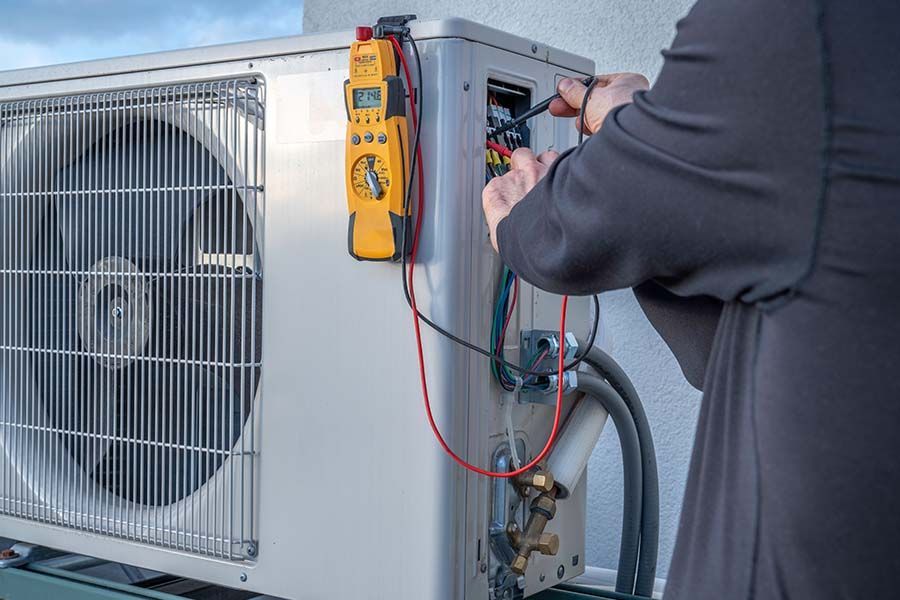
  • Look over electrical systems


Taking these steps helps maintain the efficiency of your AC unit. Most experts recommend yearly maintenance if you have a standalone AC system. However, you may want two appointments every year if you use an HVAC system, as HVAC systems heat and cool your property.


#2: Airflow


The amount of air that moves through your AC unit helps determine how efficiently it functions. Air handlers have to work harder if they do not get sufficient airflow, forcing them to use more energy and increasing your utility bills every month.


Multiple issues can impair the airflow through your AC unit. Common problems include:


  • Clogs in the air filter
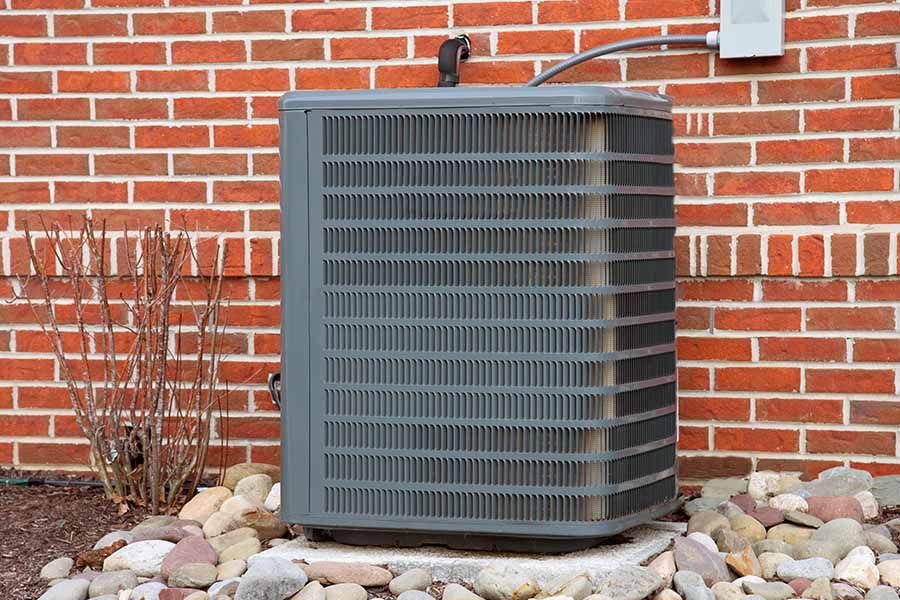
  • Blocks in the condenser unit
  • Ductwork issues


You can address some airflow issues on your own. Regularly change the filters in your ventilation system to keep them clean and make sure debris doesn’t collect around your outdoor unit.


#3: Leaks in the Ductwork


Many air conditioning systems use ductwork for air distribution. As a result, you may notice dips in the efficiency of your AC unit if this ductwork develops:


  • Cracks
  • Disconnections
  • Openings


In addition to reducing the efficiency of your AC system, issues with your ductwork can allow dirt, dust, and other debris into your home. Cool air can escape out of these leaks while warm air filters into your home. AC professionals can seal these leaks to improve the efficiency of your system.


#4: Dirt Buildup on AC Coils


Many AC systems use a series of evaporator and condenser coils to transfer heat away from the air, thereby cooling your home. However, dirt can cover these coils over time, making it more difficult for heat exchange to occur.


You can take proactive steps to reduce dirt buildup on your system. For example, regularly changing your air filters prevents dirt from getting to the coils. You may also consider air scrubbers or filters to remove more contaminants from your indoor environment.


#5: Your Temperature Setting


The commands you enter into your thermostat can influence the efficiency of your system. Generally, it’s more efficient to select a single temperature instead of repeatedly changing the temperature and forcing the unit to adjust.


However, you may increase the temperature a few degrees during the day for more efficiency, so the system does not have to work so hard. You may also program the thermostat to raise the temperature when you’re not at home, reducing the overall strain on your system.


#6: Your AC Model’s Design


Thus far, we’ve discussed factors that may impact your AC unit’s efficiency after you install the system. It’s essential to recognize that units come with varying levels of efficiency. You may want to consider this factor before you make a purchase.


You can check the efficiency of each relevant model by looking at the system’s Seasonal Energy Efficiency Ratio (SEER). SEER ratings tell you how well an AC unit uses energy to cool your home. All current AC units must have a minimum SEER rating of 13.


Some units have a much higher SEER rating, giving them greater energy efficiency. Furthermore, models sold before 2006 may not meet the SEER standards. Many of these models report efficiency ratings 30% lower than current models.


SEER Ratings and Cost for AC Units


SEER ratings represent only one of the factors you need to consider when purchasing an AC unit. Units with a higher SEER rating often cost more, making those with the highest rating cost-prohibitive for many people.


You may speak with AC installation professionals about the best option for your needs.


#7: Humidity


Your ideal AC model realization may depend upon the humidity levels in your home or business. Higher humidity levels make it harder for AC units to cool your air in some cases. Setting up a dehumidifier can lower moisture levels in the air, making it easier for your AC unit to function.


Keep Your AC Unit in Good Condition


Take direct control of the efficiency levels of your AC unit by setting up a maintenance appointment with AC professionals. Crews can work around your schedule to handle appointments when it works best for you.


During maintenance appointments, licensed, bonded, and insured crews address any concerns you have and check for potential issues. They also provide information about any potential issues they see with the system. For example, they may adjust your electrical system and other components to boost the output of your AC system.


If you have an older AC system, you may consider replacing it instead of focusing on AC maintenance. Unfortunately, older systems do not have the same efficiency levels as newer models, which prompts some homeowners in our area to consider a new installation. Allow our team to assess the best way to handle your home cooling needs.


Talk to Us About AC Efficiency in California


Learn more about the places to best install your AC and factors that can impact the system’s efficiency by contacting the professionals. Our team puts our years of experience to work when handling AC maintenance, installation, and repair.


Call Inland Empire Comfort Air Conditioning and Heating at 951-336-1892 to discuss factors affecting air conditioning in Riverside, CA.

You might also like

Inland Empire Comfort
By SEOCH June 27, 2026
In Riverside, CA, air conditioning issues rarely come out of nowhere. From low refrigerant levels and clogged filters to faulty thermostats and aging equipment, the problems that lead to costly repairs tend to follow predictable patterns. Working in homes across Riverside, from the Wood Streets neighborhood to communities near the Tyler Mall corridor, we see the same issues surface time and again, especially as summer temperatures push deep into the triple digits. Understanding what causes these failures is the first step toward avoiding them. Our air conditioning repair services in Riverside are available when these problems arise and need professional attention. Low Refrigerant Levels: Causes and Consequences When an air conditioning system struggles to cool a home, low refrigerant levels are often a contributing factor. Refrigerant leaks typically develop gradually through wear and tear on the lines, and by the time the cooling loss becomes noticeable, the problem has usually been present for some time. Low refrigerant is not a DIY fix. It requires a licensed technician to locate the source of the leak, make the necessary repairs, and restore proper refrigerant levels to manufacturer specifications. Running a system that is low on refrigerant puts excessive strain on the compressor, which is one of the most expensive components to replace. Left unaddressed, a refrigerant issue will drive up energy bills and shorten the equipment's lifespan. Inland Empire Comfort Heating and Air has the diagnostic tools and experience to identify refrigerant issues and restore system performance quickly. Clogged Air Filters: How They Affect Performance A clogged air filter is one of the most common and preventable causes of AC performance problems in Riverside homes. When filters become saturated with dust and debris, the consequences extend well beyond reduced airflow. Impact on Airflow When filters are not replaced regularly, the system loses its ability to draw in an adequate volume of air. The result is uneven cooling throughout the home, with some rooms feeling stuffy or warm while others are overcooled. The system runs longer cycles trying to compensate, which increases wear on every component. Increased Energy Costs A system working against restricted airflow consumes significantly more energy to maintain the set temperature. During our service calls throughout Riverside, we frequently find that unexplained increases in monthly energy bills are due to a filter that has not been changed in months. The fix is simple, but the cost of ignoring it adds up quickly. Reduced System Lifespan Consistently clogged filters force the system into a state of chronic overwork. The compressor runs hotter than it should, the fan motors wear out faster, and the equipment's overall lifespan shortens as a result. Keeping up with filter replacements is one of the most cost-effective ways to protect the investment in an HVAC system. Faulty Thermostats: Signs Your AC Isn't Responding A thermostat that is not functioning correctly can make a properly working air conditioner appear to have a serious problem. If a home is not cooling as expected, the thermostat is one of the first components worth examining. Signs of a faulty thermostat include a unit that does not respond to temperature adjustments, one that requires constant manual correction to maintain comfort, or an AC that cycles on and off far more frequently than normal. A thermostat that has lost communication with the air handler will leave the system unable to respond to the actual conditions inside the home. A professional best diagnoses these issues. Inland Empire Comfort Heating and Air can quickly determine whether the thermostat itself is the source of the problem or whether the issue lies deeper in the system. Electrical Issues: Understanding Circuit Breaker Problems Electrical problems are among the more serious AC issues due to the safety implications. Circuit breaker problems in particular can point to conditions that put the home at risk if not addressed promptly. Common Circuit Breaker Problems Three electrical issues we see regularly in Riverside homes include overloaded circuits, where too many devices are connected to a single circuit and the breaker trips to prevent overheating; short circuits caused by damaged wiring or failing components; and ground faults, where moisture or deteriorated insulation allows electricity to escape its intended path. Signs of Electrical Issues A breaker that trips repeatedly after being reset is a clear signal that something is drawing more current than the circuit is designed to handle. Flickering lights near the AC unit, buzzing sounds, burning smells, or visible scorch marks around outlets and electrical panels all indicate that professional evaluation is needed without delay. Preventative Maintenance Tips Scheduling annual professional inspections through a qualified technician is the most reliable way to catch developing electrical issues before they become dangerous. Keeping the area around the breaker box clear of dust and debris also contributes to safe system operation. Our air conditioning maintenance program includes a thorough inspection of electrical components at every visit. Dirty Coils: Why Cleaning Matters for Efficiency Evaporator and condenser coils coated with dust and grime lose their ability to transfer heat efficiently. When coils cannot do their job, the system has to run longer and work harder to achieve the same result, which drives up energy consumption and accelerates component wear. Based on what we see in Riverside properties, coil condition is one of the most commonly overlooked factors in AC performance. Annual professional cleaning restores heat transfer efficiency, improves airflow through the system, and directly impacts monthly operating costs. If a home has been experiencing poor cooling or rising energy bills without an obvious explanation, dirty coils are a likely contributor. Drainage Problems: Identifying Clogged Condensate Lines Air conditioning systems remove humidity from the air as part of the cooling process, and that moisture needs somewhere to go. When condensate drain lines become clogged, water has no path out of the system and begins to back up. Three signs of a condensate drainage problem include water pooling near the indoor air handler, a noticeable increase in indoor humidity as the system loses its ability to remove moisture effectively, and frequent system shutdowns triggered by the unit's overflow protection sensor. Left unaddressed, drainage problems can cause water damage to ceilings, walls, and flooring, and create conditions favorable to mold growth within the unit. Strange Noises: What Your AC Is Trying to Tell You Unusual sounds from an air conditioning system are almost always a sign that something inside the unit requires professional attention. Rattling typically points to loose hardware or debris that has entered the unit. Hissing sounds suggest a refrigerant leak. A booming or banging noise can indicate a failing compressor or a component that has come loose under operating pressure. High-pitched squealing is often associated with worn fan bearings or a motor that is beginning to fail. In our experience working across Riverside, homeowners who contact us when unusual sounds first appear almost always face smaller repair bills than those who wait. The longer a mechanical problem goes unaddressed, the more secondary damage it tends to cause. Age and Wear: When to Consider a Replacement At a certain point, the decision to repair or replace an aging air conditioning system becomes a financial one. Three indicators that a replacement conversation may be worth having include a unit that is more than ten years old and showing declining efficiency, energy bills that have increased steadily without a change in usage patterns, and a repair history that includes multiple service calls within the same season. Investing in a new, properly sized system often delivers better long-term value than continuing to repair aging equipment. Our team can evaluate the current system and provide an honest assessment of whether repair or AC installation is the more cost-effective path forward.
By SEOCH June 27, 2026
Claremont sits at the foot of the San Gabriel Mountains. While the views are exceptional, the region's seasonal winds and dry climate create conditions that allow indoor allergens to accumulate quickly. Dust mites, pet dander, mold spores, and pollen are common problems in homes throughout the area, and their effects on respiratory health are significant. Many homeowners are surprised to learn that the air inside their home can be more polluted than the air outside. Taking a proactive approach to indoor air quality is one of the most meaningful investments a Claremont household can make. Our indoor air quality services offer professional assessments and solutions tailored to each home's specific needs. Understanding Indoor Air Quality and Its Importance in Claremont Homes Indoor air quality refers to the condition of the air inside a home and its potential impact on the health and comfort of the people who live there. In Claremont homes, the combination of dry inland heat, seasonal Santa Ana winds, and typical household activity creates an environment where airborne pollutants can reach elevated levels without any visible sign. Common indoor pollutants include dust, pet dander, volatile organic compounds from household products, and biological contaminants like mold. These particles circulate throughout the home whenever the HVAC system runs, making the condition of the system and its filtration directly relevant to air quality. Regular HVAC maintenance, including filter changes, ventilation checks, and scheduled professional inspections, plays a central role in maintaining clean indoor air. Air purifiers and dehumidifiers provide additional layers of protection against allergens and excess moisture. Creating a genuinely healthy indoor environment requires a combination of the right equipment and consistent upkeep, both of which benefit from professional guidance. Common Allergens Found Indoors and Their Impact on Health Understanding which allergens are most likely present in a home is an important starting point for improving indoor air quality. Several of the most common indoor allergens are easy to overlook precisely because they are invisible to the naked eye. Dust mites thrive in bedding, upholstered furniture, and carpeting. Their waste particles are a leading trigger for asthma and chronic allergy symptoms. Pet dander consists of microscopic proteins shed through skin flakes, saliva, and urine. Even homes without pets can carry dander brought in on clothing or transferred from other environments. Mold spores develop in areas with elevated moisture and can cause respiratory irritation and allergic reactions, particularly in individuals with existing sensitivities. Pollen enters the home through open windows, doors, and on clothing, and can accumulate on surfaces and in ductwork throughout allergy season. Cockroach droppings are a less discussed but clinically significant trigger for asthma attacks, particularly in children. In our service calls throughout Claremont and the surrounding foothill communities, we see the impact these allergens have on households where air quality has not been actively managed. Identifying what is present in a specific home allows for targeted solutions rather than a one-size-fits-all approach. Effective Indoor Air Quality Solutions to Reduce Allergens Several proven solutions are available for homeowners who want to reduce allergen levels and improve the overall quality of their indoor air. High-efficiency particulate air (HEPA) filters are among the most effective tools available. These filters are engineered to capture particles as small as 0.3 microns, which includes the vast majority of airborne allergens that standard filters allow to pass through. Air purifiers equipped with UV-C light technology offer an added layer of protection by neutralizing bacteria, viruses, and mold spores that survive standard filtration. Professional duct cleaning removes accumulated dust, debris, and biological matter from the distribution system, preventing the HVAC from redistributing contaminants every time it cycles. Controlling indoor humidity with properly sized dehumidifiers discourages mold growth and reduces dust mite concentrations, both of which require moisture to thrive. Maintaining humidity levels between 30 and 50 percent is a practical target for most Claremont homes. Consistent air conditioning maintenance ensures the HVAC system itself is not contributing to air quality problems through dirty coils, clogged drains, or deteriorating filtration components. How to Choose the Right Air Quality Solutions for Your Home Selecting the most appropriate indoor air quality solutions requires an honest assessment of the specific conditions inside the home rather than a generic recommendation. The process typically begins with identifying the primary allergens or pollutants affecting the household. A family with multiple pets has different needs than one where a member has been diagnosed with mold-related respiratory issues. From there, the available options, including air purifiers, whole-home humidifiers and dehumidifiers, upgraded filtration, and ventilation improvements, can be evaluated against the size of the home, existing equipment, and budget. Energy efficiency should be factored into any equipment decision. Solutions that entail high ongoing operating costs may not be sustainable in the long term. Customer reviews and third-party performance data provide useful context when comparing specific products or systems. Working with a licensed HVAC technician ensures that the selected solutions are properly sized, correctly installed, and integrated with the existing system to deliver the intended results. Improper installation can reduce the effectiveness of even high-quality equipment. Benefits of Professional HVAC Services for Improved Indoor Air Quality Professional HVAC services offer diagnostic precision and technical expertise that are difficult to replicate through DIY measures alone. A trained technician can evaluate the entire system, identify sources of contamination or inefficiency, and recommend solutions based on actual conditions rather than general assumptions. Inland Empire Comfort Heating and Air is a family-owned company serving Claremont and the broader Inland Empire region. Our team uses trusted equipment from brands like Bryant and Goodman, and every member of our staff is fully licensed, bonded, and insured. We offer 24/7 availability for urgent situations, and we approach every service call with a commitment to honest, quality work. Investing in professional HVAC service is not simply a comfort decision. For households with allergies, asthma, or other respiratory conditions, it is a health decision with real, lasting consequences.
By SEOCH May 27, 2026
In Riverside, CA, emergency air conditioning repairs often stem from a combination of deferred maintenance and the relentless demands of our Inland Valley climate. Temperatures in the area regularly climb into the triple digits. When a system fails during a heatwave along the 91 corridor or in neighborhoods like Canyon Crest or Orangecrest, the urgency is immediate. Common warning signs include warm air blowing from the vents, unusual noises, or unexpected odors. Understanding what drives these failures gives homeowners the insight needed to act before a minor issue becomes a full system breakdown. For those dealing with an active cooling emergency, our emergency AC repair services in Riverside are available around the clock. Common Signs Your AC Needs Immediate Attention When temperatures rise across Riverside, the signs that a system is struggling become hard to ignore. Warm air from the vents, rather than the expected cool relief, is one of the clearest indicators that something is wrong. Strange noises are another important signal. Clanking, buzzing, or hissing sounds from the unit are not normal operating sounds and should be evaluated by a professional as soon as possible. Water pooling around the system or unusual dripping points to a drainage or condensate issue that can quickly worsen. A musty odor is often associated with mold or moisture buildup, which directly affects the air quality inside the home. Energy bills that spike without an obvious explanation can also indicate that the system is working harder than it should to maintain the temperature. In our service calls throughout Riverside, we frequently find that these subtle changes in system behavior go unnoticed until the unit shuts down entirely. Catching warning signs early gives homeowners the best chance of avoiding a full breakdown during peak summer heat. Major Causes of Air Conditioning Failures in Riverside Although air conditioning systems tend to operate quietly in the background, several underlying factors can cause them to fail without warning, particularly during the hottest stretches of a Riverside summer. Working in homes across the area, we see the same causes appear repeatedly: Dirty filters: A clogged filter restricts airflow throughout the system, forcing the unit to work harder and increasing the risk of overheating or mechanical failure. Refrigerant leaks: Low refrigerant levels reduce the system's cooling capacity and, if left unaddressed, can cause the compressor to fail. Electrical issues: Faulty wiring, worn contactors, or blown fuses can interrupt power to the unit, triggering unexpected shutdowns. Lack of maintenance: Without regular professional service, small issues accumulate and eventually result in major, costly failures. Each of these causes is preventable with the right care. Routine air conditioning maintenance allows a trained technician to identify and address these issues before they escalate into an emergency repair. How Do Weather Conditions Affect Your AC System? Weather conditions in the Riverside area play a significant role in how well a cooling system performs over time. The region's extreme heat places heavy and sustained demand on air conditioning equipment, particularly during the long summer months when daytime temperatures rarely drop below 95 degrees. High humidity adds another layer of stress. When moisture levels rise, the system must work harder to remove heat and humidity from the air simultaneously, which increases strain on the compressor and other core components. Based on what we see in Riverside properties, systems that are not properly maintained going into summer are far more likely to fail under these conditions. Severe weather events also pose a risk. Electrical storms can cause power surges that damage sensitive system components. High winds carry dust and debris that settle into filters and coils, reducing airflow and efficiency over time. Being aware of how the local climate affects system performance helps homeowners take the right precautions before conditions worsen. Importance of Regular Maintenance to Prevent Emergencies The strain that Riverside's climate places on cooling systems makes regular professional maintenance more than a recommendation. It is one of the most effective ways to avoid an emergency repair during the hottest time of year. Preventive service delivers real, measurable benefits: Minor issues are identified and corrected before they develop into costly repairs. Energy efficiency improves, which helps keep monthly utility costs in check. System lifespan is extended, protecting the homeowner's investment over time. Indoor air quality is maintained through clean filters and properly functioning components. Peak performance is preserved during the periods of highest demand. A well-maintained system is significantly less likely to fail unexpectedly. Homeowners who schedule service in the spring, before summer heat arrives, are in a much stronger position than those who wait until a problem develops. Our team offers home air conditioning repair in Riverside along with comprehensive maintenance plans designed to keep systems running reliably all season long. What to Do When You Experience an AC Emergency? When a cooling system stops working during a Riverside heatwave, it is natural to want to resolve the problem quickly. There are a few simple checks a homeowner can perform before calling for service: verify the thermostat is set correctly, check whether the air filter is heavily clogged and restricting airflow, and inspect the circuit breaker to see if a breaker has tripped. If those steps do not restore cooling, it is time to contact a licensed HVAC professional. Attempting to diagnose or repair more complex system issues without proper training and tools can cause further damage and may void existing equipment warranties. While waiting for a technician to arrive, take note of any unusual sounds, smells, or changes in system behavior. This information can help the technician diagnose the problem more quickly. Avoid running the unit if it is making grinding or hissing sounds, as continuing to operate a failing system can lead to more extensive damage. Inland Empire Comfort provides 24/7 emergency response for situations exactly like these. Our technicians are familiar with the homes and systems throughout the Riverside area, and we arrive prepared to diagnose and resolve cooling failures efficiently.

Book a Service Today