Why Is Your Furnace Blowing Cold Air in Jurupa Valley, CA?
Inland Empire Comfort
January 27, 2025
Furnace Repair in Jurupa Valley

If your furnace is blowing cold air, your house will get pretty uncomfortable fast. Many Jurupa Valley residents run into this problem, particularly when they first turn on their heat after not using it for a while.  


At Inland Empire Comfort, we provide furnace repair in Jurupa Valley and understand the ins and outs of why a furnace blows cold air. We'll determine exactly what's wrong and get your heat working again. 


Keep reading to learn what might be going wrong with your system and how to get your home cozy again. 

Possible Reasons Your Furnace Is Blowing Cold Air 

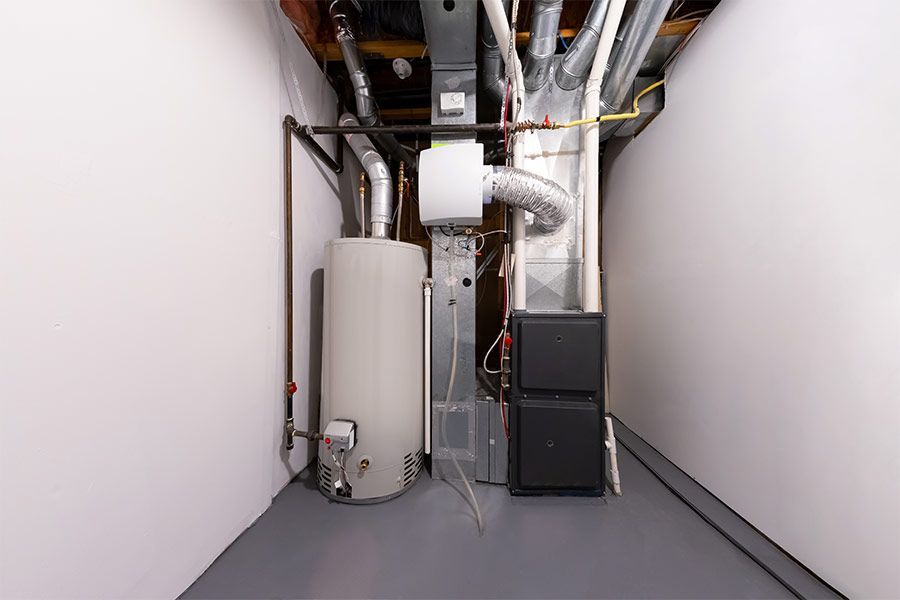
When you turn on your gas furnace, it doesn't blow hot air right away. First, the burners light up. The fan waits a bit before starting and will need to push out all the cold air sitting in your ducts. 

Don't worry if you feel cold air coming out at first—that's just how furnaces work. But if it stays cold after a few minutes, something is probably not right. 


A Faulty Thermostat 

A defective thermostat can blow cold air when thermostat settings are wrong: either stuck on "cool" instead of "heat," running on "fan" instead of "auto," or set too low. Sometimes, broken wiring between the thermostat and the furnace causes constant cold airflow.  

You want to set the temperature above 68°F, like 72°F, to trigger heat. Sometimes, faulty thermostat wiring may prevent communication with the furnace, requiring you to call an HVAC professional to diagnose the issue. 


Dirty Air Filter 

When the filter gets clogged with dust and debris, it blocks the normal flow of air into the furnace. Without enough air flowing through, the furnace can't properly heat what little air makes it past the filter. This triggers safety switches that shut off the burners to prevent damage from overheating. 


As a result, your furnace just pushes around room-temperature air without warming it up. Even though you have the heat on, you'll stay cold because the blocked airflow stops the furnace from doing its job of heating the air. This is a common reason why a furnace blows cold air.


Blocked Airflow 

Small or blocked ducts mean less air flows in, so your furnace struggles to heat what little air it gets. Clogged filters or poorly sized ductwork are common culprits.  


The result is that your furnace gives up and blows cold air instead of keeping your home cozy.


Circuit Control Board Malfunction 

If the control board breaks, the furnace can't run its basic functions properly. The board might still run the blower fan but fail to ignite the burners, resulting in cold air blowing through your vents.  


This typically happens when dirt builds up on the board, or water from a leak damages its electrical components. You need to act quickly to prevent complete heating failure.  


Leaky Ducts 

Leaky ducts are like throwing away money and comfort. When your furnace pushes heated air through damaged ducts, up to 30% of that warmth escapes into unused spaces like crawl spaces and walls. Meanwhile, holes in the ductwork suck in cold air from unheated areas.  

By the time air reaches your rooms, it's a disappointing mix of heated and cold air. This explains why you might feel chilly even with the heat running.  


A Damper Issue 

If your ducts have closed or stuck dampers, warm air can't get to parts of your house. Your furnace cranks up to compensate, working overtime to heat those cold spots. When it works too hard, it overheats and automatically switches to cold air to protect itself from damage.  


This happens pretty often—the furnace basically hits the brakes to prevent further damage. A simple damper adjustment might be all you need to fix the issue.  


Pilot Light or Ignition Issues 

If your furnace's ignition system fails, you'll get cold air because there's no flame to heat it. In modern furnaces, a dirty flame detector can shut off the heat while the blower keeps running.


Older furnaces with pilot lights can have similar issues—if debris blocks the pilot or it burns yellow instead of blue, you won't get proper heating. Either way, no flame means cold air, which is a common reason why a furnace blows cold air. Without proper ignition, the system can't generate heat, leaving you with chilly airflow.


Lack of Fuel (Gas Furnaces) 

When your furnace doesn't get enough gas, it can't create the flame needed for heating. Just like your car needs fuel to run, your furnace needs gas.  


If there's a problem with the gas valve or you're running low on propane, the furnace will still blow air—it just won't be heated. You can spot this issue if your other gas appliances aren't working either.  


Triggered Safety Mode 

When your furnace overheats, its safety switch kicks in to prevent damage. This causes it to blow cold air until things cool down, which explains why you might notice your furnace alternating between hot and cold air output; it’s actually protecting itself.


Faulty Main Limit Switch 

A faulty limit switch may incorrectly tell your furnace it's overheating even when it's not. This false alarm triggers the safety shutdown, stopping the heating cycle. Instead of producing warm air as it should, your furnace just blows cold air until a professional replaces the broken switch.  


Heat Exchanger Problems 

A cracked heat exchanger is a dangerous furnace problem that can make your home's air stay cold. When this critical part breaks, it can't properly heat the air flowing through your furnace.  


Worse yet, deadly carbon monoxide gas can leak into your home's air. You need immediate professional help if this happens.  
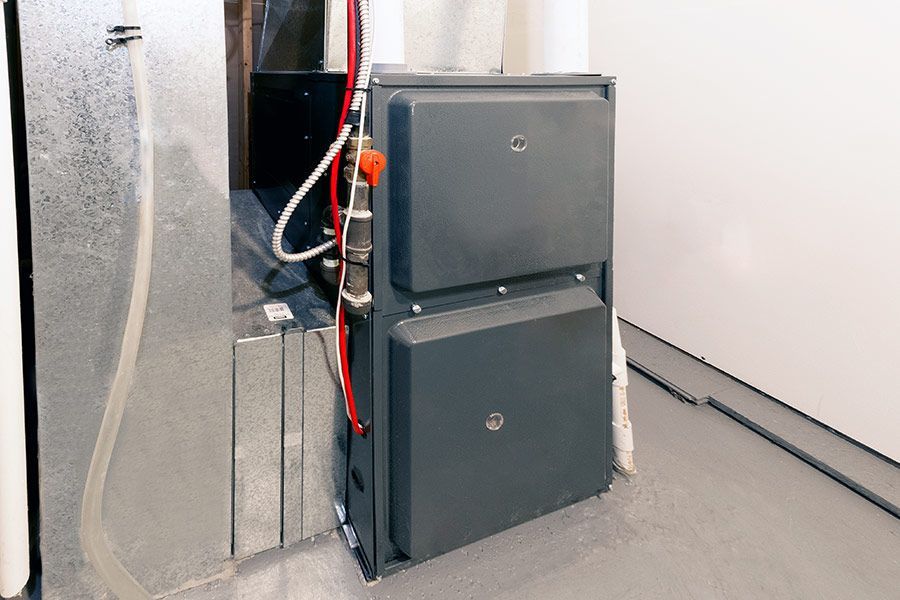
Schedule Reliable Furnace Repair

Schedule Reliable Furnace Repair  

Is your furnace blowing cold air? Time for annual furnace maintenance? Our technicians at Inland Empire Comfort will determine what's wrong and restore your comfort. We'll explain exactly what needs to be done and get your heat back up and running fast. 


We fix furnaces—both urgent breakdowns and regular upkeep. Big job or small, we'll do the job right. Call Inland Empire Comfort when your furnace needs repair or for more information on why a furnace blows cold air.

You might also like

Inland Empire Comfort
By SEOCH August 27, 2026
Discover 10 practical ways to improve furnace efficiency in Riverside, CA. IE Comfort AC shares energy-saving tips to help lower heating costs. Read more.
By SEOCH August 27, 2026
When an air conditioning system fails unexpectedly in Woodcrest, CA, the urgency is real. Summer temperatures in this part of Riverside County climb quickly, and a home without cooling can become uncomfortable and even unsafe within hours. The pressure of an emergency can make it tempting to hire the first available contractor, but that decision carries risks. Knowing what to look for before making that call helps homeowners in Woodcrest and the surrounding communities make a confident choice under pressure. Our emergency AC repair services are available around the clock and are built to meet every standard covered in this guide. 1. Verify Licenses and Certifications to Ensure Legitimacy Licensing is the first and most fundamental qualification to verify before allowing any contractor into your home. In California, HVAC contractors must hold a valid C-20 license issued by the Contractors' State License Board. This license confirms that the contractor has met the state's requirements for technical knowledge and professional conduct. Verifying a contractor's license number through the CSLB website takes only a few minutes and provides immediate confirmation of their standing. Certifications from organizations such as NATE and HVAC Excellence go beyond the licensing minimum and indicate that technicians have pursued additional technical training. These credentials demonstrate a commitment to staying current with evolving equipment and industry best practices. Inland Empire Comfort Heating and Air is fully licensed, bonded, and insured, and we are happy to provide documentation of our credentials before any service appointment. 2. Check for 24/7 Availability for Emergency Services A contractor who offers emergency services only during business hours is not a true emergency resource. Cooling system failures do not respect schedules, and a breakdown at 9 p.m. on a July evening in Woodcrest requires the same prompt professional response as one that occurs at noon on a weekday. When evaluating contractors for emergency work, confirm that their 24/7 availability is genuine rather than a marketing claim. Ask directly about response times and how calls are handled after hours. A contractor with real around-the-clock availability will be able to answer those questions clearly and specifically. The ability to reach a live person and receive a committed response time is what separates a contractor who takes emergency service seriously from one who simply advertises it. 3. Read Customer Reviews and Testimonials for Credibility Assess Online Ratings Customer reviews on platforms like Google provide a meaningful window into how a contractor actually performs under real service conditions. When reviewing ratings, look for consistent patterns across multiple reviews rather than focusing on individual outliers. Positive feedback that repeatedly mentions prompt response times, clear communication, and quality workmanship reflects reliable operational standards. Patterns in negative reviews are equally informative, particularly those that reference poor follow-through or billing disputes. Comparing ratings across multiple platforms gives a more complete picture than relying on a single source. Pay attention to how the company responds to criticism. A contractor who addresses concerns professionally and works toward resolution demonstrates accountability that matters when you are the one with the problem. Seek Personal Recommendations Personal referrals from neighbors, friends, or local community groups carry a different kind of credibility than anonymous online reviews. A recommendation from someone in Woodcrest who has firsthand experience with a contractor in similar local conditions provides context that star ratings alone cannot capture. Asking within neighborhood social media groups or community forums often surfaces consistent names that reflect a genuine local reputation. 4. Evaluate Experience With Your Specific AC System Type System Compatibility Assessment Not all HVAC technicians have equal experience with every system type. A contractor who works primarily on one brand of equipment may not be the right choice for a system with different design characteristics or failure patterns. Before hiring, confirm that the contractor has direct experience with your specific brand and model. Ask whether they have handled common issues associated with your system type and whether they have reliable access to the replacement parts your equipment requires. Manufacturer Certifications Verification Manufacturer certifications indicate that a technician has received training directly from the equipment manufacturer and understands how to service that system to original specifications. For homeowners with Bryant or Goodman equipment, for example, working with a contractor familiar with those brands means repairs are performed in a way that preserves system integrity and supports warranty coverage. In our service calls throughout Woodcrest and the broader Riverside area, brand familiarity consistently improves diagnostic accuracy and repair outcomes. 5. Inquire About Warranty and Satisfaction Guarantees A contractor who stands behind their work will offer clear warranty terms on both parts and labor. Before approving any repair, ask specifically how long the warranty lasts, what it covers, and how claims are handled if a problem recurs. Manufacturer warranties on replacement components should also be honored and communicated transparently. Satisfaction guarantees reflect a contractor's confidence in their own workmanship. A company that commits to making things right if a repair does not hold is demonstrating accountability rather than simply making a sales claim. Reviewing customer feedback specifically for mentions of how warranty situations were handled gives insight into whether a contractor's stated guarantees translate into real-world follow-through. 6. Assess Transparency in Pricing and Estimates Clear, upfront pricing is a baseline expectation for any reputable HVAC contractor. Before work begins, a qualified contractor should provide a written estimate that breaks down labor costs, parts, and any applicable service fees. Hidden charges that appear on a final invoice without prior disclosure are a consistent red flag in contractor feedback and a sign of a business practice that does not prioritize the customer relationship. Ask whether the contractor charges flat rates or hourly fees, and clarify how emergency or after-hours calls are priced. Understanding the pricing structure in advance removes ambiguity and enables meaningful comparisons between contractors. A contractor who is willing to answer these questions clearly and without evasion is demonstrating the kind of transparency that holds up throughout the service relationship. Our air conditioning repair services are priced with full disclosure and no surprise charges. 7. Confirm Insurance Coverage for Protection and Peace of Mind Liability insurance and workers' compensation coverage are not optional considerations. They are essential protections for the homeowner. Liability insurance covers damage to the property that occurs during the repair process. Workers' compensation covers injuries sustained by technicians while on the job, protecting the homeowner from potential legal liability. Always request proof of insurance documentation before work begins, and take a moment to review the policy limits to confirm the coverage is adequate. Understanding the contractor's claims process in advance, so you know exactly what to do if something goes wrong, is a reasonable precaution that any legitimate contractor will support.
By SEOCH July 27, 2026
Learn what causes frequent air conditioning repair issues in Riverside, CA homes and how to prevent recurring AC problems. Get expert tips from IE Comfort.

Book a Service Today