10 Expert Tips for Improving Furnace Efficiency in Riverside, CA
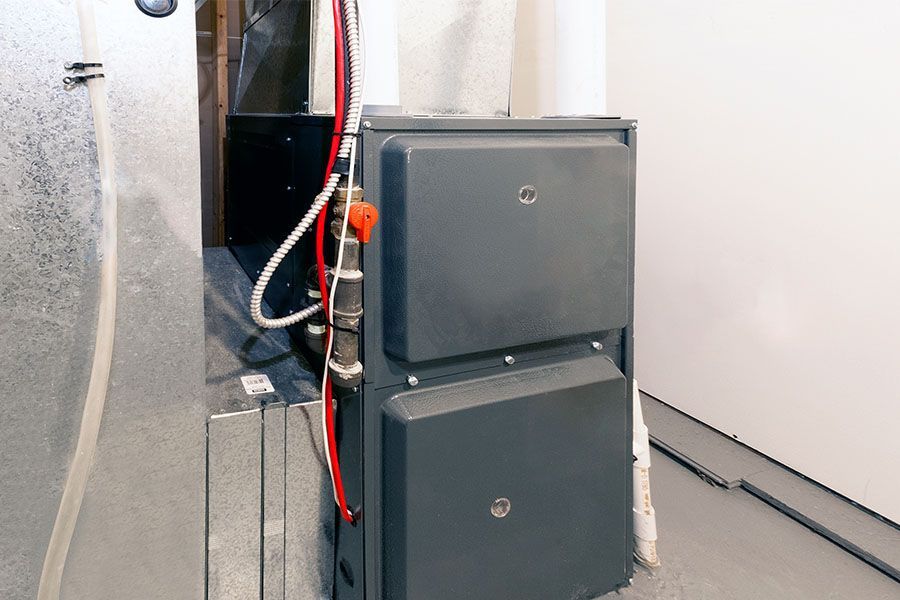
To improve your furnace efficiency in Riverside, CA, start by scheduling regular maintenance with Inland Empire Comfort. Remember to change your air filter monthly and seal ductwork to prevent heat loss. Installing a programmable thermostat can enhance your energy management, while proper insulation will help maintain warmth throughout your home. It's also essential to ensure proper ventilation to keep your indoor air quality high. If you're considering an upgrade, look into a high-efficiency furnace, and think about utilizing zoning systems for better temperature control. Keep a close eye on your energy consumption to identify areas for potential savings. There are plenty of strategies to stay warm and save money!
Schedule Regular Maintenance
When you schedule regular maintenance for your furnace, you enhance its efficiency and extend its lifespan. Regular check-ups help identify potential issues before they escalate into costly repairs.
When technicians inspect your system, they can clean components, tighten connections, and ensure everything operates smoothly. This proactive approach keeps your furnace running at peak performance, lowering energy bills and improving comfort levels in your home.
You'll also benefit from increased reliability. When the cold months hit, you want a furnace that's dependable. Regular maintenance helps prevent unexpected breakdowns, giving you peace of mind.
Plus, a well-maintained furnace runs more quietly, creating a more pleasant atmosphere in your home. In Riverside, CA, same-day emergency heating services ensures you can address any urgent issues promptly.
Prioritize your furnace's health today, and enjoy the benefits year-round.
Change Your Air Filter Frequently
Regular maintenance sets the foundation for ideal furnace performance, but changing your air filter frequently is equally important.
A clean air filter improves airflow, allowing your furnace to heat your home more efficiently. This efficiency not only leads to lower energy bills but also extends the lifespan of your unit.
It's advisable to check your air filter every month, particularly during periods of heavy use in colder months. If it appears dirty or clogged, replace it immediately.
While most filters generally require changing every three months, this can vary based on your specific system and the type of filter you utilize.
Choosing the right filter is also crucial; opt for high-efficiency options that capture more dust and allergens. Regular maintenance checks lower overall repair costs and help ensure your furnace operates at peak efficiency.
By staying on top of your filter changes, you'll ensure consistent heat flow, maintain indoor air quality, and ultimately enhance your furnace's efficiency.
Don't overlook this simple yet impactful task—trust Inland Empire Comfort for all your heating needs!
Seal Ductwork for Improved Airflow
Sealing your ductwork can greatly enhance your furnace's efficiency, as leaks can lead to substantial heat loss.
When air escapes through gaps or cracks, your furnace has to work harder to maintain a comfortable temperature, wasting energy and increasing your bills.
To get started, inspect your ductwork for visible leaks, especially in unconditioned spaces like attics or crawl spaces.
Utilizing mastic sealant or specialized duct tape can effectively seal these leaks.
Don't forget to check connections at vents and registers, as these areas are common culprits for air loss.
If you need professional assistance ensuring your ductwork is sealed properly, consider contacting Inland Empire Comfort for expert guidance and services. Regular maintenance services are also essential for improving air quality and HVAC efficiency.
Use a Programmable Thermostat
Using a programmable thermostat can significantly enhance your home's energy efficiency.
At Inland Empire Comfort, we recommend scheduling temperature adjustments to align with your daily routine, ensuring that energy isn't wasted when you're away.
This straightforward approach maximizes energy savings while maintaining a comfortable environment in your space. Additionally, routine maintenance can further optimize your furnace's performance and efficiency.
Schedule Temperature Adjustments
While managing your home's temperature might seem like a simple task, utilizing a programmable thermostat can greatly enhance your furnace's efficiency.
By scheduling temperature adjustments, you ensure your furnace runs only when needed, reducing unnecessary energy consumption. Set the thermostat to lower temperatures during the hours you're away or asleep, and program it to warm up the house before you return. This not only keeps you comfortable but also saves on energy bills.
Take advantage of features like vacation settings for extended absences. Regularly review your schedule to adapt to seasonal changes, guaranteeing your system operates effectively.
With a few adjustments, you'll enjoy a cozy home and improved furnace efficiency all winter long, all thanks to Inland Empire Comfort's expertise.
Maximize Energy Savings
To truly maximize energy savings in your home, take full advantage of your programmable thermostat. Set it to adjust temperatures automatically based on your schedule. For instance, lower the heat while you're at work or sleeping, and program it to warm your home just before you return. This prevents wasting energy when you don't need it.
Also, consider using the "away" mode when you're out for extended periods. Many thermostats allow you to control settings remotely, making it easy to make adjustments on the go.
Finally, regularly check and update your thermostat settings to align with seasonal changes. By effectively using your programmable thermostat, you can decrease your energy bills noticeably while maintaining comfort in your home.
For more expert advice on maximizing energy savings, look to Inland Empire Comfort.
Insulate Your Home Properly
To boost your furnace's efficiency, insulating your home properly is essential.
Start by sealing drafty areas, upgrading insulation materials, and checking your attic insulation.
These steps can help keep the warmth in and lower your energy bills.
For expert guidance and services, consider reaching out to Inland Empire Comfort for all your insulation needs.
Seal Drafty Areas
Drafty areas in your home can significantly affect your furnace's efficiency, resulting in higher energy bills and discomfort.
To address this issue, start by inspecting windows, doors, and outlets for any gaps or cracks. Utilize weatherstripping or caulk to seal these openings, effectively preventing warm air from escaping.
Don't overlook less obvious spots such as attic hatches and plumbing penetrations. Additionally, consider installing door sweeps to block drafts from underneath doors.
By tackling these drafty areas, you'll create a more comfortable living environment while enabling your furnace to operate more efficiently. This simple yet effective effort can lead to substantial savings on your energy bills and enhance overall home comfort, benefiting you and your family.
For professional assistance, Inland Empire Comfort is here to help you achieve a cozy and energy-efficient home.
Upgrade Insulation Materials
Sealing off drafty areas is just the first step toward maximizing your furnace's efficiency.
Next, it's important to upgrade your insulation materials. Proper insulation helps maintain a consistent temperature, reducing the workload on your furnace. Focus on high-quality materials like spray foam, fiberglass, or cellulose, which can greatly improve your home's thermal resistance.
Inspect areas like walls, floors, and basements for weak spots, and consider adding insulation where needed. Even small upgrades can make a significant difference.
If you're unsure about the best options for your home, Inland Empire Comfort can provide expert guidance.
Check Attic Insulation
One major area that often gets overlooked when insulating your home is the attic. Proper attic insulation is essential for maintaining your home's temperature and improving furnace efficiency.
If your attic isn't adequately insulated, heat can escape, making your furnace work harder. Start by checking the insulation levels; ideally, you want at least 12 inches of insulation.
If you find gaps or insufficient coverage, consider contacting Inland Empire Comfort to explore additional insulation options to prevent heat loss.
Also, inspect for any air leaks around vents and ducts—sealing these can further enhance efficiency.
Check and Clean the Blower Motor
Inspecting and cleaning the blower motor is an essential step in maintaining your furnace's efficiency. A clean blower motor ensures that air circulates smoothly throughout your home, preventing strain on the system and reducing energy costs.
Start by turning off the power to your furnace to guarantee safety. Then, access the blower compartment and inspect the motor for dust, debris, and any signs of wear. Use a soft brush or vacuum to remove any buildup, and check the motor's bearings for lubrication. If they're dry, add a few drops of oil to keep everything running smoothly.
Regular maintenance of the blower motor improves efficiency and extends the lifespan of your furnace. If you're uncomfortable performing this task yourself, don't hesitate to reach out to professionals. They can ensure your blower motor is in top shape, enhancing your home's comfort and efficiency.
Ensure Proper Ventilation
To keep your furnace running efficiently, it's essential to ensure proper ventilation.
Start by checking your air ducts for any blockages and maintaining your exhaust vents to prevent buildup.
This simple upkeep can greatly improve airflow and the overall performance of your heating system.
For expert assistance, consider reaching out to Inland Empire Comfort for professional support and guidance.
Check Air Ducts
While ensuring your furnace runs efficiently, don't overlook the importance of checking your air ducts. Clogged or damaged ducts can restrict airflow, making your system work harder and driving up energy costs.
Start by inspecting your ducts for visible dust buildup or leaks. Seal any gaps with duct tape or mastic to prevent air loss.
If you notice excessive dust in your home or inconsistent temperatures between rooms, it's a sign your ducts might need cleaning.
Consider scheduling a professional duct cleaning with Inland Empire Comfort every few years to maintain peak airflow.
Maintain Exhaust Vents
Properly maintaining your exhaust vents is essential for ensuring efficient furnace operation. Clogged or blocked vents can lead to dangerous gas buildup, reducing your furnace's efficiency and posing safety risks.
Regularly inspect your vents for debris, nesting animals, or any obstructions that may hinder airflow. Cleaning them out can greatly improve your furnace's performance and lifespan.
Ensure the external vent caps are clear of snow, leaves, or other blockages, especially during seasonal changes. If you notice any unusual odors or sounds, don't hesitate to contact a professional for assistance.
Upgrade to a High-Efficiency Furnace
Upgrading to a high-efficiency furnace can significantly lower your energy bills, particularly during the cold winters in Riverside.
These modern systems utilize advanced technology to convert more fuel into heat, enhancing your home's overall comfort while decreasing energy consumption. You'll likely see a noticeable reduction in your monthly utility costs and enjoy a warmer, cozier living environment.
When choosing a high-efficiency furnace, aim for models with an Annual Fuel Utilization Efficiency (AFUE) rating of 90% or higher. This rating indicates that 90% of the fuel consumed is effectively used for heating your home.
Many of these furnaces also come equipped with variable-speed blowers, which further improve comfort and efficiency.
Investing in a high-efficiency furnace is a wise decision for both your finances and the environment.
Be sure to consult with professionals to find the ideal system for your home, ensuring you get the most out of your investment.
Utilize Zoning Systems
After investing in a high-efficiency furnace, consider further enhancing your home's comfort by utilizing Inland Empire Comfort's zoning systems.
Zoning systems allow you to control the temperature in different areas of your home independently, meaning you can heat only the rooms you use, which reduces energy waste and saves on utility bills.
You can direct airflow to specific zones based on your family's needs by installing motorized dampers in your ductwork. For instance, you might prefer a warmer living room while keeping bedrooms cooler at night.
This tailored approach not only boosts comfort but also maximizes the efficiency of your furnace.
Additionally, smart thermostats can enhance your zoning system, enabling you to program different temperatures for various times of the day.
By embracing zoning systems, you'll create a more comfortable living environment while ensuring your high-efficiency furnace operates at its best.
For effective installation and guidance tailored to your home, contact the experts at Inland Empire Comfort.
Monitor Energy Consumption and Adjust Usage
While keeping your home cozy, monitoring your energy consumption and adjusting your usage accordingly is important. Start by checking your utility bills regularly to spot any unusual spikes in energy costs. This can help you identify patterns and areas where you might be wasting energy.
Consider investing in a smart thermostat; it can learn your schedule and optimize heating when you're home, reducing unnecessary energy use when you're away.
Tracking your furnace's performance is also essential. It might need maintenance if you notice it's running longer than usual. Regular filter changes can also improve efficiency.
Don't forget to seal drafts around windows and doors—this simple step can greatly reduce heating demands. For expert assistance and advice on maintaining your home's energy efficiency, Inland Empire Comfort is here to help.
Conclusion
Just like a well-tended garden flourishes, your furnace thrives with care and attention. You cultivate a warm haven in your home by nurturing it with regular maintenance and smart upgrades from Inland Empire Comfort, even as winter's chill creeps in. Each small effort you make, such as scheduling routine check-ups or implementing energy-efficient solutions, is like watering a seed, ensuring comfort blooms while keeping costs low. So, take these expert tips to heart, and watch your heating system transform into a reliable source of warmth, embracing you and your loved ones through the cold months.
You might also like
Inland Empire Comfort