10 Expert Tips for Proper Furnace Maintenance in Bloomington, CA
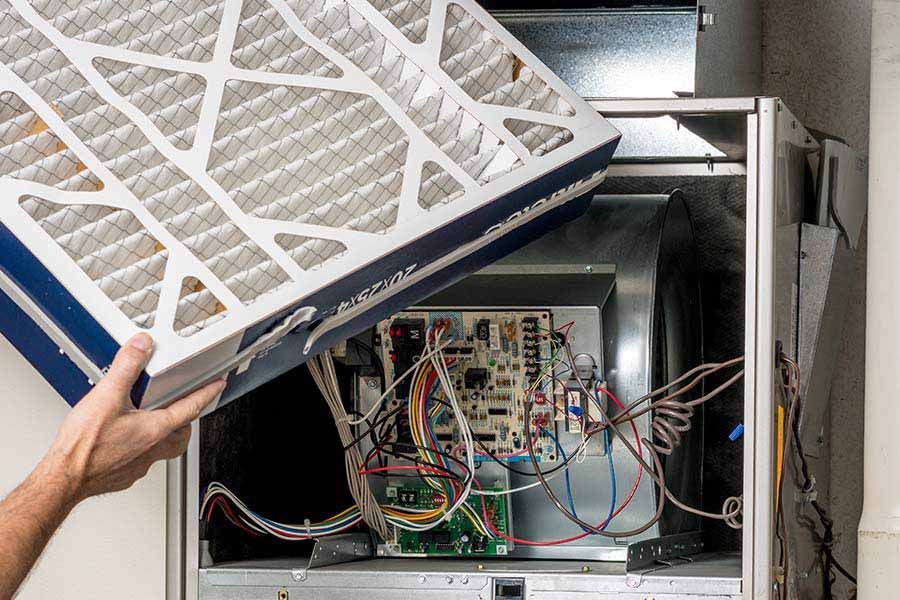
To ensure your furnace operates efficiently in Bloomington, CA, it's essential to follow some key maintenance practices. Start by regularly checking and replacing the air filter, inspecting the blower motor and fan, and keeping the furnace area clean. It's also important to test the thermostat functionality and schedule annual professional maintenance with a trusted provider like Inland Empire Comfort. Ensure your home has adequate insulation, and keep an ear out for any unusual noises that could indicate a problem. Additionally, maintaining clear vents and ducts will help optimize airflow and overall furnace efficiency. For more tips on enhancing your furnace's performance, consider reaching out to experts in the field!
Check and Replace the Air Filter Regularly
Since your furnace relies on clean air to operate efficiently, it's vital to check and replace the air filter regularly. A clogged filter restricts airflow, making your furnace work harder and potentially leading to costly repairs.
You should aim to inspect the filter at least once a month, especially during heavy use in winter. If it appears dirty or discolored, it's time to replace it.
Choose a filter that suits your furnace type and home needs. Some filters need replacement every few months, while others may last longer. Regular maintenance checks can lower overall repair costs, ensuring your system runs efficiently.
Keep track of when you change the filter, so you don't forget. For assistance and guidance on selecting the right filter, consider consulting with Inland Empire Comfort.
Inspect the Blower Motor and Fan
After ensuring your air filter is clean, it's time to focus on the blower motor and fan.
These components are crucial for your furnace's efficiency and performance. Regular inspection can help identify potential issues before they become costly repairs.
Here's what you should check:
- Listen for unusual noises: Grinding or squeaking sounds can signal a problem.
- Inspect for dust buildup: Dust can hinder performance and airflow.
- Check the motor's lubrication: Proper lubrication keeps the motor running smoothly.
- Ensure the fan blades are intact: Damaged blades can affect air circulation.
For thorough inspections and maintenance, consider reaching out to professionals who specialize in heating solutions, as expert technicians identify the core problem.
Clean the Furnace Area
To keep your furnace running smoothly, it's important to regularly clean the area around it. Clear out any clutter and ensure there's proper ventilation to prevent potential hazards. Additionally, check for any obstructions that could hinder its performance. Trust Inland Empire Comfort to provide guidance on maintaining a safe and efficient furnace space. Regular routine maintenance can also help prevent larger repairs down the line.
Clear Clutter Regularly
Maintaining a clear area around your furnace is crucial for both safety and efficiency. A tidy space ensures proper airflow and reduces fire hazards.
Here's how you can keep your furnace area organized:
- Remove any boxes, tools, or equipment stored nearby.
- Keep flammable materials like paper or fabric at least three feet away from the furnace.
- Regularly sweep or vacuum the area to eliminate dust and debris.
- Organize any necessary items in a designated storage spot, away from the furnace.
For more tips on maintaining a safe home environment, consider reaching out to experts in the field.
Maintain Proper Ventilation
Ensuring proper ventilation around your furnace is crucial for optimal performance and safety.
It's important to maintain a clean and clear area surrounding your furnace. Dust, debris, and other items can obstruct airflow, leading to inefficient operation and potential safety hazards. Regularly inspect the space to ensure that nothing is blocking the vents or exhaust pipes.
Additionally, avoid storing items near the furnace. This practice not only enhances safety but also facilitates easier access for technicians during maintenance or repairs.
By prioritizing proper ventilation, you'll help your furnace operate efficiently, extend its lifespan, and create a safer environment for your home.
Focus on this task to achieve the best heating performance throughout the season with the help of Inland Empire Comfort.
Check for Obstructions
After ensuring proper ventilation, it's time to check for obstructions in the area around your furnace.
Clearing this space is essential for efficient operation and safety. Here's what you should look for:
- Debris: Remove any dust, dirt, or clutter that may have accumulated.
- Furniture: Verify that no furniture is blocking vents or airflow.
- Flammable materials: Store away any chemicals, paper, or other combustibles.
- Access: Keep the area clear for easy access during maintenance or emergencies.
Regularly inspecting and cleaning the furnace area helps prevent overheating and potential hazards.
Taking these steps can contribute to the longevity of your furnace, ensuring it runs smoothly when you need it most.
For assistance with maintenance or any heating needs, consider reaching out to Inland Empire Comfort.
Test the Thermostat Functionality
To keep your furnace running efficiently, it's crucial to test your thermostat's functionality.
Start by checking its temperature accuracy; you want it to match the actual room temperature. If it's off, calibrating the settings regularly can help maintain a comfortable environment in your home. For reliable service and support, consider reaching out to experts who can assist with your thermostat testing and overall HVAC needs. Additionally, consulting with expert technicians can provide valuable insights into optimizing your heating system's performance.
Check Temperature Accuracy
Testing your thermostat's functionality is vital for maintaining a comfortable home environment.
To guarantee your heating system operates efficiently, regularly check the temperature accuracy of your thermostat. Here's how you can do it:
- Compare readings: Use a separate thermometer to compare the temperature with your thermostat's reading.
- Adjust settings: If there's a discrepancy, adjust the thermostat settings to match the accurate temperature.
- Check placement: Confirm your thermostat isn't near drafts, windows, or heat sources, which can affect its readings.
- Replace batteries: If you have a battery-operated thermostat, replace the batteries to avoid malfunctions.
For any further assistance or professional help, consider reaching out to Inland Empire Comfort.
Calibrate Settings Regularly
Regularly calibrating your thermostat settings ensures that your heating system operates efficiently, maintaining comfort in your home while keeping energy bills manageable.
Begin by verifying the accuracy of your thermostat, as even minor discrepancies can lead to significant energy waste. Use a separate thermometer to compare readings; if they don't match, make the necessary adjustments. It's a good practice to recalibrate at least once per season, particularly before winter.
Additionally, consider upgrading to a programmable or smart thermostat for enhanced convenience and energy savings. These advanced devices allow you to set schedules and monitor usage remotely, ensuring your home remains at the ideal temperature without incurring unnecessary energy costs.
Proper calibration not only enhances comfort but also extends the lifespan of your furnace. For expert assistance, you can rely on Inland Empire Comfort to help with your heating needs.
Schedule Annual Professional Maintenance
While it might be tempting to overlook your furnace until winter, scheduling annual professional maintenance is crucial for ensuring its efficiency and longevity. By investing in this service, you'll not only improve your furnace's performance but also extend its lifespan.
Here are some key benefits of annual maintenance:
- Identifies potential issues early, preventing costly repairs down the line.
- Improves energy efficiency, which can lower your utility bills.
- Enhances safety by ensuring all components are functioning correctly.
- Maintains manufacturer warranty, as many require regular servicing.
Don't wait until winter's chill sets in. Reach out to a trusted HVAC professional to schedule your maintenance appointment today.
With experts in the field, you can rest assured that your furnace will be in great shape when you need it most.
Prioritize your comfort and safety by making this commitment annually!
Examine the Exhaust Flue
When it comes to your furnace, examining the exhaust flue is essential for safe operation.
It's important to inspect for blockages, check for any leaks, and ensure proper ventilation.
Taking these steps helps maintain efficiency and keeps your home safe from harmful gases.
For expert assistance, consider relying on a trusted local provider to ensure your furnace is operating safely and effectively.
Inspect for Blockages
To ensure your furnace operates efficiently, it's essential to inspect the exhaust flue for any blockages. A clear flue guarantees proper venting of gases, which is critical for your safety and the furnace's performance.
Here are a few things to check during your inspection:
- Bird nests or debris: Look for any obstructions that could block airflow.
- Snow or ice buildup: Seasonal weather can create blockages that might go unnoticed.
- Corrosion or damage: Inspect the flue for signs of wear that could affect its integrity.
- Ventilation connections: Verify all joints and connections are secure and not leaking.
For a thorough inspection and maintenance of your furnace, trust the experts at Inland Empire Comfort.
Check for Leaks
One of the most important steps in maintaining your furnace is checking for leaks in the exhaust flue. A compromised flue can lead to dangerous gas leaks, putting your safety at risk.
Start by inspecting the flue for any visible signs of damage, such as cracks or corrosion. Don't forget to look for loose connections that may allow exhaust gases to escape.
If you spot any issues, it's vital to address them immediately—don't attempt to patch things up yourself. Instead, reach out for professional assistance to ensure your furnace is safe and efficient.
Ensure Proper Ventilation
After checking for leaks, confirming proper ventilation is the next step in furnace maintenance. Proper ventilation helps expel harmful gases and improves system efficiency.
Make sure to examine the exhaust flue regularly. Here are some key points to reflect on:
- Inspect for blockages: Ensure there's nothing obstructing the flue, such as debris or ice.
- Check for corrosion: Look for rust or deterioration that may indicate a problem.
- Verify connections: Make sure all joints are secure and sealed to prevent leaks.
- Schedule professional inspections: Regular check-ups by a qualified technician can catch issues early.
For comprehensive furnace maintenance, consider reaching out to Inland Empire Comfort for expert services and guidance.
Ensure Proper Insulation
Proper insulation is crucial for maintaining a comfortable home, especially during extreme weather conditions. When your home is properly insulated, it helps keep warm air in during winter and blocks heat in summer, reducing the workload on your furnace.
Start by checking your attic and walls for adequate insulation levels. If you notice gaps or thin areas, consider adding insulation to boost your home's energy efficiency with the help of Inland Empire Comfort.
Don't forget about windows and doors, as drafts can greatly impact your comfort. Installing weather stripping or caulking around these areas can make a significant difference.
Additionally, check your basement and crawl spaces for insulation; uninsulated areas can lead to heat loss. By ensuring proper insulation, you not only improve your comfort but also save on energy bills and extend your furnace's lifespan.
Regularly inspecting and updating your insulation can lead to a cozier, more efficient home year-round, and Inland Empire Comfort can assist you in achieving that goal.
Monitor Furnace Efficiency
Monitoring your furnace's efficiency is essential for maintaining a comfortable home and reducing energy bills.
To ensure your system operates at its peak performance, regularly check these key indicators:
- Thermostat Settings: Verify that your thermostat is set correctly and calibrated for precise readings.
- Air Filter Condition: Replace or clean your air filter every 1-3 months to avoid airflow restrictions.
- Energy Consumption: Keep an eye on your energy bills for any unusual spikes that could indicate inefficiency.
- Heating Performance: Notice how quickly your furnace heats your home; slow performance may indicate an underlying issue.
For expert assistance and maintenance services, trust Inland Empire Comfort to help keep your furnace running efficiently.
Listen for Unusual Noises
While monitoring your furnace's performance, it's vital to listen for any unusual noises that could signal potential issues.
If you hear banging, clanking, or rattling sounds, these might indicate loose or damaged components. Don't ignore high-pitched squeals, as they could suggest worn-out belts or bearings needing immediate attention. A hissing noise might point to a gas leak, which is a serious safety concern that requires professional help right away.
It's important to take note of any changes in sound patterns as they can help diagnose problems early, preventing costly repairs down the line.
If your furnace starts making unfamiliar noises, it's wise to reach out to Inland Empire Comfort for a thorough inspection. By staying attentive to these auditory cues, you can ensure your furnace operates efficiently and safely throughout the heating season.
Your comfort and peace of mind depend on it!
Keep Vents and Ducts Clear
After addressing any unusual noises from your furnace, it's crucial to ensure that your vents and ducts are clear. Blocked vents can lead to reduced efficiency and uneven heating in your home.
Here are some steps you can take to keep your system running smoothly, with the expertise of Inland Empire Comfort:
- Regularly check and clean the vents for dust, debris, or furniture obstructions to maintain optimal airflow.
- Schedule professional duct cleaning with Inland Empire Comfort every few years to remove built-up contaminants.
- Confirm that all vents are open and unobstructed, allowing for proper airflow throughout your home.
- Inspect your ductwork for leaks, as these can waste energy and diminish your system's effectiveness.
For comprehensive support in maintaining your heating system, consider reaching out to Inland Empire Comfort.
Conclusion
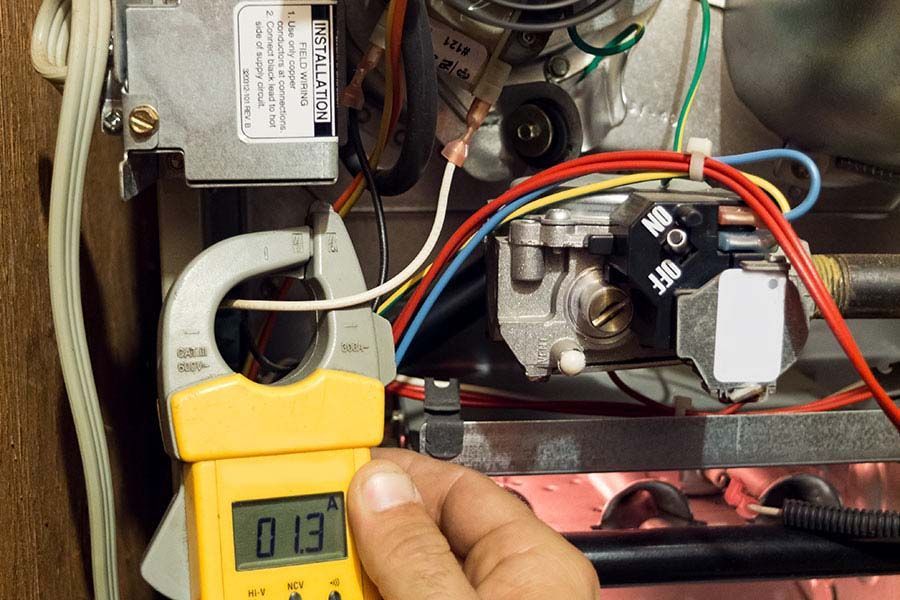
By following these tips, you're not just maintaining your furnace; you're nurturing the heart of your home. Think of your furnace like a loyal companion—when you care for it, it keeps you warm and comfortable, but neglect it, and it might leave you out in the cold. Just as you wouldn't skip your pet's checkup, don't overlook your furnace. Regular maintenance will ensure it serves you well through the winter, keeping your family cozy and safe. For expert assistance, consider reaching out to a trusted local provider like
Inland Empire Comfort to help you with your furnace care.
You might also like
Inland Empire Comfort