How to Clean a Furnace Heat Exchanger: A Complete Guide for Woodcrest Property Owners
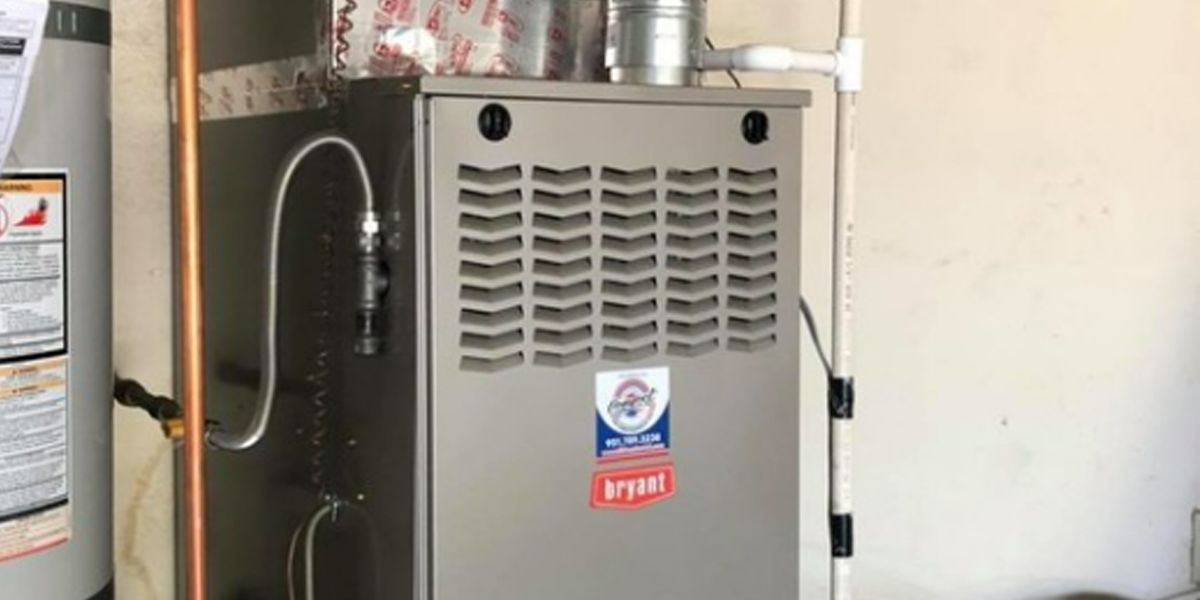
Ongoing maintenance is an integral part of keeping your furnace functioning flawlessly. Experts performing professional annual tune-ups must know how to clean a furnace heat exchanger. Inland Empire Comfort’s expert technicians frequently tidy this component during heating services in Woodcrest, CA.
How do we do it? And why is the heat exchanger such a vital furnace component? Let’s explore these and other questions below.
What Does a Heat Exchanger Do?
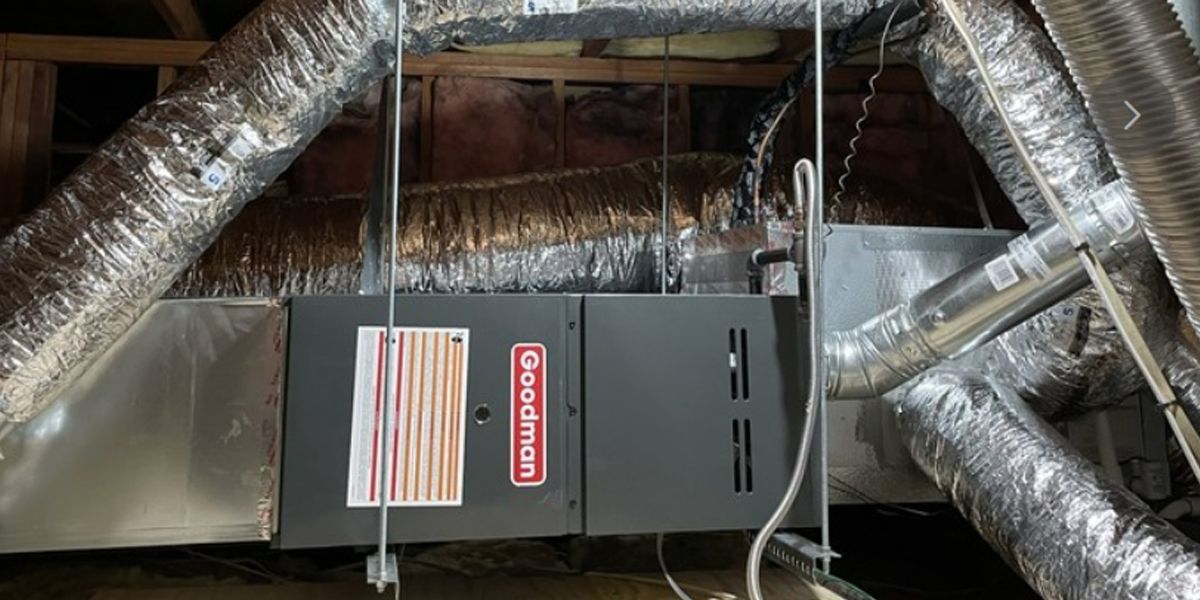
Your furnace’s fuel supply creates the heat, but what moves that warmth into your ductwork for transfer into each room? The heat exchanger handles that task. Located just above the combustion chamber, the exchanger absorbs the heat that the ignition process creates.
Then, it moves that warmth toward the blower compartment, where the blower motor pushes the warm air into the duct network. Since the exchanger works directly with the combustion components, it can develop soot buildup. This hinders its performance and can make for potentially dangerous heating cycles.
When Does Your Heat Exchanger Need a Cleaning? Warning Signs for Woodcrest Homeowners
How can you tell that your heat exchanger needs a deep clean? Our customers sometimes report the following concerns when they call us for furnace assistance:
- Black dust around the furnace panels: Excessive soot can spread to the furnace unit’s exterior, leaving a powdery black substance coating the panels.
- Pungent smells coming from the vents: Stressed exchangers may emit a sharp, acidic odor that makes its way into different rooms.
- Utility bill spikes: You generally know what to expect when you open that monthly envelope. But you need someone who knows how to clean the furnace heat exchanger when energy costs rise sharply.
- Poor heating performance: The rooms farthest from the furnace unit might feel much cooler than the closer ones.
- Carbon monoxide detector alarms: Scariest of all, carbon monoxide detectors start alerting building occupants to the presence of this noxious, deadly gas.
Your HVAC company in Woodcrest, California, knows how to clean a furnace heat exchanger to protect you from discomfort and possible danger.
How To Clean the Furnace Heat Exchanger in Four Steps
While heat exchanger cleanings are fairly simple, you should leave them to your designated HVAC technician. The process involves handling a sensitive component, and a lot of things can go wrong if an unskilled individual tries to tidy them.
Check out the basic process that professionals follow.
1. Gather Necessary Cleaning Tools
What might your technician bring to your property in Woodcrest, California? Their toolbox might contain:
- Personal protective equipment: Gloves, goggles, and a face mask protect the technician from char and soot. They may also have a flashlight for visibility.
- Soft-bristled brush: Heat exchangers are delicate and require gentle cleaning materials.
- Can of compressed air: This product gets into the cracks without force.
- Mild detergent: You need something to lift stubborn soot off the component.
- Disposable cloths: The technician needs an absorbent material to soak up leftover water and soap.
- Vacuum cleaner with hose connections: Cleaning the heat exchanger can leave a mess.
- Screwdriver or drill: This tool accesses and removes the exchanger from the furnace interior.
2. Power Down the Furnace
If your technician has all the needed tools on hand, they’ll start by practicing some basic safety precautions. Understanding how to clean the furnace heat exchanger starts with shutting the HVAC system down. Then, the technician will turn off the power to prevent electrical shock.
3. Remove the Panel
Using the screwdriver, your technician will remove the panel that covers the furnace’s interior components. Then, they’ll take the heat exchanger out of the furnace for the cleaning service. They will keep the screws in a secure place until they need them again.
4. Wipe and Vacuum the Area
Your HVAC technician starts by using the brush tool to knock surface debris loose. Then, they insert the nozzle attached to the can of compressed air into the heat exchanger’s tiny openings, blowing out soot they couldn’t access otherwise. Your technician will also soak the exchanger in warm water and the detergent if it looks particularly dirty.
Once it dries, they wipe it down with the soft, clean rags. The vacuum cleaner sucks up the filth that fell on the floor surrounding the worksite. Then, the technician can put the heat exchanger back in its place and restart the furnace.
Conclusion
You have a lot on your plate, but don’t let heating maintenance slip through the cracks. By following this guide, you’re ensuring comfort and safety and saving money on unexpected repairs. It may seem challenging, but you’re becoming a more knowledgeable homeowner with each task. Embrace this responsibility, and your heating system will reward you with reliability and efficiency. Trust in your ability to manage these tasks, and enjoy a warm, worry-free home.
Frequently Asked Questions
How Often Should Air Filters Be Replaced in a Heating System?
You should replace air filters in your heating system every 1-3 months. This guarantees peak performance and air quality. Regular maintenance reduces energy costs and extends your system’s lifespan, helping you serve your household better.
What Are the Signs of a Malfunctioning Thermostat?
You might notice inconsistent temperatures, unresponsive settings, or unexpected shutdowns. These signs suggest a malfunctioning thermostat. Check for wiring issues or replace the unit to guarantee your heating system serves efficiently, keeping everyone comfortable and safe.
Can Pests Affect the Performance of a Heating System?
Pests can wreak havoc on your heating system, causing blockages, chewed wires, and insulation damage. Regular inspections and pest-proofing your home help maintain efficiency, ensuring your system serves you and your household effectively during chilly seasons.
Are There Benefits to Using a Smart Thermostat for Seasonal Maintenance?
A smart thermostat streamlines seasonal maintenance by optimizing energy efficiency, scheduling system checks, and alerting you to issues. You’ll guarantee your heating system operates smoothly, saving energy and enhancing comfort for those you serve.
How Do I Prevent Mold Growth in My Heating System?
Did you know mold affects 70% of HVAC systems? To safeguard against it, regularly change filters, clean ducts, and guarantee proper ventilation. By doing so, you’ll protect your home and family from harmful allergens.
You might also like
Inland Empire Comfort