The Ultimate Guide to Seasonal Heating Maintenance: Tips for Every Homeowner
Heating maintenance is time-consuming, but with the proper guidance, it becomes straightforward and beneficial. Understanding your heating system’s components and conducting seasonal checks are key steps to guarantee it runs efficiently and lasts longer. Imagine effortlessly shifting from winter’s chill to summer’s warmth while keeping your energy bills in check. This guide offers practical tips on thermostat settings, filter replacements, and more tailored to each season. Ready to discover what each part of the year requires and how small actions can lead to significant savings? Let’s explore the essentials together.
Understanding Your Heating System
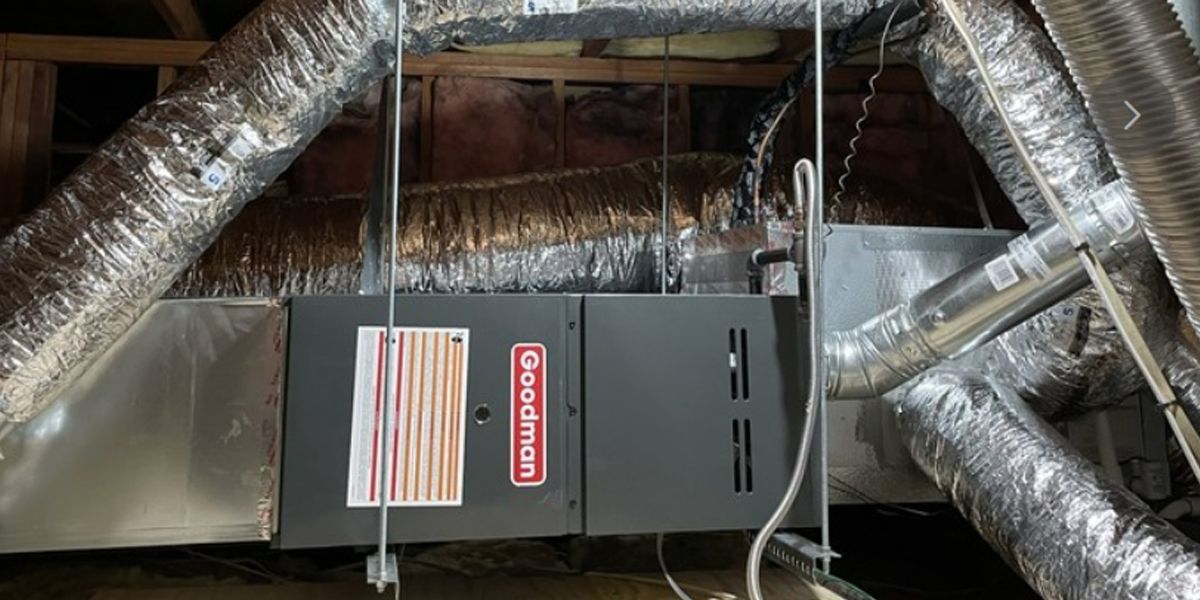
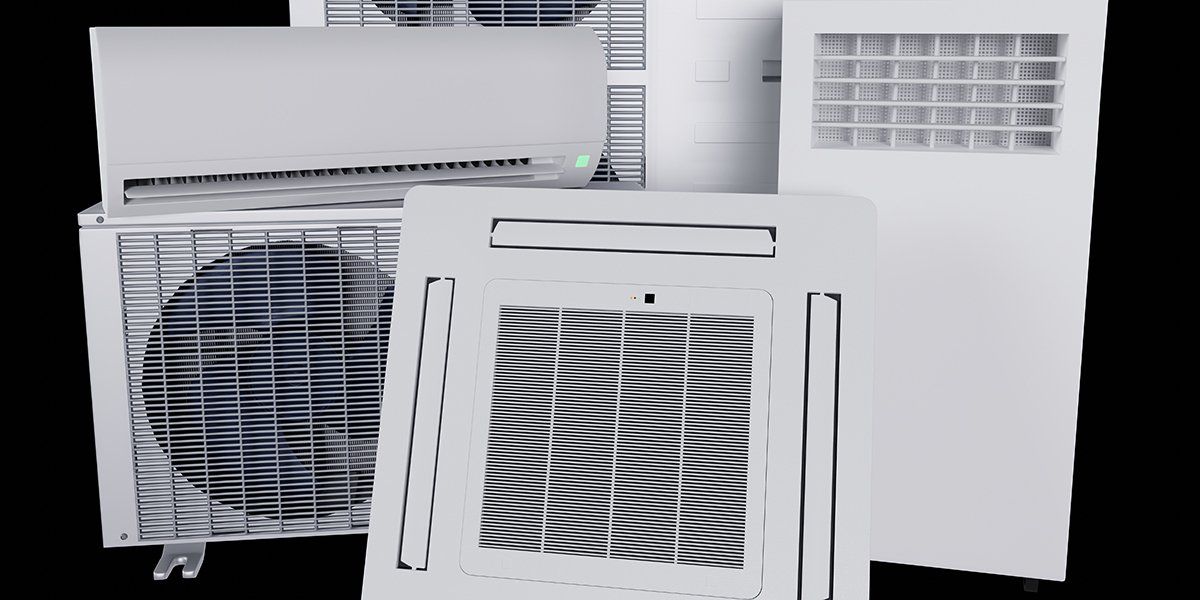
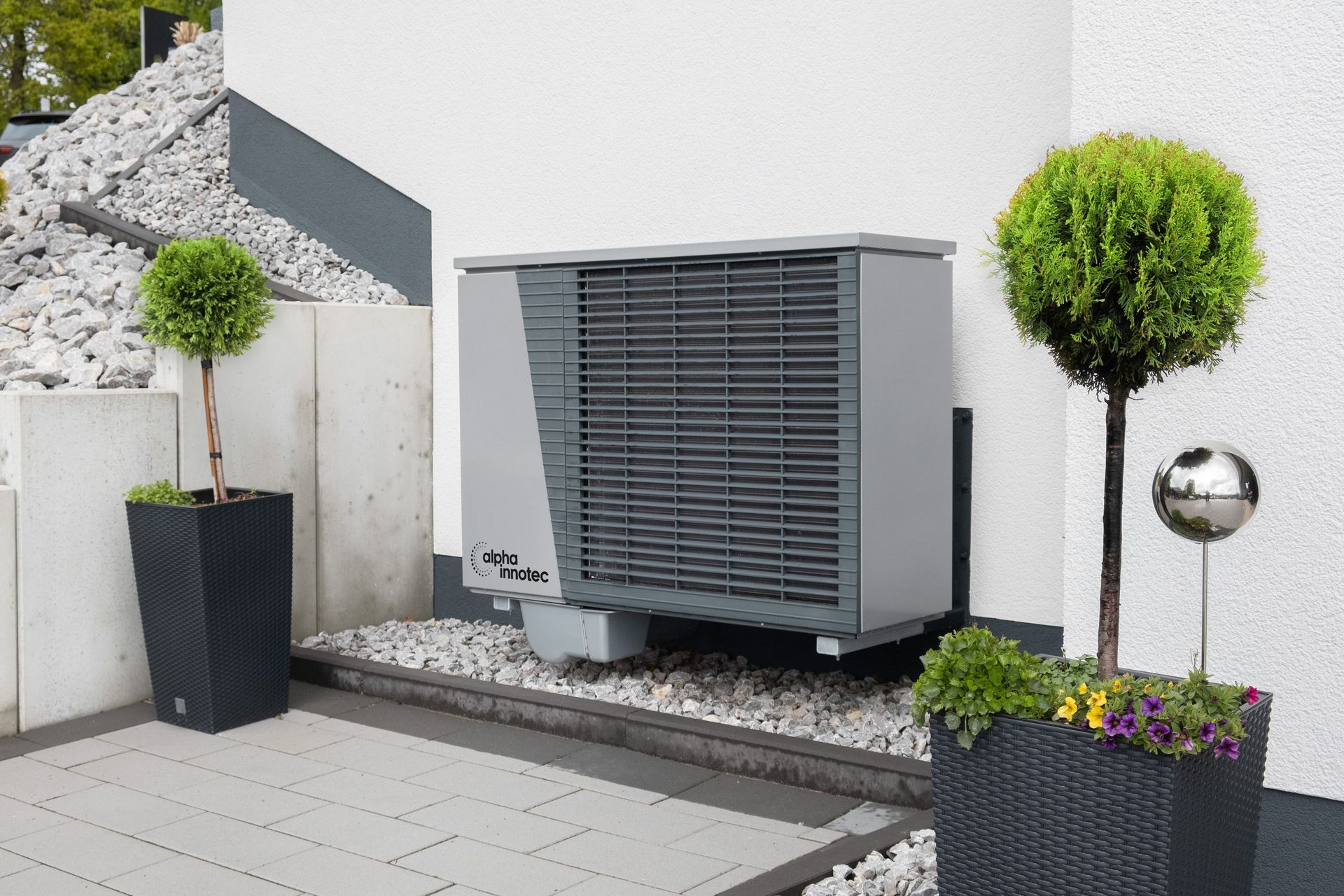
To effectively maintain your heating system, you must first identify its type and understand its key components. Determine whether you have a furnace, boiler, heat pump, or radiant heating. Each type has unique parts: furnaces have burners and heat exchangers, boilers contain water tanks and pipes, heat pumps include compressors and refrigerant lines, and radiant systems use panels or tubes. Knowing these specifics enables you to troubleshoot issues efficiently, ensuring warmth for those you care for.
Familiarize yourself with the thermostat, airflow system, and fuel source. Inspect filters, ducts, and vents regularly to prevent blockages or contamination. This proactive approach minimizes breakdowns and energy waste, allowing you to provide a reliable, comfortable environment. Your diligence directly impacts others’ well-being, demonstrating your commitment to their comfort.
Preparing for Winter
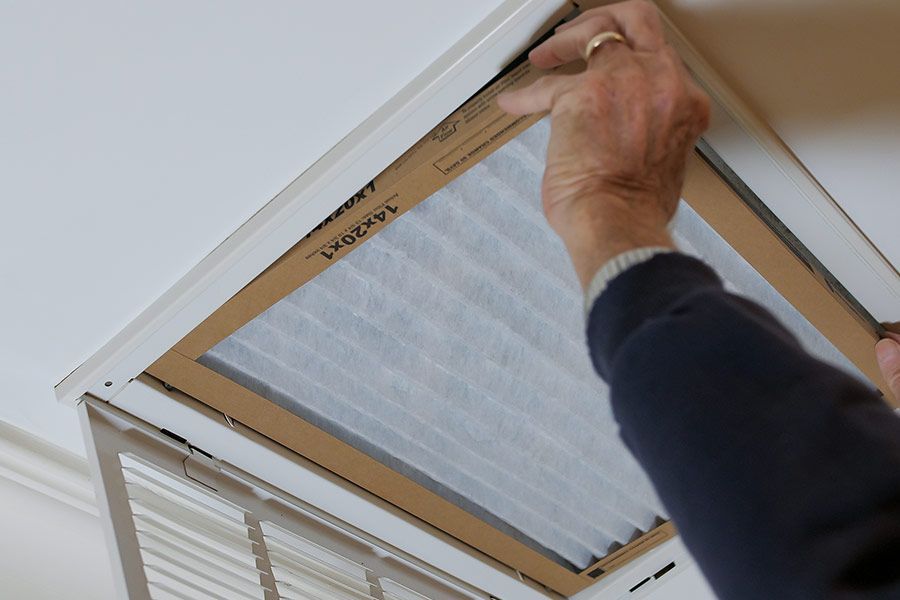
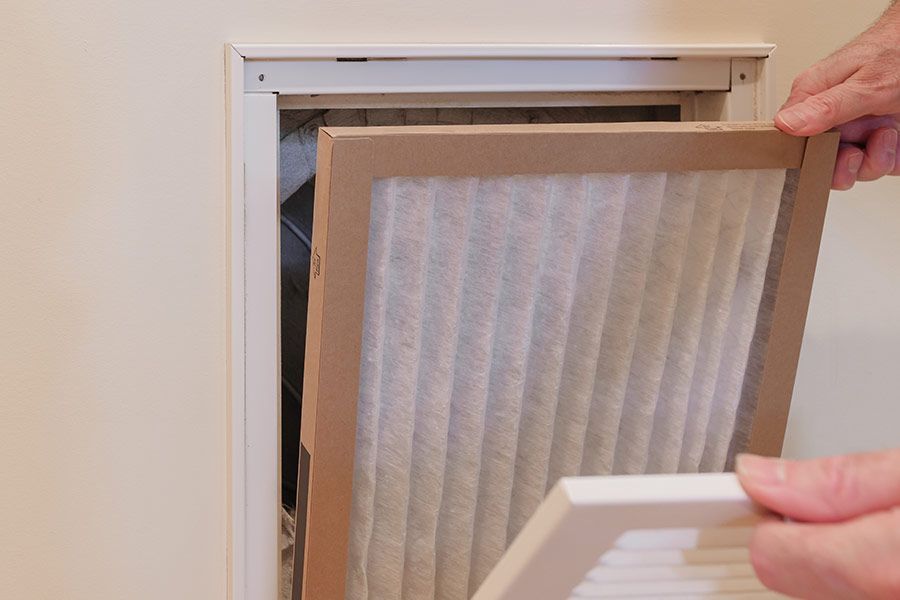
Now that you understand your heating system’s components, focus on inspecting and optimizing its performance before winter’s chill sets in. Begin by checking the thermostat settings to confirm accuracy and responsiveness. Replace air filters to enhance airflow and efficiency, and inspect ductwork for any leaks or blockages that could impede heat distribution. Lubricate moving parts like blower motors to reduce friction and extend their lifespan. Examine vents and registers, ensuring they’re unobstructed and clean for best heat circulation.
Test carbon monoxide detectors to verify they’re operational, safeguarding your household’s safety. Bleed radiators to release trapped air and improve heating efficiency if your system uses them. Finally, schedule a professional inspection to address complex issues and ensure your system is prepared to keep everyone warm all season.
Spring Maintenance Essentials
As winter fades, conduct a detailed inspection of your heating system to identify and address any wear or issues that may have developed during the colder months. Begin by examining filters; clean or replace them to guarantee ideal airflow. Inspect ducts for leaks or obstructions, ensuring they’re sealed and clear. Check the thermostat’s accuracy, recalibrating if necessary, to maintain energy efficiency. Examine the blower motor, lubricating it as needed to prevent mechanical failures. Inspect electrical connections for corrosion or looseness, tightening or replacing as appropriate. Don’t forget to evaluate the combustion chamber for soot buildup and clean it to ensure safety and efficiency. By performing these tasks, you’re maintaining your system and safeguarding comfort and well-being in your home.
Summer Care Tips
With spring maintenance complete, focus on summer care by adjusting the system settings to optimize cooling efficiency while ensuring all components are in peak condition. Start by calibrating your thermostat to reflect warmer temperatures. This simple step prevents unnecessary strain on the unit and reduces energy costs. Inspect your air filters monthly and clean or replace them as needed. A clean filter enhances airflow and improves air quality, benefiting everyone in your home.
- Seal Duct Leaks: Check for leaks in ductwork and seal them to prevent cooling loss and maintain system efficiency.
- Analyze System Performance: Monitor the system’s performance and listen for unusual noises that may indicate mechanical issues.
- Precise Outdoor Units: Ensure the outdoor unit is debris-free and has adequate clearance for top function.
Fall System Check-Up
Conduct a thorough inspection of your heating system in the fall to guarantee it’s operating at peak efficiency before the cold weather sets in. Start by checking the thermostat settings to ensure they’re accurate and responsive. Examine the furnace or boiler, inspecting components like burners and heat exchangers for signs of wear or corrosion. Replace any worn-out parts to avoid unexpected failures. Clean and clear vents and ducts to maximize airflow and improve energy efficiency. Confirm all safety controls, including limit switches and pressure relief valves, are functioning correctly. Pay attention to unusual noises or odors that could indicate underlying issues. Addressing these tasks ensures your heating system is ready to provide comfort and safety for those you serve.
DIY Maintenance Tasks
After guaranteeing your heating system’s professional check-up, tackle DIY maintenance tasks by regularly replacing air filters and checking for blockages in vents to enhance performance and efficiency. Doing so will ensure that your system runs smoothly and keeps your home comfortable. Here’s how you can address common issues:
- Inspect Thermostat Settings: Ensure your thermostat is set to ideal temperatures and functioning correctly to avoid unnecessary energy consumption.
- Seal Air Leaks: Check around windows and doors for drafts. Sealing these can prevent heat loss and improve system efficiency.
- Clean Furnace Area: Keep the area around your furnace free of dust and debris to maintain airflow and prevent potential hazards.
By performing these tasks, you’ll preserve your heating system and serve your household with warmth and care.
Professional Service Needs
To ensure your heating system operates at peak efficiency, schedule a professional service to inspect and tune critical components like the heat exchanger and blower motor. These experts will meticulously assess each part, ensuring no cracks or wear could compromise safety or function. They’ll also check the ignition system, calibrate the thermostat, and verify the ventilation for the best airflow.
Professionals possess the skills to detect potential issues before they become costly repairs, saving you time and trouble in the long run. They’ll also clean and lubricate essential components, enhancing system longevity and reliability. By investing in professional maintenance, you protect your household and contribute to a safer, more comfortable environment for those you care about.
Energy Efficiency Improvements
Enhancing energy efficiency in your heating system involves optimizing insulation, upgrading to a programmable thermostat, and ensuring ductwork is properly sealed to reduce heat loss and improve overall performance. Start by examining your home’s insulation. Proper insulation minimizes heat escaping, helping you maintain a comfortable environment while reducing energy usage. Upgrade to a programmable thermostat to tailor heating schedules around your daily routine, ensuring ideal comfort and efficiency.
Inspect your ductwork for leaks or disconnections that could lead to energy waste. Proper sealing prevents warm air from escaping, ensuring your system operates effectively. Consider these steps:
- Seal gaps: Use weatherstripping or caulk to seal leaks around doors and windows.
- Thermostat placement: Install it away from drafts and direct sunlight.
- Ductwork inspection: Regularly check for and repair any leaks.
Common Heating Issues
As you work on boosting energy efficiency in your heating system, it’s equally important to identify and address common heating issues like uneven heating, strange noises, or increased energy bills that might indicate underlying problems. Start by inspecting your thermostat settings. Verify they’re correctly programmed and functioning. Check for blocked vents that might cause uneven heating. Listen for unusual sounds—rattling or banging could suggest loose parts or duct issues. Monitor your energy usage; sudden increases might mean the system is overworking due to clogged filters or worn components.
Regularly clean or replace air filters to maintain airflow and efficiency. Inspect ductwork for leaks and seal them to prevent heat loss. By addressing these issues promptly, you’ll ensure a comfortable and efficient home environment.
Long-Term Maintenance Planning
Developing a thorough long-term maintenance plan for your heating system involves scheduling regular inspections, prioritizing component upgrades, and anticipating potential issues to guarantee peak performance and longevity. To serve others effectively, ensure each plan element is meticulously crafted. Start by coordinating annual inspections with a certified HVAC professional who can identify inefficiencies or wear. Upgrade essential components like thermostats and filters to improve energy efficiency and reliability.
Consider these key actions for a holistic approach:
- Set reminders: Schedule alerts for maintenance tasks to avoid overlooking critical updates.
- Document repairs: Keep records of past repairs and replacements to track system health.
- Budget for upgrades: Allocate funds for future improvements, ensuring your system remains state-of-the-art.
Conclusion
You have a lot on your plate, but don’t let heating maintenance slip through the cracks. By following this guide, you’re ensuring comfort and safety and saving money on unexpected repairs. It may seem challenging, but you’re becoming a more knowledgeable homeowner with each task. Embrace this responsibility, and your heating system will reward you with reliability and efficiency. Trust in your ability to manage these tasks, and enjoy a warm, worry-free home.
Frequently Asked Questions
How Often Should Air Filters Be Replaced in a Heating System?
You should replace air filters in your heating system every 1-3 months. This guarantees peak performance and air quality. Regular maintenance reduces energy costs and extends your system’s lifespan, helping you serve your household better.
What Are the Signs of a Malfunctioning Thermostat?
You might notice inconsistent temperatures, unresponsive settings, or unexpected shutdowns. These signs suggest a malfunctioning thermostat. Check for wiring issues or replace the unit to guarantee your heating system serves efficiently, keeping everyone comfortable and safe.
Can Pests Affect the Performance of a Heating System?
Pests can wreak havoc on your heating system, causing blockages, chewed wires, and insulation damage. Regular inspections and pest-proofing your home help maintain efficiency, ensuring your system serves you and your household effectively during chilly seasons.
Are There Benefits to Using a Smart Thermostat for Seasonal Maintenance?
A smart thermostat streamlines seasonal maintenance by optimizing energy efficiency, scheduling system checks, and alerting you to issues. You’ll guarantee your heating system operates smoothly, saving energy and enhancing comfort for those you serve.
How Do I Prevent Mold Growth in My Heating System?
Did you know mold affects 70% of HVAC systems? To safeguard against it, regularly change filters, clean ducts, and guarantee proper ventilation. By doing so, you’ll protect your home and family from harmful allergens.
You might also like
Inland Empire Comfort