Heat Pump Maintenance Tips to Keep Your System Running Efficiently Year-Round
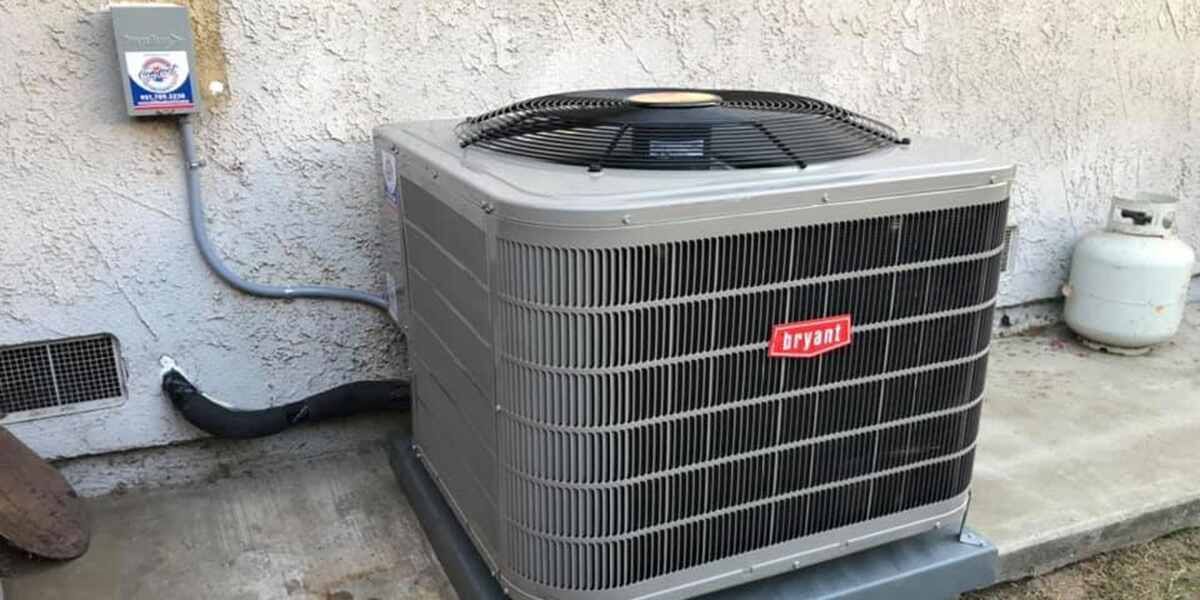
Maintaining your heat pump throughout the year doesn’t have to be overwhelming, but a little guidance goes a long way. You’ve probably heard that regular inspections and cleaning are crucial, but how often do you really need to do these tasks? And what should you look for during those inspections? By understanding the essential steps like replacing air filters, clearing debris, and monitoring performance, you can prevent costly repairs and keep your system efficient. Let’s explore the specific actions you can take to ensure your heat pump remains in top condition, starting with the most overlooked yet impactful practices.
Schedule Regular Professional Inspections
For essential performance and to extend the lifespan of your heat pump, it is vital to schedule regular professional inspections at least once a year. A qualified technician will meticulously examine components like the compressor, refrigerant lines, and electrical connections during these inspections. They’ll identify any signs of wear or potential issues that could impair the system’s efficiency or lead to costly breakdowns. Addressing these concerns early guarantees that your heat pump operates smoothly, providing consistent comfort to those you serve. Additionally, technicians can calibrate the thermostat and check the system’s airflow, which are critical steps for maintaining energy efficiency. Prioritizing these inspections enhances system reliability and aligns with your commitment to offering a comfortable, efficient environment.
Clean or Replace Air Filters
Regularly clean or replace your heat pump’s air filters to guarantee proper airflow and efficiency according to the manufacturer’s recommendations. This simple maintenance task greatly impacts your system’s performance and longevity. Clogged filters can restrict airflow, causing the system to work harder and consume more energy. Here’s how you can promote peak function:
- Check filters monthly: Dust and debris accumulate quickly, especially in high-use periods.
- Use the correct filter type: Always refer to the manufacturer’s guide to select appropriate filters, as different models may require specific types.
- Replace filters every 1-3 months: If they’re reusable, ensure thorough cleaning.
Inspect and Clean Coils
After confirming that your filters are clean, focus on inspecting and cleaning the coils to maintain peak heat exchange efficiency in your heat pump system. Begin by turning off the power to the unit for safety. Locate the evaporator and condenser coils, typically found inside the indoor and outdoor units. Use a soft brush or vacuum cleaner to remove dust and debris gently. For stubborn dirt, apply a coil cleaner, following the manufacturer’s instructions, and rinse with water if necessary. Make sure the coils are completely dry before restoring power. Regular coil maintenance enhances performance and extends the system’s lifespan, enabling you to efficiently serve others with a reliable heating and cooling solution year-round.
Check Refrigerant Levels
Guaranteeing your heat pump’s refrigerant levels is essential for peak system performance and energy efficiency. Low refrigerant levels can impede the heat pump’s ability to transfer heat, leading to increased energy consumption and reduced comfort for those you serve. Regularly checking and maintaining these levels guarantees your system operates smoothly. Here’s what you should do:
- Monitor for leaks: Listen for hissing sounds or check for oil stains around the unit, which could indicate a refrigerant leak.
- Evaluate cooling performance: If the air isn’t as cool as expected, it might indicate low refrigerant levels.
- Consult professionals: Engaging a certified HVAC technician to check and refill refrigerant guarantees the right type and amount are used.
Taking these steps helps maintain a reliable heat pump for year-round comfort.
Clear Debris Around Unit
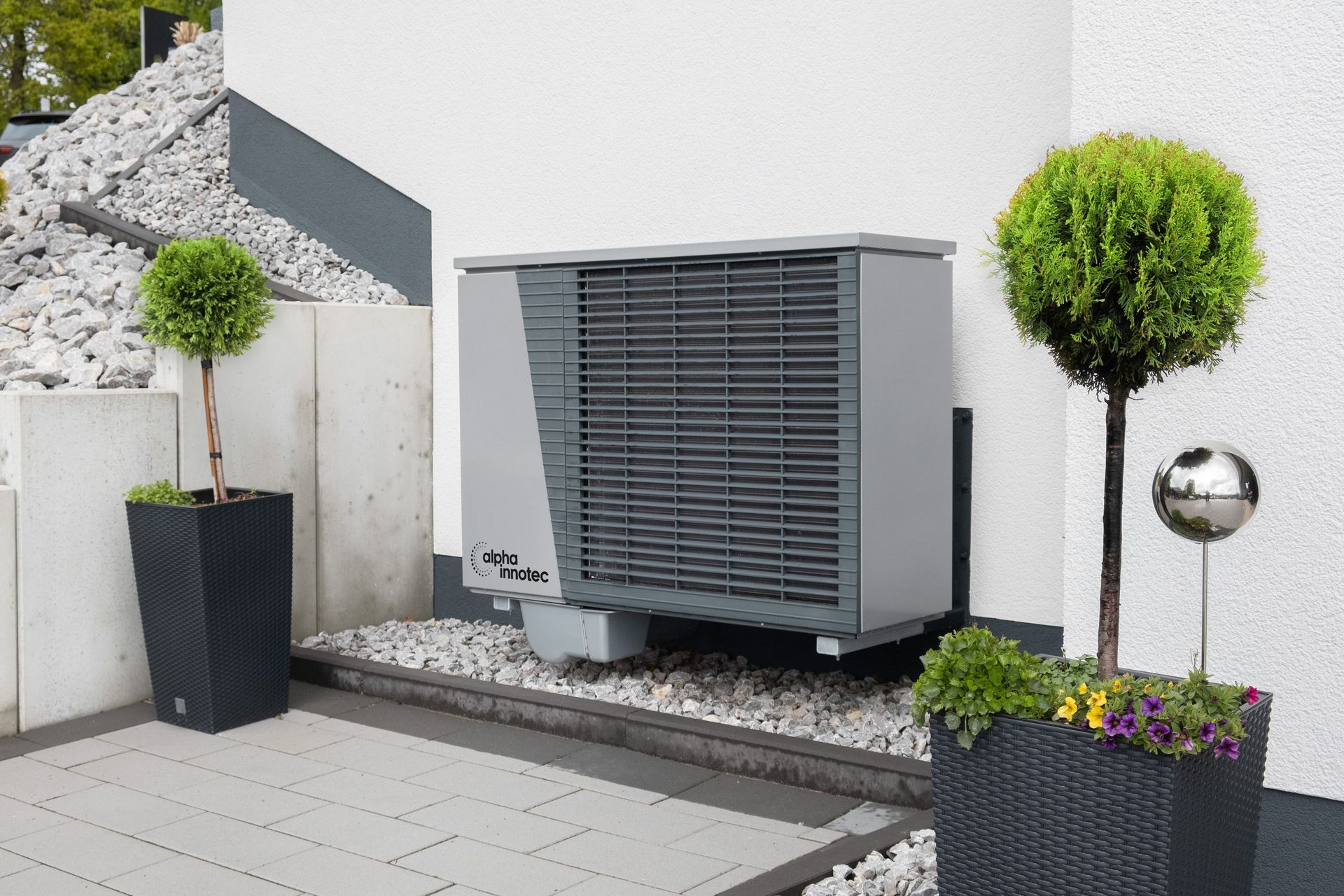
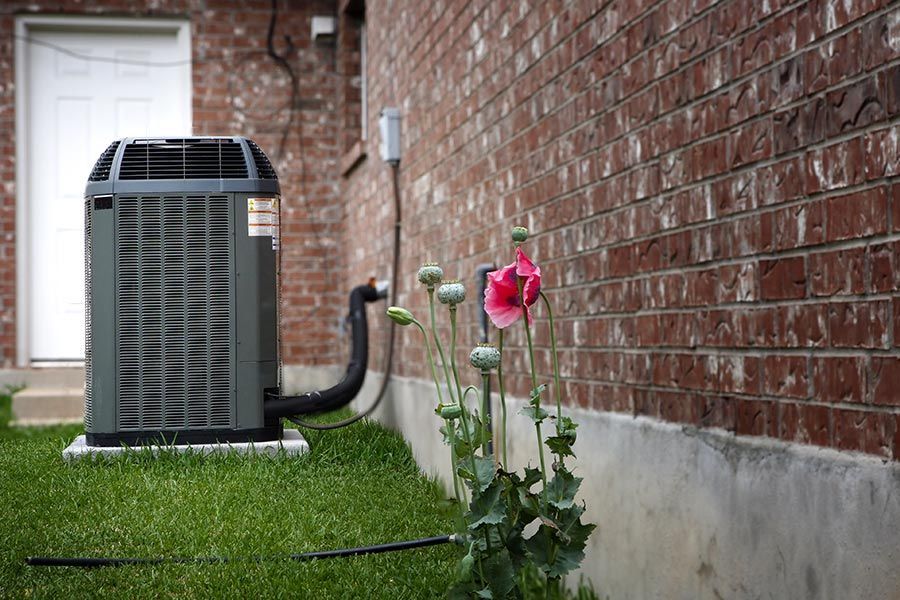
Clearing debris around your heat pump is vital for maintaining efficient airflow and preventing system blockages that can hinder performance. Start by inspecting the area surrounding your unit. Remove leaves, sticks, and any other obstructions that may accumulate. Make sure there’s at least a two-foot clearance on all sides. This allows proper air circulation, which is essential for peak efficiency. Check the unit’s top; overhanging branches can drop debris, so trim them regularly. Pay attention to the ground; a clean surface prevents critters from nesting nearby. Inspect the outdoor coil for dirt and grime, and gently clean it with a garden hose if necessary. Regularly clearing debris benefits your system and those relying on its consistent performance.
Ensure Proper Thermostat Settings
Maintaining efficient airflow is just one aspect; optimizing your heat pump’s performance also requires attention to proper thermostat settings. Start by setting the thermostat to the recommended temperature for your home. This prevents the system from overworking, guaranteeing efficient operation. Make sure to:
- Use Programmable Settings: Schedule temperature changes according to your daily routine to avoid unnecessary heating or cooling.
- Avoid Frequent Adjustments: Changing the temperature setting can increase energy consumption and wear on the system.
- Check Compatibility: Ensure your thermostat is compatible with your heat pump model to prevent performance issues.
Proper thermostat settings help your heat pump run efficiently, providing comfort for those you serve. Attention to these details and your system will operate smoothly throughout the year.
Lubricate Moving Parts
To keep your heat pump running smoothly, regularly lubricate its moving parts to reduce friction and prevent wear. Start by turning off the power to guarantee safety. Locate the fan motor and bearings, as these are common areas requiring lubrication. Use a high-quality, non-detergent oil specifically designed for electric motors. Apply a few drops directly to the oil ports or bearings; don’t overdo it, as excess oil can attract dust and dirt. Regular lubrication maintains efficiency, prolongs the life of your system, and ultimately serves others by guaranteeing reliable operation throughout the year. Make it a habit to inspect these parts every six months. By doing so, you’re contributing to a more efficient and dependable heat pump system.
Test Electrical Connections
After lubricating the moving parts, ensure your heat pump’s reliability by examining and testing all electrical connections for signs of wear, corrosion, or loose fittings. This step is essential in preventing unexpected outages and ensuring peak performance. When checking connections, use a multimeter to verify the voltage and current flow, ensuring they meet the manufacturer’s specifications. Pay special attention to:
- Loose Wires: Tighten any loose connections to prevent arcing and potential hazards.
- Corrosion: Clean corroded terminals using a contact cleaner to maintain efficient electrical flow.
- Damaged Insulation: Inspect for worn or frayed insulation that could lead to short circuits.
Monitor System Performance
Regularly monitor your heat pump’s system performance to ensure it operates efficiently and identify potential issues early. Begin by checking the thermostat settings. Confirm they’re accurate and aligned with your comfort needs. Inspect the airflow from vents; insufficient airflow may indicate a blockage. Examine the outdoor unit for debris or obstructions that could hinder performance. Pay attention to energy bills—significant increases might signal inefficiencies. Record the system’s cycling patterns; frequent cycling can stress components. Use a digital thermometer to measure output temperatures against expected levels. If discrepancies arise, they may need professional attention. Regular monitoring allows you to serve others by maintaining a comfortable environment, preventing unexpected breakdowns, and extending the lifespan of your heat pump.
Address Unusual Noises Promptly
Have you ever noticed strange noises coming from your heat pump? Addressing these sounds promptly is essential to prevent potential damage and promote efficient operation. Unusual noises can indicate issues like loose components, debris obstruction, or failing parts, which could impact your system’s performance. By taking action, you guarantee the comfort and safety of those you serve.
Here’s what you should do:
- Inspect components: Check for loose screws, panels, or parts that may cause rattling or banging.
- Clean the area: Remove debris or dirt around the unit to prevent obstruction and further noise.
- Consult a professional: If the noise persists, contact a qualified technician to diagnose and fix the problem effectively.
Maintaining your heat pump guarantees reliability and longevity.
Conclusion
Remember that consistent care is crucial to keep your heat pump humming like a well-tuned symphony. With regular inspections, timely filter changes, and routine cleaning, you’re not just maintaining a machine but nurturing an investment. Always check refrigerant levels, clear debris, and check for odd noises. Your attention to these details guarantees efficient performance, extends the system’s life, and saves on energy costs. A stitch in time truly saves nine in heat pump maintenance.
Frequently Asked Questions
How Can I Improve My Heat Pump’s Energy Efficiency During Extreme Weather?
To enhance your heat pump’s energy efficiency during extreme weather, regularly clean filters and coils, guarantee proper insulation, check thermostat settings, and schedule professional inspections. Prioritize efficiency to provide comfort for others in challenging conditions.
What are the signs that my heat pump is nearing the end of its lifespan?
Imagine your heat pump as an aging athlete; it’s slower and struggles during peak performance. If it’s over 15 years old, frequently cycles, or heats unevenly, it’s likely signaling retirement. Consider upgrading to serve efficiently.
Can I Use Smart Home Devices to Optimize My Heat Pump’s Performance?
You can use smart home devices to optimize your heat pump’s performance. Integrate smart thermostats, sensors, and apps to manage temperature efficiently, reduce energy consumption, and provide comfort, enhancing your ability to serve others effectively.
How Does Landscaping Affect the Efficiency of My Heat Pump?
Imagine your heat pump as a marathon runner; shrubs and trees are the supportive crowd. Proper landscaping shields it from harsh winds, enhances airflow, and keeps debris at bay, ensuring peak performance while serving your home’s comfort needs.
Are There Specific Maintenance Tips for Heat Pumps in Older Homes?
To enhance heat pump efficiency in older homes, check for proper insulation and seal leaks. Also, regularly clean filters and coils and schedule professional inspections to guarantee your system meets the unique needs of aging structures.
You might also like
Inland Empire Comfort