AC Unit in Riverside, CA | Complete Buying Guide
Inland Empire Comfort
April 5, 2026
How Often Should You Service Your Air Conditioner

When selecting the best AC unit in Riverside, CA, it's essential to consider the type that best meets your needs, such as central air systems, ductless mini-splits, or window units. Evaluate your space size, budget, and installation requirements while focusing on energy efficiency ratings like SEER and EER. Additionally, remember the importance of installation and maintenance to ensure your unit operates effectively. By taking these factors into account, you can make a well-informed choice that enhances your comfort and saves you money. More helpful information is available to assist you in your decision-making process.

Understanding the Different Types of AC Units

When you're choosing an air conditioning unit, it's vital to understand the different types available to find the best fit for your home.

Central air conditioning systems are popular for their efficiency in cooling large spaces, using ductwork to distribute cool air throughout your home.

If you're looking for something more flexible, ductless mini-split systems are great options, allowing you to cool specific rooms without extensive installation.

Window units are ideal for smaller spaces or apartments, as they're easy to install and budget-friendly.

Portable air conditioners offer mobility, enabling you to move them from room to room as needed.

Finally, geothermal systems utilize the earth's natural temperature to provide efficient cooling.

Each type has its advantages, so consider your space, budget, and cooling needs before making a decision. Additionally, expert technicians ensure optimal placement for efficient air-flow during installation, which can enhance overall system performance.

Inland Empire Comfort can help you understand these options and choose the one that best improves your comfort at home.

Factors to Consider When Choosing an AC Unit

Choosing the right AC unit involves several key factors that can significantly impact your comfort and energy efficiency.

First, consider the size of your space. An AC unit that's too small won't cool effectively, while one that's too large will cycle on and off frequently, wasting energy.

Next, think about your budget. It's essential to balance the initial cost with long-term savings from energy-efficient models.

Installation requirements are also important; some units may need specific ductwork or clearance.

Furthermore, consider the climate in Riverside, CA. A unit with a higher cooling capacity might be necessary during those hot summer months.

Lastly, pay attention to noise levels – a quieter unit can enhance your home environment. Additionally, it's beneficial to seek assistance from professionals who can provide guidance on air conditioner servicing to ensure optimal performance and longevity of your unit.

By weighing these factors carefully, you can ensure you choose an AC unit that meets your needs and enhances your comfort all season long.

For guidance and assistance, Inland Empire Comfort is always here to help.

Energy Efficiency Ratings and What They Mean

How can you ensure your new AC unit not only keeps you cool but also helps you save on energy bills? The answer lies in understanding energy efficiency ratings.

These ratings indicate how effectively an AC unit converts electricity into cooling power, empowering you to make an informed choice.

Here are some important ratings to consider:

  • SEER (Seasonal Energy Efficiency Ratio): A higher SEER rating signifies better efficiency and lower energy costs.
  • EER (Energy Efficiency Ratio): This measures efficiency at a specific temperature and is useful for understanding performance in extreme heat.
  • ENERGY STAR® Certification: Units with this label meet strict efficiency guidelines established by the EPA.
  • HSPF (Heating Season Performance Factor): For heat pumps, a higher HSPF indicates superior energy efficiency in heating mode.

By focusing on these ratings, you can select an AC unit that not only cools your space effectively but also contributes to reduced energy expenses. Additionally, understanding the importance of regular home AC repair can ensure your unit continues to operate at peak efficiency.

For more guidance and options, consider reaching out to Inland Empire Comfort.

Installation and Maintenance Considerations

Understanding energy efficiency ratings is just the beginning; the installation and maintenance of your new AC unit play a significant role in its overall performance and longevity. Proper installation guarantees that your system operates efficiently, minimizing energy costs and enhancing cooling comfort.

That's why hiring professionals is a smart choice. They'll ensure your unit is installed correctly, avoiding common pitfalls that can lead to costly repairs.

Once your unit is in place, regular maintenance is essential. Schedule annual check-ups to clean filters, check refrigerant levels, and inspect the system for wear and tear. Regular maintenance can help reduce repair costs and enhance the longevity of your unit.

This proactive approach not only extends your unit's lifespan but also keeps it running at peak efficiency. It's important to monitor your unit's performance; if you notice any unusual sounds or reduced cooling, it's time to seek expert help.

Taking these steps will keep your home cool and comfortable for years to come.

Budgeting for Your New AC Unit

Budgeting for a new AC unit can feel overwhelming, but it doesn't have to be. By breaking down the costs and planning ahead, you can guarantee you get the best value for your investment with Inland Empire Comfort.

Start by considering all expenses associated with your new system, not just the unit's price.

Here are some key budgeting tips:

  • Research your options: Compare different brands and models available through Inland Empire Comfort to find one that fits your needs and budget.
  • Factor in installation costs: Obtain quotes from professionals at Inland Empire Comfort for installation to avoid surprises.
  • Consider long-term savings: Energy-efficient units may have a higher upfront cost, but they save you money on energy bills over time, so look into options offered by Inland Empire Comfort.
  • Plan for maintenance: Set aside funds for routine maintenance services provided by Inland Empire Comfort to keep your AC running efficiently.
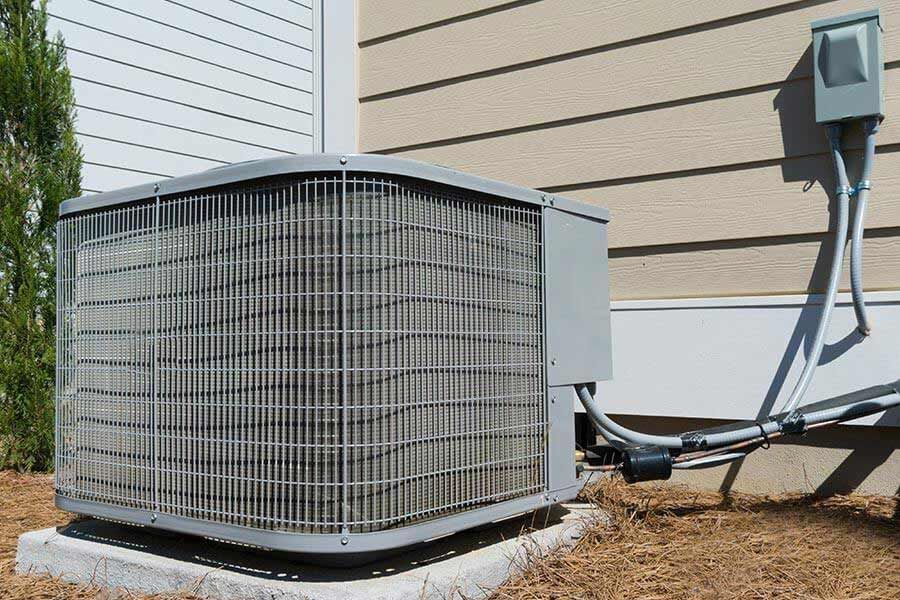
Fix Refrigerant Leaks for Good With Air Conditioning Repair

Conclusion

Choosing the right AC unit can feel like searching for the Holy Grail, but it doesn't have to be that intimidating! With the right knowledge, you can create a blissfully cool oasis in your home—no more sweating like a popsicle in the sun! By considering factors like energy efficiency and proper sizing, you'll be well on your way to enjoying a perfectly chilled paradise. With expert assistance from local professionals, you can confidently make that leap and welcome your newfound comfort!

You might also like

Inland Empire Comfort

By SEOCH • November 11, 2026
Choosing between a furnace and a heat pump is one of the more consequential decisions a Riverside homeowner will make about their home's comfort system, and the right answer depends heavily on the property's specific characteristics and the local climate. Riverside's mild winters shift the calculation in ways that don't always apply to homes in colder parts of the country, which is part of why a one-size-fits-all recommendation rarely serves homeowners well. Our heating installation services team in Riverside, CA , walks homeowners through this decision regularly, weighing climate, home layout, and long-term costs before recommending either system. Understanding Your Heating Needs in Riverside, CA Selecting the right heating system starts with an honest look at the home itself and the climate it needs to perform in. Riverside generally experiences mild winters, but chilly nights along the valley floor still call for a heating system that responds reliably when temperatures drop. Home size plays a significant role in this decision. A larger property typically requires a more powerful system to maintain even heating throughout, while a smaller home may perform well with a more modest unit. Energy efficiency goals matter just as much, since the choice between a furnace and a heat pump directly affects long-term operating costs. Budget considerations round out the picture, and finding a system that fits financially without compromising on quality or reliability is achievable with the right guidance. Maintenance requirements also deserve consideration, since a system that is straightforward to service tends to cause fewer headaches over its lifespan. Routine furnace maintenance helps prevent larger repairs regardless of which system a homeowner ultimately chooses. Key Differences Between Furnaces and Heat Pumps Furnaces generate heat by burning fuel, typically natural gas or propane, and distribute that warmth through ductwork. This combustion-based approach makes them effective in genuinely cold climates, where quickly raising the indoor temperature is a priority. Heat pumps operate on a fundamentally different principle. Rather than generating heat, they transfer it from the outside air or ground into the home, even in cooler temperatures, and they reverse that process to provide cooling during warmer months. This dual functionality makes heat pumps versatile year-round in a way furnaces simply are not. While heat pumps can lose some efficiency in extreme cold, they generally use less energy overall since moving heat requires less energy than generating it through combustion. Our heat pump services in Riverside, CA cover both installation and ongoing maintenance for homeowners who choose this option. Regular heating system maintenance checks can help lower overall repair costs and ensure that whichever system is chosen operates efficiently and reliably over time. Energy Efficiency: Which System Saves More? Determining which system saves more money comes down to comparing energy consumption against heating output. Heat pumps typically use less energy because they transfer existing heat rather than produce it from scratch, and they can deliver up to 3 times as much heating energy as the electricity they consume. Furnaces, by contrast, burn fuel directly, which can lead to higher utility bills, particularly during colder stretches. Seasonal Energy Efficiency Ratio and Heating Seasonal Performance Factor ratings offer a useful way to compare specific units side by side, with higher ratings indicating better overall efficiency. While furnaces perform reliably in genuinely cold climates, heat pumps tend to be more efficient overall in milder regions like Riverside, where extreme cold is rare, and the system rarely needs to operate at its performance limits. Installation and Maintenance Considerations Energy efficiency is only part of the equation. Installation and maintenance factors carry real weight in determining long-term performance and reliability. Home layout and existing ductwork play a significant role in installation planning, since proper installation directly affects airflow, efficiency, and the system's ability to heat the home evenly. Ongoing maintenance matters just as much as the initial installation. Routine inspections and cleaning help prevent breakdowns and extend the system's usable lifespan, and routine maintenance can prevent smaller issues from developing into costly repairs down the line. Many manufacturer warranties also require documented maintenance to remain valid, making a consistent service schedule a practical necessity rather than an optional extra. Working with a qualified contractor for installation provides confidence that the system is set up correctly from day one, with proper ongoing support available whenever it's needed. Making the Right Choice for Your Home Comfort Choosing between a furnace and a heat pump ultimately comes down to weighing a handful of interconnected factors against the specifics of the home and the household's priorities. Energy efficiency: How much energy will each system consume, and how does that translate into monthly utility costs? Installation costs: What is the upfront investment required, and does it fit comfortably within the home's renovation or replacement budget? Long-term comfort: Which option provides the most consistent heating throughout the home, given its size, layout, and existing infrastructure? Weighing these factors carefully, ideally with input from an experienced technician familiar with the local climate, leads to a decision that holds up well over the system's full service life.
By SEOCH • November 11, 2026
Commercial properties in Perris face a different set of demands than residential homes when temperatures start to drop. A retail storefront, office building, or warehouse space depends on its heating system to keep employees comfortable. Customers coming through the door and an unexpected breakdown during business hours impose costs that go well beyond the repair bill itself. Preparing commercial HVAC systems before cooler weather sets in is one of the more practical investments a business owner can make heading into the season. Our professional HVAC services in Perris, CA , utilize a proactive maintenance approach to ensure local businesses operate reliably throughout the colder months. Why Preparing Your HVAC System for Cool Weather Matters As temperatures begin to drop, the importance of preparing a commercial HVAC system for the months ahead is easy to overlook amid the daily demands of running a business. Proper preparation keeps the system running efficiently, maintaining a comfortable environment for employees and customers without the kind of energy spikes that come from a struggling unit. Getting ahead of potential issues now avoids the far more disruptive scenario of an unexpected breakdown once the system is already carrying a full heating load. A well-maintained commercial system also supports better indoor air quality, which becomes especially relevant during flu season when a steady flow of people moves through a shared space. Routine heating maintenance keeps heating units operating both efficiently and safely, and investing a little time now consistently pays off with fewer disruptions once the season is in full swing. Key Maintenance Tasks for Commercial HVAC Systems Getting a commercial HVAC system ready for cooler weather involves a specific set of maintenance tasks, particularly important for spaces that serve a steady flow of customers and employees throughout the day. Replacing or cleaning air filters is the starting point, since clogged filters restrict airflow, forcing the system to work harder, driving up energy bills, and increasing the risk of a breakdown. Inspecting ductwork for leaks and sealing any found helps maintain consistent temperatures throughout the space, rather than losing conditioned air before it reaches the areas that need it. Verifying thermostat settings and functionality ensures the system responds accurately to programmed schedules, which is especially important in commercial spaces with variable occupancy throughout the day. Clearing debris from outdoor units rounds out the essential tasks, since blocked airflow at the unit itself undermines the efficiency of everything else. Scheduling a professional tune-up before the season begins allows a technician to identify underlying issues early, before they affect daily operations. Signs Your HVAC System Needs Professional Attention Certain warning signs indicate a commercial HVAC system needs professional evaluation rather than routine upkeep alone. Inconsistent temperatures throughout the space often suggest an underlying distribution or equipment issue. Unusual noises such as grinding, squeaking, or hissing indicate mechanical problems that tend to worsen without intervention, and strange odors, particularly anything resembling burning or mustiness, warrant an immediate professional inspection rather than a wait-and-see approach. A rise in energy bills without a clear explanation frequently indicates the system is working harder than it should to deliver the same output. Frequent cycling, where the unit turns on and off more often than expected, can also signal a developing malfunction. Routine maintenance helps catch these issues while they are still manageable, well before they escalate into disruptions to business operations. Energy Efficiency Tips for Cooler Months A handful of straightforward steps improve energy efficiency in commercial spaces as temperatures drop. Regularly checking and replacing air filters keeps the system running smoothly without unnecessary strain. Sealing drafts around windows and doors, using weatherstripping or caulking where needed, helps retain conditioned air rather than letting it escape through gaps in the building envelope. Adjusting thermostat settings during off-hours or periods of lower occupancy can produce meaningful savings without affecting comfort during business hours. Ceiling fans set to run in reverse help circulate warm air more evenly throughout larger commercial spaces. A professional inspection before the season begins ties all of these measures together, confirming that the system is genuinely operating at peak efficiency rather than simply appearing to do so. Regular AC maintenance ensures every component of the unit is checked and functioning properly heading into the colder months. How Inland Empire Comfort Can Help You Prepare Preparing a commercial HVAC system for cooler weather does not need to be a burden on an already busy schedule. Our team specializes in personalized commercial services, tailoring solutions to the specific needs and budgets of each business we work with. We offer 24/7 emergency HVAC services, so a business is never left without heating or cooling due to an unexpected failure. Our licensed, bonded, and insured technicians bring expert craftsmanship using trusted brands like Bryant and Goodman, backed by a satisfaction guarantee on every repair, maintenance visit, or installation. We also maintain enhanced safety protocols to protect both our team and the businesses we serve.
By SEOCH • October 11, 2026
As cold weather approaches Riverside, recognizing the early warning signs of a struggling heating system can mean the difference between a routine repair and an emergency breakdown in the middle of January. Unusual noises, uneven temperatures, unexpected odors, and rising energy bills are all signals worth paying attention to well before the first real cold front settles over the valley. Our heating repair team in Riverside, CA , sees these warning signs every fall, and catching them early consistently saves homeowners from far more expensive repairs once winter is in full swing. Common Signs of Heating System Struggles A heating system rarely fails without warning. Unusual noises are often the first indicator that something is wrong. Banging, rattling, or squealing sounds during operation typically indicate loose components, worn parts, or airflow restrictions that warrant closer inspection. Inconsistent temperatures throughout the home are another common red flag. If some rooms stay comfortably warm while others feel noticeably cooler, the system may be struggling to distribute heat evenly, whether from ductwork issues, a failing blower, or an aging furnace that can no longer keep pace with the home's heating demand. A sudden spike in energy bills without a clear explanation often accompanies this kind of inefficiency, since a struggling system works harder to produce the same output. Unpleasant odors should never be dismissed, either. Strange smells, particularly those resembling burning or chemical odors, can indicate a serious mechanical or electrical issue. Frequent cycling, where the system turns on and off more often than it should, rounds out the list of common symptoms and often signals a developing malfunction. Routine furnace maintenance helps catch these issues while they are still minor and inexpensive to correct. How to Detect Uneven Heating in Your Home Uneven heating is worth investigating specifically, since it often points to a root cause that will only worsen over time. Noticeable temperature variations between rooms, where some areas feel markedly warmer or cooler than others, are usually the first sign that homeowners notice. Drafts are another indicator, particularly in areas where cold air seems to seep in around windows, doors, or wall penetrations, which can point to insulation gaps as much as heating system issues. Inconsistent thermostat readings that don't match what different rooms actually feel like suggest the system isn't distributing conditioned air evenly throughout the ductwork. Homeowners who find themselves constantly adjusting the thermostat just to reach a comfortable baseline temperature are often dealing with a system that has already lost some of its original efficiency. Why Is Your Heating System Making Strange Noises? Strange noises from a heating system are rarely random, and identifying the type of sound can help narrow down the underlying cause before a technician even arrives. A banging sound often points to loose components inside the unit, while rattling frequently indicates debris that has made its way into the system. A high-pitched whistle, on the other hand, typically signals an airflow restriction, often traced back to a clogged filter. Ignoring these sounds rarely resolves the underlying issue, and problems left unaddressed tend to compound over time rather than resolve on their own. Older systems will naturally run somewhat noisier as components wear, but persistent or worsening sounds are worth a professional evaluation. Regular heating maintenance catches many of these issues early, before a minor noise becomes a major repair. When to Consider Frequent Repairs Over Replacement At a certain point, ongoing repairs no longer represent the most cost-effective path forward, and replacement becomes the more sensible option. A heating system over 15 years old is generally approaching the end of its expected service life, and continuing to invest in repairs for an aging unit often costs more over time than a new installation would. A sudden increase in energy costs without a clear cause frequently signals declining efficiency that repairs alone cannot fully resolve. Homeowners calling for repairs multiple times in a single season are dealing with a reliability problem that a single fix is unlikely to solve permanently. Persistent hot and cold spots throughout the home can point to a system that is simply no longer capable of meeting the home's heating demand, regardless of how many individual repairs are made. Consulting with expert heating technicians provides an honest, informed perspective on whether replacement is the more practical choice. How to Prepare Your Heating System for Winter in Riverside, CA A few proactive steps in the fall go a long way toward avoiding heating problems once winter arrives. Checking and replacing air filters ensures proper airflow and system efficiency from the start of the season. A programmable thermostat, if not already in place, can help maintain comfortable temperatures while keeping energy costs in check. Scheduling a professional maintenance visit before the season's first cold snap allows a technician to catch potential issues while they are still minor and inexpensive to address. Inspecting ductwork for leaks and sealing any gaps improves overall heating efficiency, and testing the system before temperatures drop confirms everything is functioning correctly, well ahead of when it will be needed most.

Book a Service Today