7 Tips To Avoid Improper HVAC Installation

Inland Empire Comfort
January 28, 2022

An ideal heating and cooling system can significantly increase your family’s quality of life. It can improve the comfort of your home, energy efficiency, and cost-effectiveness. Overall, this leads to more productivity, more time spent in communal spaces, and better health.


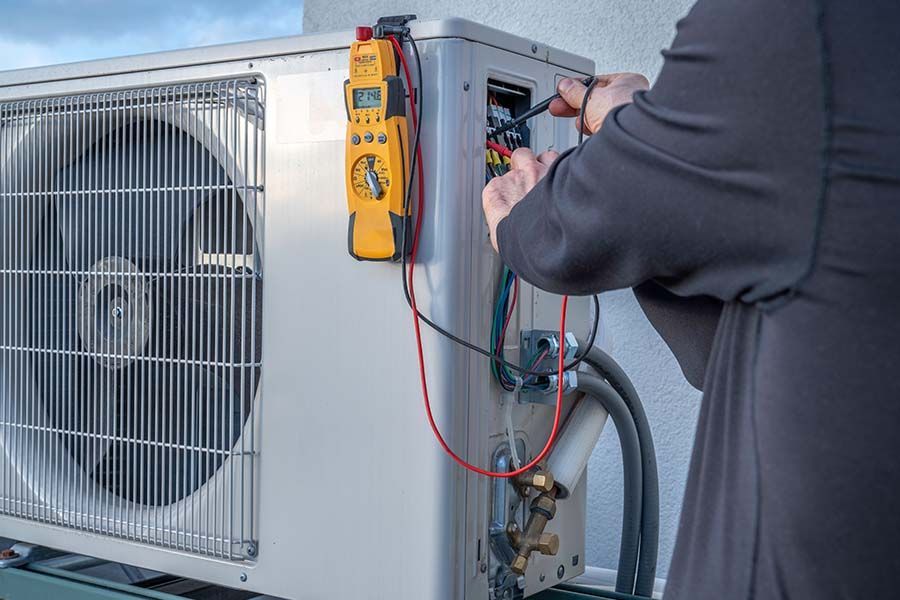
Half of having a sound HVAC system hinges on its proper installation. Improper HVAC installation can lead to significant problems like feeling uncomfortable in the home, paying more on energy bills, poor indoor air quality, the need for frequent repairs, and possibly even the replacement of a relatively new HVAC unit.


A foolproof way to avoid these issues is having your HVAC installed by trusted HVAC technicians. Getting a prompt and perfect installation done right the first time will save you tremendously on maintenance down the line.


This guide will provide you with the information necessary to ensure your installation goes smoothly. As a homeowner, it’s essential to familiarize yourself with the process so you can prevent an improper HVAC installation before it happens.


Don’t know who to call? Look no further than Comfort Air Conditioning & Heating, Riverside’s trusted AC installation company. We’ll set you up with a knowledgeable and experienced HVAC contractor who can perform a flawless installation.


1. Choose the Right System Size

If you ask the average homeowner, they will attest that a larger HVAC system will yield better results. Unfortunately, size does not always equate to better performance—an oversized HVAC could prove excessive for your home’s size.


An appropriate HVAC size depends on the projected load or how much work your HVAC needs to do to comfortably heat or cool your home. A good HVAC company will diagnose your home’s needs based on home size, regional temperatures, load calculations, ceiling height, house orientation, building materials, and other factors, recommending a system to you based on those metrics.


When installing a new HVAC, ask your contractor about these metrics and how they use them before beginning installation. A true professional can accurately assess these factors and make appropriate HVAC size recommendations.


2. Don’t Preserve the Old HVAC Ductwork

At first, you may think keeping old ductwork will save money on installation costs. While you may save a little up front, you run the risk of installing an HVAC system incompatible with the previous ductwork. In addition, your old ducts might be too small to allow sufficient airflow, and you could spend more money down the line on repairs or even replacing the ductwork entirely—as you should have initially.


Older ducts likely have mold, dirt, cracks, and other imperfections that render them less effective and potentially even dangerous to your family’s health. Even clean older ducts likely aren’t optimized for your new HVAC, causing you to spend more to heat your home efficiently. Getting new ductwork installed with your HVAC unit should eliminate all these problems.


Ask your contractor ahead of time if your old ducts will work for your new unit. Nine times out of ten, you will need new ductwork. Avoid contractors who try and set everything up with your old framework.


3. Avoid Improper Duct Installation Techniques

Don’t confuse design with installation. Even if your contractor has created cost-effective and efficient designs for the airflow in your home, they need to properly install everything for it to mean anything. Whether contractors cut corners to save time and money or lack experience, you need to keep them in check if they attempt improper HVAC installation.


Don’t let your contractor use tape to fill cracks. These short-term solutions often end up costing you tons on your monthly utility bill. Instead, rely on the experienced professionals at Comfort Air Conditioning & Heating when you need the installation done thoroughly.


4. Make Sure the Drainage System Checks Out

Every air conditioner accumulates moisture in response to condensation around its coils. Your contractor must ensure this water collects and drains effectively, or else the water may spill into other parts of the unit or your home. As a result, bacteria, mold, and mildew can grow, damaging your unit or even the walls and floors of your home.


5. Properly Place the HVAC System

Never install a new unit in the same place as your old unit by default. In many cases, homeowners’ HVACs were initially not installed in the correct location.


You want to place your unit in a place where it receives the least amount of sunlight to prevent overworking the system. Likewise, make sure your thermostat does not end up near the window or a heat or cooling source, as these will result in incorrect readings.


6. Create Clearance Space Around the Condenser

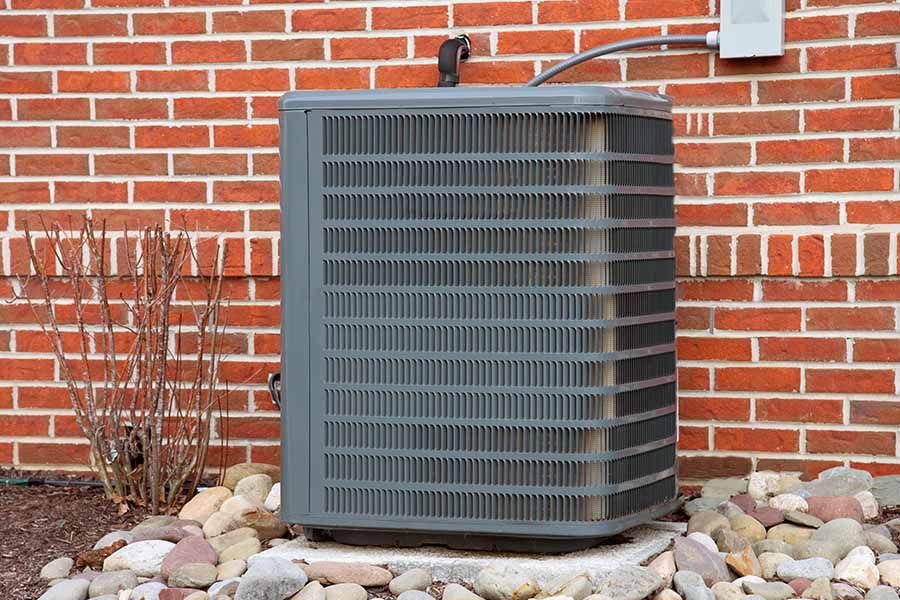
A good condenser needs space to work optimally. If your current unit rests in a crowded area, your previous contractor could have done a rushed job. We recommend having at least two feet of space around every side of your unit. This promotes high energy efficiency and excellent airflow.


7. Make Sure Your System Correctly Ventilates Toxic Gases

While no one likes to think about this kind of event, you need to make sure your HVAC vents toxic gases correctly in the circumstance that your house becomes contaminated. Your furnace can release hazardous gases like carbon monoxide. This only becomes an issue when your exhaust system is not up to par.


We recommend all clients use a carbon monoxide detector if their ventilation fails them. Carbon monoxide is an odorless gas, making it impossible for your family to know of the danger—without a sensor—before it’s too late. Ask your contractor about combustion safety as you begin the installation process to ensure they can handle this for your home.


Reach Out to Comfort Air Conditioning & Heating for All Your HVAC Needs

Ready to get HVAC installation done right the first time? Give Comfort Air Conditioning & Heating a call at (951) 336-1718 today to speak to one of our knowledgeable team members and avoid improper HVAC installation.


If you have any more questions about HVAC systems or want to learn where AC should be installed, take a look at the other articles on our site or give us a call.

You might also like

Inland Empire Comfort
By SEOCH July 27, 2026
Learn what causes frequent air conditioning repair issues in Riverside, CA homes and how to prevent recurring AC problems. Get expert tips from IE Comfort.
By SEOCH July 27, 2026
Regular air conditioning maintenance is one of the smartest investments a Rancho Cucamonga homeowner can make. With summer temperatures in the Inland Empire regularly climbing above 100 degrees and the dry heat placing sustained demand on residential cooling systems, the difference between a well-maintained unit and a neglected one becomes apparent quickly. From the neighborhoods near Victoria Gardens to the communities along Haven Avenue, we see the same pattern in our service calls: homes with consistent maintenance histories experience fewer breakdowns, lower energy costs, and longer equipment lifespans. If you are overdue for a service visit, our air conditioning maintenance services in Riverside can get your system back on track. 1. The Cost Savings of Regular Air Conditioning Maintenance One of the most compelling reasons to stay current on AC maintenance is the direct impact it has on household expenses. Routine service appointments allow a technician to identify and correct small issues before they develop into major failures that carry significantly higher repair costs. A minor refrigerant leak caught during a scheduled tune-up costs far less to address than a compressor failure caused by running the system low on refrigerant for an entire season. Beyond avoiding emergency repair bills, a well-maintained system operates more efficiently, which reduces monthly energy costs. At Inland Empire Comfort Heating and Air, we find consistently that homeowners who invest in annual maintenance spend less on their HVAC systems over time than those who call only when something goes wrong. 2. How Maintenance Improves Energy Efficiency An air conditioning system that has not been serviced recently has to work harder to deliver the same level of cooling it once provided with less effort. That additional workload translates directly into higher energy consumption and larger utility bills. Regular Filter Changes Clean filters allow air to move freely through the system without restriction. When filters become clogged with dust and debris, the system compensates by running longer and drawing more power. Replacing or cleaning filters regularly is one of the simplest and most cost-effective maintenance tasks available to homeowners. System Calibration Benefits A properly calibrated thermostat communicates accurately with the air handler, ensuring the system responds to actual indoor conditions rather than incorrect readings. Calibration as part of routine maintenance keeps the system operating at peak efficiency and reduces unnecessary run time. Reduced Energy Consumption Maintenance addresses the full range of factors that affect energy use, including refrigerant levels, coil condition, and electrical component performance. A system operating within proper specifications consumes measurably less energy than one with deferred maintenance issues. In Rancho Cucamonga's climate, that difference shows up clearly on monthly utility statements. 3. Extending the Lifespan of Your AC Unit A residential air conditioning system is a significant investment, and consistent maintenance is the most reliable way to protect it over time. Units that receive regular professional service routinely last well over a decade, while neglected systems often fail prematurely due to accumulated wear that could have been prevented. Working in homes across Rancho Cucamonga, we see the difference that routine care makes in equipment longevity. Cleaning coils, verifying refrigerant levels, lubricating moving parts, and inspecting electrical connections each help reduce the stress the system operates under. Less stress means less wear, and less wear means a longer useful life before replacement becomes necessary. 4. Enhancing Indoor Air Quality Through Maintenance Temperature control is the most visible function of an air conditioning system, but its impact on indoor air quality is equally significant and often underappreciated. Every time the system cycles, it circulates air throughout the home, and the condition of that air depends heavily on the equipment's condition. Clean, regularly replaced filters remove dust, pollen, pet dander, and other airborne particles before they recirculate through the living space. Properly maintained ductwork and drain pans prevent the buildup of mold and biological contaminants that can trigger allergies and respiratory issues. For households in Rancho Cucamonga where allergy season is prolonged by the region's dry, windy conditions, maintaining the HVAC system is a direct contribution to household health. 5. Preventing Major Breakdowns With Routine Checks The most disruptive and expensive AC failures are rarely sudden events. In most cases, the conditions that lead to a breakdown develop over time and would have been detectable during a professional inspection. Routine maintenance exists precisely to catch these developing problems before they reach the point of failure. A small refrigerant leak identified during an annual tune-up can be repaired in a single visit. Left undetected, that same leak can eventually damage the compressor, turning a minor service item into a repair bill that may approach the cost of system replacement. Proactive maintenance is fundamentally about managing risk and keeping the cost of equipment ownership predictable. 6. Ensuring Consistent Comfort Year-Round Enhanced System Efficiency A system that receives regular maintenance delivers consistent performance throughout the cooling season. It reaches set temperatures more quickly, maintains them more reliably, and recovers faster after doors and windows are opened during the heat of the day. Extended Equipment Lifespan Consistent maintenance reduces wear on every component of the system, from the compressor and fan motors to electrical contactors and drain lines. Components that are cleaned, lubricated, and inspected regularly last longer and fail less often than those that are allowed to accumulate wear without intervention. Improved Indoor Air Quality Routine maintenance directly supports healthier indoor air by keeping filtration effective, controlling humidity levels, and ensuring the system is circulating clean, conditioned air throughout the home. In a region where outdoor air quality can vary significantly with wind and seasonal conditions, a well-maintained indoor system provides meaningful protection. 7. Maintaining Manufacturer Warranties With Regular Service Most air conditioning manufacturers require documented proof of regular professional maintenance as a condition of honoring warranty claims. Skipping annual service appointments does not just put the equipment at risk; it can also void the warranty coverage that would otherwise offset the cost of component failures. Keeping a consistent maintenance record with a licensed HVAC company ensures that warranty coverage remains intact and that any qualifying repair is handled in accordance with manufacturer requirements. Our team provides detailed service documentation after every visit, giving homeowners the records they need to support warranty claims if they arise. 8. The Role of Professional Technicians in Maintenance There is a meaningful difference between basic homeowner upkeep, such as changing filters and clearing debris from the outdoor unit, and the comprehensive evaluation a trained technician provides during a professional maintenance visit. A licensed technician conducts a thorough inspection of electrical components, refrigerant levels, coil condition, drainage, thermostat calibration, and system pressures. They identify wear patterns and developing issues that are not visible without proper diagnostic tools and technical knowledge. When repairs are needed, they are performed correctly and efficiently, minimizing downtime. This level of service is what separates a genuine maintenance program from a simple filter change. 9. Why Rancho Cucamonga's Climate Demands Regular AC Care Rancho Cucamonga's climate creates conditions that are genuinely demanding for residential cooling equipment. Summer temperatures frequently exceed 100 degrees, and the system must sustain extended run times to maintain comfortable indoor conditions. The dry heat accelerates dust accumulation in filters and coils, while seasonal Santa Ana winds can introduce debris into outdoor condenser units. These climate-specific factors make the case for regular maintenance even stronger here than in more temperate regions. A system that might perform adequately for several seasons without service in a milder climate will show the effects of deferred maintenance much more quickly under Rancho Cucamonga's conditions. Scheduling annual service before the summer season begins ensures the system is ready to handle the demands ahead. Our home air conditioning repair team is also available when issues arise between scheduled maintenance visits.
By SEOCH June 27, 2026
Discover 8 common AC repair problems in Riverside, CA homes and what causes them. IE Comfort shares practical tips to prevent breakdowns. Learn more.

Book a Service Today