Effective Ways To Improve Indoor Air Quality in Your Home With HVAC Systems
Homeowners have taken great interest in indoor air quality over recent years. As science learns more about the ways that pollution, allergens, and microorganisms affect respiratory and general health, advances in HVAC system technology have produced some outstanding results.
Inland Empire Comfort, the leader in indoor air quality services in Riverside, CA, delivers the following information that will help you learn more about how to improve indoor air quality through modern HVAC technology.
Understanding Indoor Air Quality in Riverside, CA
Riverside’s warm climate, combined with seasonal allergens and intermittently heavy air pollution, makes indoor air improvement a worthwhile project. Common indoor pollutants include:
- Dust and allergens. Pollen, pet dander, and dust mites can accumulate inside HVAC system components and ductwork before circulating through indoor living spaces.
- Mold and mildew. High humidity levels encourage mold growth.
- Chemical pollutants. Volatile organic compounds (VOCs) from cleaning supplies and furniture create safety hazards.
- Airborne microorganisms. Bacteria and viruses especially affect those with impaired immune systems.
- Smoke and odors. Wildfire smoke, cooking fumes, and tobacco smoke contribute to poor indoor air quality.
By implementing smart HVAC air quality tips, you can combat these pollutants and ensure your home’s air remains clean and fresh.
How To Improve Indoor Air Quality in Riverside, CA
Let’s delve into our leading recommendations for optimizing your HVAC system to produce and promote clean, fresh indoor air.
1. Schedule Regular HVAC System Maintenance for Cleaner Air
Make scheduling routine HVAC system maintenance a top priority. Over every season, dust, mold, and debris can accumulate inside your system. That reduces efficiency and circulates pollutants throughout your home.
Work with professional HVAC maintenance service technicians to enhance home air quality by:
- Replacing air filters frequently. A technician will install high-efficiency air filters, which you should check and change at least every 30 to 90 days between maintenance calls.
- Scheduling regular HVAC tune-ups. Every professional inspection helps to ensure optimal performance and airflow.
- Clean air ducts. Ask your HVAC system expert about periodic ductwork cleaning to eliminate dust and mold.
- Check for leaks and blockages. Your technician can help ensure your ductwork is in good shape and distributing air evenly and effectively.
2. Air Filtration Solutions: Choosing the Right Filters
High-quality air filtration solutions often make all the difference in reducing airborne pollutants in Riverside. All HVAC systems use filters to trap dust, allergens, and other harmful particles, but not all filters are the same.
Consider some of the available filter upgrade options:
- HEPA filters. These can capture up to 99.97% of airborne particles, including pollen, pet dander, and mold spores.
- Activated carbon filters. These are great for removing odors, smoke, and chemical pollutants.
- Electrostatic filters. With precisely applied static electricity, these attract and hold particles.
3. Air Purification Strategies: Removing Contaminants Effectively
Modern air purification strategies take cleansing to a higher level than even superior filtering systems.
Some of the modern air purification technologies include:
- UV-C light purifiers. These safely neutralize bacteria, viruses, and mold spores, preventing them from reproducing.
- Whole-house air purifiers. Installed directly into your HVAC system, these provide comprehensive purification.
- Portable air purifiers. These are perfect for targeting specific rooms where air quality is a top priority.
These systems are not substitutes for effective air filtering, but when used together, they can deliver significantly cleaner indoor air.
4. Proper Ventilation: Bringing in Fresh Air
Stagnant indoor air traps pollutants. Effective ventilation moves particles back through filters and purifiers to remove them from your living space while supporting superior HVAC system performance.
Some of the best ways to improve indoor ventilation include:
- Use exhaust fans. In bathrooms and kitchens, exhaust fans draw out excessive moisture and pollutants.
- Open windows strategically. Open windows when outdoor weather and air quality are good, and the increased airflow will remove particles and refresh your indoor space.
- Install energy recovery ventilators (ERVs). These actively exchange indoor air with fresh outdoor without affecting your desired indoor temperature.
5. Controlling Humidity Levels To Prevent Mold Growth
Excess humidity encourages mold and mildew growth. Conversely, overly dry air can lead to respiratory irritation. Knowing how to improve indoor air quality involves maintaining the right humidity level in every season.
The best methods for controlling humidity include:
- Use dehumidifiers in humid months. These help prevent mold growth while making indoor spaces feel more cool and crisp.
- Use humidifiers in dry months. These reduce skin irritation and respiratory difficulties, especially during cooler weather.
- Fix leaks promptly. Moisture buildup leads to mold problems and musty odors.
6. Duct Cleaning: Eliminating Hidden Pollutants
Dirty air ducts harbor dust, allergens, and mold. Professional air duct cleaning removes these problems and helps your system function better in all seasons.
Leading indications you need to check on duct cleaning include:
- Increased dust buildup on indoor surfaces, especially around vents
- Musty, stale odors coming from vents
- Increased allergy symptoms or respiratory problems while indoors
- Visible mold or debris inside or around ductwork
Make regular duct cleaning part of your HVAC system maintenance plan to maximize indoor air quality.
7. Smart Home Technology: Monitoring and Improving Air Quality
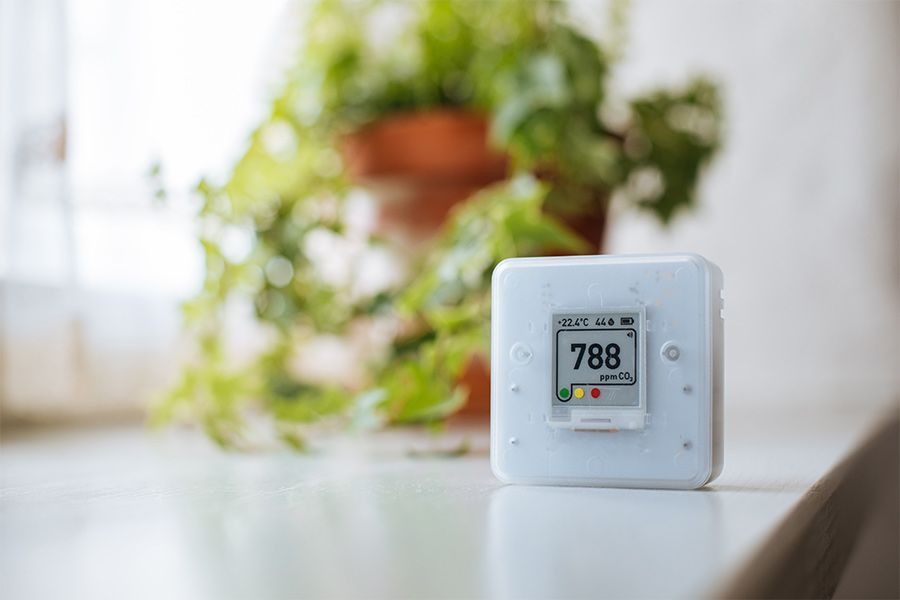
Modern smart home technology allows homeowners to monitor and adjust indoor air quality controls in real-time. Air quality monitors help track pollutants, and some adjust HVAC settings automatically according to your settings.
Smart solutions for indoor air quality include:
- Indoor air quality monitors. These detect pollutants like dust, VOCs, and carbon monoxide.
- Smart thermostats with indoor air quality features. Adjust settings based on air quality data.
- Automated ventilation systems. Ensure consistent fresh air exchange.
Contact Inland Empire Comfort To Breathe Easier With Improved Indoor Air Quality in Riverside, CA
Now that we've looked at how to improve indoor air quality in Riverside, check out our other posts for related informative posts on topics like properly changing HVAC filters.
Whether you need HVAC air quality tips, duct cleaning, or an upgraded air filtration system, our courteous experts are standing by to ensure your home remains a safe and comfortable haven from airborne hazards.
Contact Inland Empire Comfort today to learn more about how we can help you achieve cleaner, healthier air in your home!
You might also like
Inland Empire Comfort