What Should Humidity Be in House with Air Conditioning?

Inland Empire Comfort
September 30, 2022

Many homeowners consider their summers to be hot and humid. To combat these humid summers, homeowners run their air conditioning units full-blast. However, it's essential to ask, "What should humidity be in a house with air conditioning?"


Every home has an optimal humidity range that keeps homeowners feeling great in summer and winter. While we tend to think of humidity as being a bad thing, many positives do exist. 


For example, cranking up the heat during cold weather can cause humidity levels to dip considerably. Low humidity can leave you with itchy, rough skin and dry eyes. 


Knowing your home's optimal humidity level can help combat these issues. Contacting an expert air conditioner repair company in Claremont can also help! 


What Exactly Is Humidity? 

Knowing what humidity should be in a house with air conditioning starts with answering what humidity is. There are two ways to measure humidity levels: 


Relative Humidity (RH)

This type of humidity measures the total amount of water vapor inside your air compared to moisture at your current temperature. RH changes as temperatures change alongside indoor air. 


Absolute Humidity 

Absolute humidity measures the air's water vapor regardless of its temperature. Additionally, absolute humidity is the total amount of moisture outside a home. Moisture can enter a home from outside in various ways: 


  • Cracks in the walls and floors of a home's foundation and basement
  • Drafty windows 
  • Foundation, plumbing, or basement leakages 


A homeowner may fail to drain or remove this water appropriately. If so, the water can stay inside a home for long periods before becoming absorbed and transported through: 


  • Leaks triggering standing water
  • Materials like hardwood, furnishing, and floors absorbing vapors
  • Vaporous molecules transferring through a building material's pores


What Should a Home's Humidity Level Be?

Regardless of your home's current temperature, it must have the right humidity level. The answer to "What should humidity be in a house with air conditioning" is that humidity levels should fall between 30% and 50%. 


Humidity levels should increase when the temperature climbs and drop as temperatures begin to fall. Even with an air conditioner running full-blast, humidity levels shouldn't dip below 30%. 


How Can You Help Manage Your Humidity Levels? 

Unfortunately, when homeowners solely rely on their heating and air conditioning systems, they can quickly raise or lower humidity levels too much. Pairing your HVAC system with powerful humidifiers and dehumidifiers can help you maintain healthy air moisture levels. 


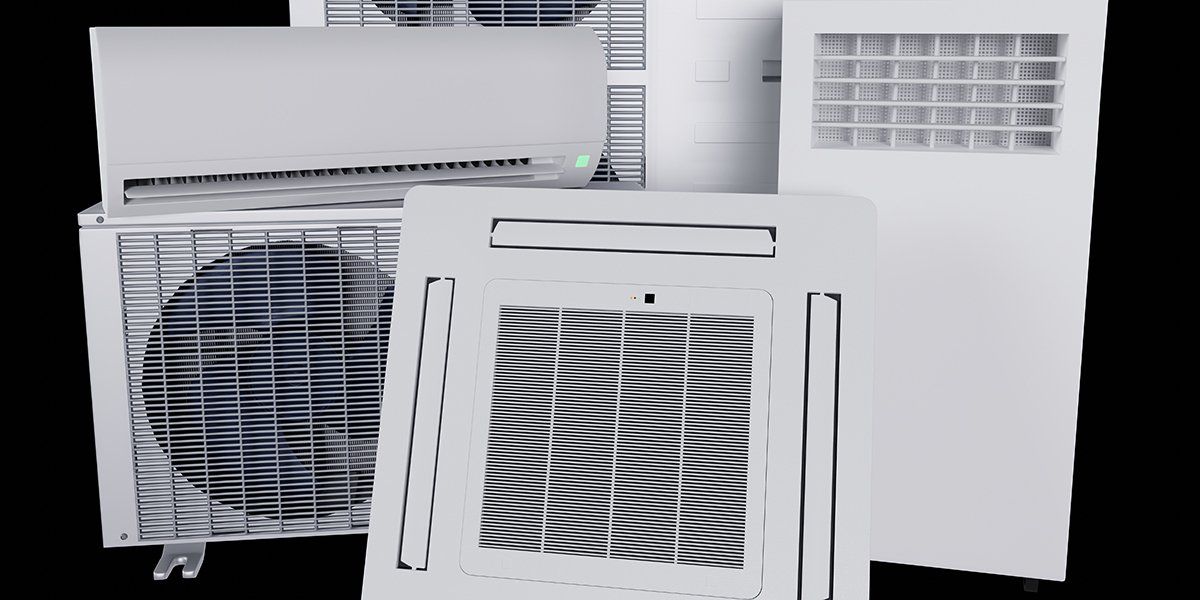
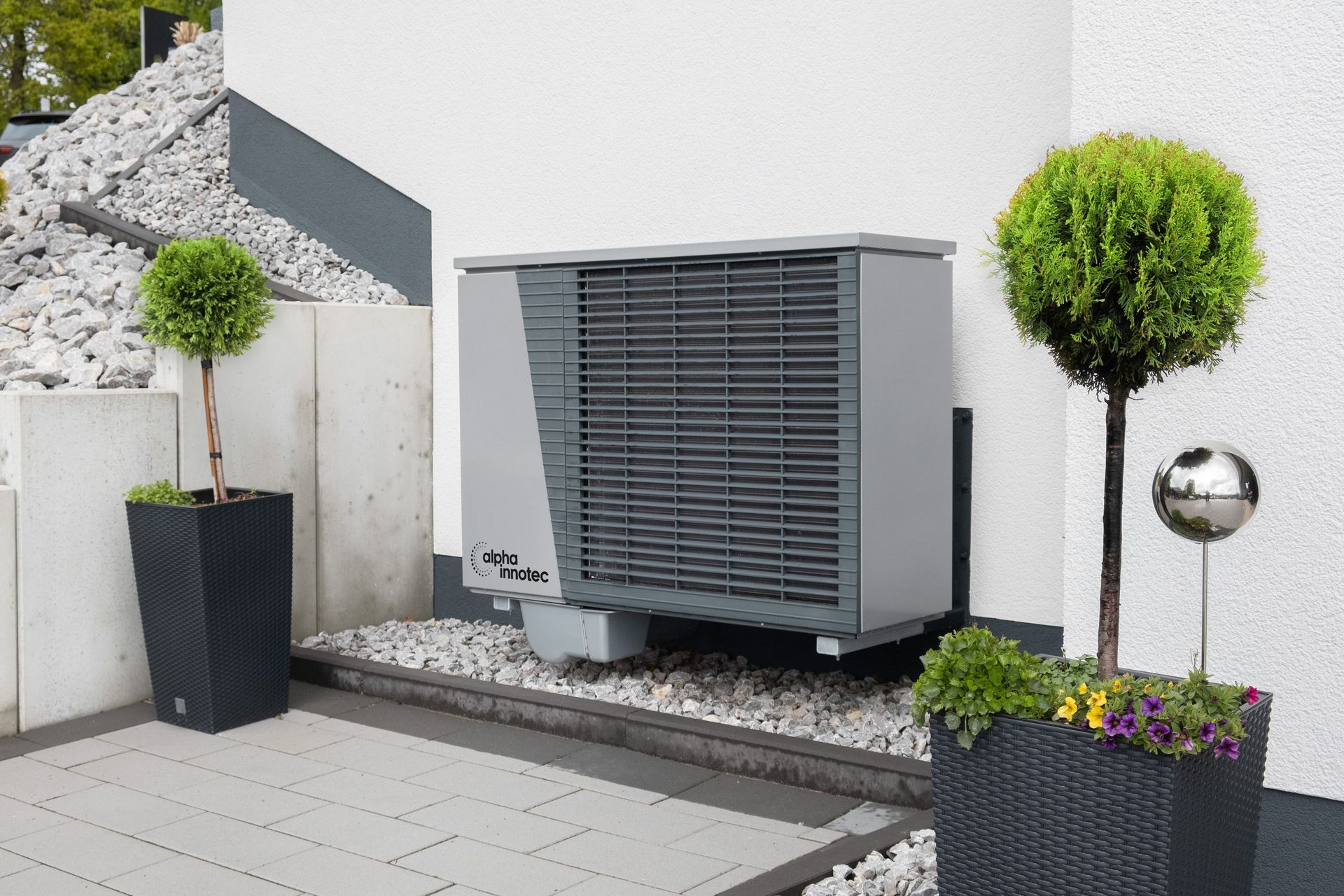
Another way to manage your humidity levels is to have the correct air conditioner. Many homeowners find success with mini-split systems. These air conditioners consist of indoor units and outdoor units, making controlling temperatures a breeze. 


These systems contain all the crucial parts of your traditional air conditioner, including an evaporator coil. However, these systems allow homeowners to choose the amount of heating or cooling sent to each room.


In addition, these systems have separate indoor and outdoor units, making them less noisy.


What Happens in High Humidity? 

High humidity results from having too much moisture inside a home. Besides generally feeling uncomfortable, high humidity can lead to the following issues: 


  • Mold or bacterial growth inside your home. 
  • A home can quickly generate a foul, mildew odor. 
  • High humidity can worsen breathing issues like allergies or asthma. 
  • Your humid house will feel muggy during the summer and clammy during the winter. A clammy home causes many homeowners to crank up the heat during winter when it's unnecessary. 


What Happens in Low Humidity? 

Low humidity can also be an issue for your home and may have these adverse effects: 


  • It impacts your home's structural integrity, including causing lumber to crack, 
  • Can quickly dry out and damage furniture and other belongings by shrinking wood.
  • It makes a home feel chillier than it is.
  • Dry air can dry out a person's nose, eyes, and lips, causing breathing issues and nosebleeds.


Call Inland Empire Comfort Today 

Having an optimal humidity level ensures you and your family remain comfortable. This process starts with partnering with the right HVAC team. At Inland Empire Comfort, we work with all systems, from common types to high-performing commercial units. 


Whether you're dealing with too high or too low humidity levels or want to upgrade your HVAC system, our team can help. We also offer 24/7 emergency services. So, let our team help answer, "What should humidity be in a house with air conditioning?"


Know more about our emergency air conditioning repair service by calling Inland Empire Comfort at (951) 336-1975

You might also like

Inland Empire Comfort
By SEOCH August 27, 2026
Discover 10 practical ways to improve furnace efficiency in Riverside, CA. IE Comfort AC shares energy-saving tips to help lower heating costs. Read more.
By SEOCH August 27, 2026
When an air conditioning system fails unexpectedly in Woodcrest, CA, the urgency is real. Summer temperatures in this part of Riverside County climb quickly, and a home without cooling can become uncomfortable and even unsafe within hours. The pressure of an emergency can make it tempting to hire the first available contractor, but that decision carries risks. Knowing what to look for before making that call helps homeowners in Woodcrest and the surrounding communities make a confident choice under pressure. Our emergency AC repair services are available around the clock and are built to meet every standard covered in this guide. 1. Verify Licenses and Certifications to Ensure Legitimacy Licensing is the first and most fundamental qualification to verify before allowing any contractor into your home. In California, HVAC contractors must hold a valid C-20 license issued by the Contractors' State License Board. This license confirms that the contractor has met the state's requirements for technical knowledge and professional conduct. Verifying a contractor's license number through the CSLB website takes only a few minutes and provides immediate confirmation of their standing. Certifications from organizations such as NATE and HVAC Excellence go beyond the licensing minimum and indicate that technicians have pursued additional technical training. These credentials demonstrate a commitment to staying current with evolving equipment and industry best practices. Inland Empire Comfort Heating and Air is fully licensed, bonded, and insured, and we are happy to provide documentation of our credentials before any service appointment. 2. Check for 24/7 Availability for Emergency Services A contractor who offers emergency services only during business hours is not a true emergency resource. Cooling system failures do not respect schedules, and a breakdown at 9 p.m. on a July evening in Woodcrest requires the same prompt professional response as one that occurs at noon on a weekday. When evaluating contractors for emergency work, confirm that their 24/7 availability is genuine rather than a marketing claim. Ask directly about response times and how calls are handled after hours. A contractor with real around-the-clock availability will be able to answer those questions clearly and specifically. The ability to reach a live person and receive a committed response time is what separates a contractor who takes emergency service seriously from one who simply advertises it. 3. Read Customer Reviews and Testimonials for Credibility Assess Online Ratings Customer reviews on platforms like Google provide a meaningful window into how a contractor actually performs under real service conditions. When reviewing ratings, look for consistent patterns across multiple reviews rather than focusing on individual outliers. Positive feedback that repeatedly mentions prompt response times, clear communication, and quality workmanship reflects reliable operational standards. Patterns in negative reviews are equally informative, particularly those that reference poor follow-through or billing disputes. Comparing ratings across multiple platforms gives a more complete picture than relying on a single source. Pay attention to how the company responds to criticism. A contractor who addresses concerns professionally and works toward resolution demonstrates accountability that matters when you are the one with the problem. Seek Personal Recommendations Personal referrals from neighbors, friends, or local community groups carry a different kind of credibility than anonymous online reviews. A recommendation from someone in Woodcrest who has firsthand experience with a contractor in similar local conditions provides context that star ratings alone cannot capture. Asking within neighborhood social media groups or community forums often surfaces consistent names that reflect a genuine local reputation. 4. Evaluate Experience With Your Specific AC System Type System Compatibility Assessment Not all HVAC technicians have equal experience with every system type. A contractor who works primarily on one brand of equipment may not be the right choice for a system with different design characteristics or failure patterns. Before hiring, confirm that the contractor has direct experience with your specific brand and model. Ask whether they have handled common issues associated with your system type and whether they have reliable access to the replacement parts your equipment requires. Manufacturer Certifications Verification Manufacturer certifications indicate that a technician has received training directly from the equipment manufacturer and understands how to service that system to original specifications. For homeowners with Bryant or Goodman equipment, for example, working with a contractor familiar with those brands means repairs are performed in a way that preserves system integrity and supports warranty coverage. In our service calls throughout Woodcrest and the broader Riverside area, brand familiarity consistently improves diagnostic accuracy and repair outcomes. 5. Inquire About Warranty and Satisfaction Guarantees A contractor who stands behind their work will offer clear warranty terms on both parts and labor. Before approving any repair, ask specifically how long the warranty lasts, what it covers, and how claims are handled if a problem recurs. Manufacturer warranties on replacement components should also be honored and communicated transparently. Satisfaction guarantees reflect a contractor's confidence in their own workmanship. A company that commits to making things right if a repair does not hold is demonstrating accountability rather than simply making a sales claim. Reviewing customer feedback specifically for mentions of how warranty situations were handled gives insight into whether a contractor's stated guarantees translate into real-world follow-through. 6. Assess Transparency in Pricing and Estimates Clear, upfront pricing is a baseline expectation for any reputable HVAC contractor. Before work begins, a qualified contractor should provide a written estimate that breaks down labor costs, parts, and any applicable service fees. Hidden charges that appear on a final invoice without prior disclosure are a consistent red flag in contractor feedback and a sign of a business practice that does not prioritize the customer relationship. Ask whether the contractor charges flat rates or hourly fees, and clarify how emergency or after-hours calls are priced. Understanding the pricing structure in advance removes ambiguity and enables meaningful comparisons between contractors. A contractor who is willing to answer these questions clearly and without evasion is demonstrating the kind of transparency that holds up throughout the service relationship. Our air conditioning repair services are priced with full disclosure and no surprise charges. 7. Confirm Insurance Coverage for Protection and Peace of Mind Liability insurance and workers' compensation coverage are not optional considerations. They are essential protections for the homeowner. Liability insurance covers damage to the property that occurs during the repair process. Workers' compensation covers injuries sustained by technicians while on the job, protecting the homeowner from potential legal liability. Always request proof of insurance documentation before work begins, and take a moment to review the policy limits to confirm the coverage is adequate. Understanding the contractor's claims process in advance, so you know exactly what to do if something goes wrong, is a reasonable precaution that any legitimate contractor will support.
By SEOCH July 27, 2026
Learn what causes frequent air conditioning repair issues in Riverside, CA homes and how to prevent recurring AC problems. Get expert tips from IE Comfort.

Book a Service Today